Home Upload Photo Upload Videos Write a Blog Analytics Messaging Streaming Create Adverts Creators Program
Bebuzee Afghanistan Bebuzee Albania Bebuzee Algeria Bebuzee Andorra Bebuzee Angola Bebuzee Antigua and Barbuda Bebuzee Argentina Bebuzee Armenia Bebuzee Australia Bebuzee Austria Bebuzee Azerbaijan Bebuzee Bahamas Bebuzee Bahrain Bebuzee Bangladesh Bebuzee Barbados Bebuzee Belarus Bebuzee Belgium Bebuzee Belize Bebuzee Benin Bebuzee Bhutan Bebuzee Bolivia Bebuzee Bosnia and Herzegovina Bebuzee Botswana Bebuzee Brazil Bebuzee Brunei Bebuzee Bulgaria Bebuzee Burkina Faso Bebuzee Burundi Bebuzee Cabo Verde Bebuzee Cambodia Bebuzee Cameroon Bebuzee Canada Bebuzee Central African Republic Bebuzee Chad Bebuzee Chile Bebuzee China Bebuzee Colombia Bebuzee Comoros Bebuzee Costa Rica Bebuzee Côte d'Ivoire Bebuzee Croatia Bebuzee Cuba Bebuzee Cyprus Bebuzee Czech Republic Bebuzee Democratic Republic of the Congo Bebuzee Denmark Bebuzee Djibouti Bebuzee Dominica Bebuzee Dominican Republic Bebuzee Ecuador Bebuzee Egypt Bebuzee El Salvador Bebuzee Equatorial Guinea Bebuzee Eritrea Bebuzee Estonia Bebuzee Eswatini Bebuzee Ethiopia Bebuzee Fiji Bebuzee Finland Bebuzee France Bebuzee Gabon Bebuzee Gambia Bebuzee Georgia Bebuzee Germany Bebuzee Ghana Bebuzee Greece Bebuzee Grenada Bebuzee Guatemala Bebuzee Guinea Bebuzee Guinea-Bissau Bebuzee Guyana Bebuzee Haiti Bebuzee Honduras Bebuzee Hong Kong Bebuzee Hungary Bebuzee Iceland Bebuzee India Bebuzee Indonesia Bebuzee Iran Bebuzee Iraq Bebuzee Ireland Bebuzee Israel Bebuzee Italy Bebuzee Jamaica Bebuzee Japan Bebuzee Jordan Bebuzee Kazakhstan Bebuzee Kenya Bebuzee Kiribati Bebuzee Kuwait Bebuzee Kyrgyzstan Bebuzee Laos Bebuzee Latvia Bebuzee Lebanon Bebuzee Lesotho Bebuzee Liberia Bebuzee Libya Bebuzee Liechtenstein Bebuzee Lithuania Bebuzee Luxembourg Bebuzee Madagascar Bebuzee Malawi Bebuzee Malaysia Bebuzee Maldives Bebuzee Mali Bebuzee Malta Bebuzee Marshall Islands Bebuzee Mauritania Bebuzee Mauritius Bebuzee Mexico Bebuzee Micronesia Bebuzee Moldova Bebuzee Monaco Bebuzee Mongolia Bebuzee Montenegro Bebuzee Morocco Bebuzee Mozambique Bebuzee Myanmar Bebuzee Namibia Bebuzee Nauru Bebuzee Nepal Bebuzee Netherlands Bebuzee New Zealand Bebuzee Nicaragua Bebuzee Niger Bebuzee Nigeria Bebuzee North Korea Bebuzee North Macedonia Bebuzee Norway Bebuzee Oman Bebuzee Pakistan Bebuzee Palau Bebuzee Panama Bebuzee Papua New Guinea Bebuzee Paraguay Bebuzee Peru Bebuzee Philippines Bebuzee Poland Bebuzee Portugal Bebuzee Qatar Bebuzee Republic of the Congo Bebuzee Romania Bebuzee Russia Bebuzee Rwanda Bebuzee Saint Kitts and Nevis Bebuzee Saint Lucia Bebuzee Saint Vincent and the Grenadines Bebuzee Samoa Bebuzee San Marino Bebuzee São Tomé and Príncipe Bebuzee Saudi Arabia Bebuzee Senegal Bebuzee Serbia Bebuzee Seychelles Bebuzee Sierra Leone Bebuzee Singapore Bebuzee Slovakia Bebuzee Slovenia Bebuzee Solomon Islands Bebuzee Somalia Bebuzee South Africa Bebuzee South Korea Bebuzee South Sudan Bebuzee Spain Bebuzee Sri Lanka Bebuzee Sudan Bebuzee Suriname Bebuzee Sweden Bebuzee Switzerland Bebuzee Syria Bebuzee Taiwan Bebuzee Tajikistan Bebuzee Tanzania Bebuzee Thailand Bebuzee Timor-Leste Bebuzee Togo Bebuzee Tonga Bebuzee Trinidad and Tobago Bebuzee Tunisia Bebuzee Turkey Bebuzee Turkmenistan Bebuzee Tuvalu Bebuzee Uganda Bebuzee Ukraine Bebuzee United Arab Emirates Bebuzee United Kingdom Bebuzee Uruguay Bebuzee Uzbekistan Bebuzee Vanuatu Bebuzee Venezuela Bebuzee Vietnam Bebuzee World Wide Bebuzee Yemen Bebuzee Zambia Bebuzee Zimbabwe
Blog Image

Greek Doctor George Papanicolaou Saved Countless Lives with Pap Smear

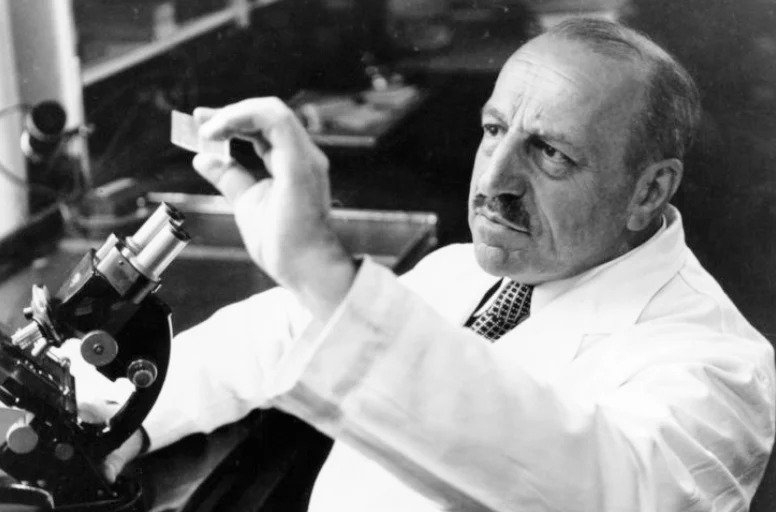
George Papanicolaou, the Greek doctor who invented the Pap smear in 1928, has saved the lives of countless women.

George Papanicolaou, the Greek doctor who invented the Pap smear in 1928, has saved the lives of countless women.

The Pap smear has become a cornerstone of early cancer detection, allowing physicians to detect signs of cervical cancer, the second most common cancer in women, and other illnesses at a treatable stage.

Routine Pap testing has prevented the suffering and death of millions of women worldwide.

Doctors generally recommend that women aged 21 to 65 receive a Pap smear every three years or more frequently if they receive an irregular result.

But the road to this important discovery was not an easy one, and Papanicolaou had to fight hard to establish himself and his work before it was accepted.

Papanicolaou was born in Kymi, Evia in 1883, the son of a doctor, but began his academic career in Athens studying music and the humanities rather than medicine.

Under his father’s influence, he moved into medicine, first as an army surgeon and then by treating people suffering for leprosy near his home town.

His inquiring mind drove him further into the sciences,, and in 1910 he graduated with a PhD in Zoology from the University of Munich.

Emigration to the US

After getting married and serving in the military medical corps again in the First Balkan War, Papanikolaou emigrated to the U.S. in 1913, setting out on the hard road previously trodden by many Greek immigrants.

Forced to rely on any work available in order to support himself, he labored as a salesman, a clerk, and even a violin player in a Greek restaurant before finally establishing himself at New York University’s Pathology Department and Cornell University Medical College’s Anatomy Department.

It was in 1928 that Papanicolaou developed a technique to take samples from the cervix and examine them under a microscope, a technique which is now known as the
Pap smear or Pap test.

Greek doctor Papanicolaou invents the Pap smear

The cellular changes caused by cancer were clearly visible using his technique, giving Papanicolaou “one of the greatest thrills [he had] ever experienced during [his] scientific career.”

However, due to resistance from the scientific establishment of the day, it was not until a 1943 paper written with gynecologist Herbert Traut was published that Papanicolaou’s findings gained wider acceptance.

His work later developed into the fully-fledged discipline of cytopathology which studies disease at a cellular level.

He was the recipient of numerous awards, including the Albert Lasker Award for Clinical Medical Research from the American Public Health Association in 1950 and the Medal of Honor from the American Cancer Society in 1952.

In his native Greece, Papanicolaou was similarly honored, appearing on the country’s banknotes for years before the adoption of the euro in 2002.

Research in Miami

After five decades of research in New York, Papanicolaou decided to relocate to Miami in 1961.

Papanicolaou was known as a serious and dedicated researcher who lived modestly, rarely took vacations, and regularly worked seven-day weeks. Read More...


Previous Post

First look at 'monster' black hole in Milky Way galaxy

Next Post

Scientists unveil first image of black hole at heart of our galaxy

Comments