Great Browning Spreads Through Forests Thought to be 'Invulnerable'
-
 Loading...
 - Alice Mosley
- 19 Jul 2024
- 67 Views
- 0 Like
- 0 Comment
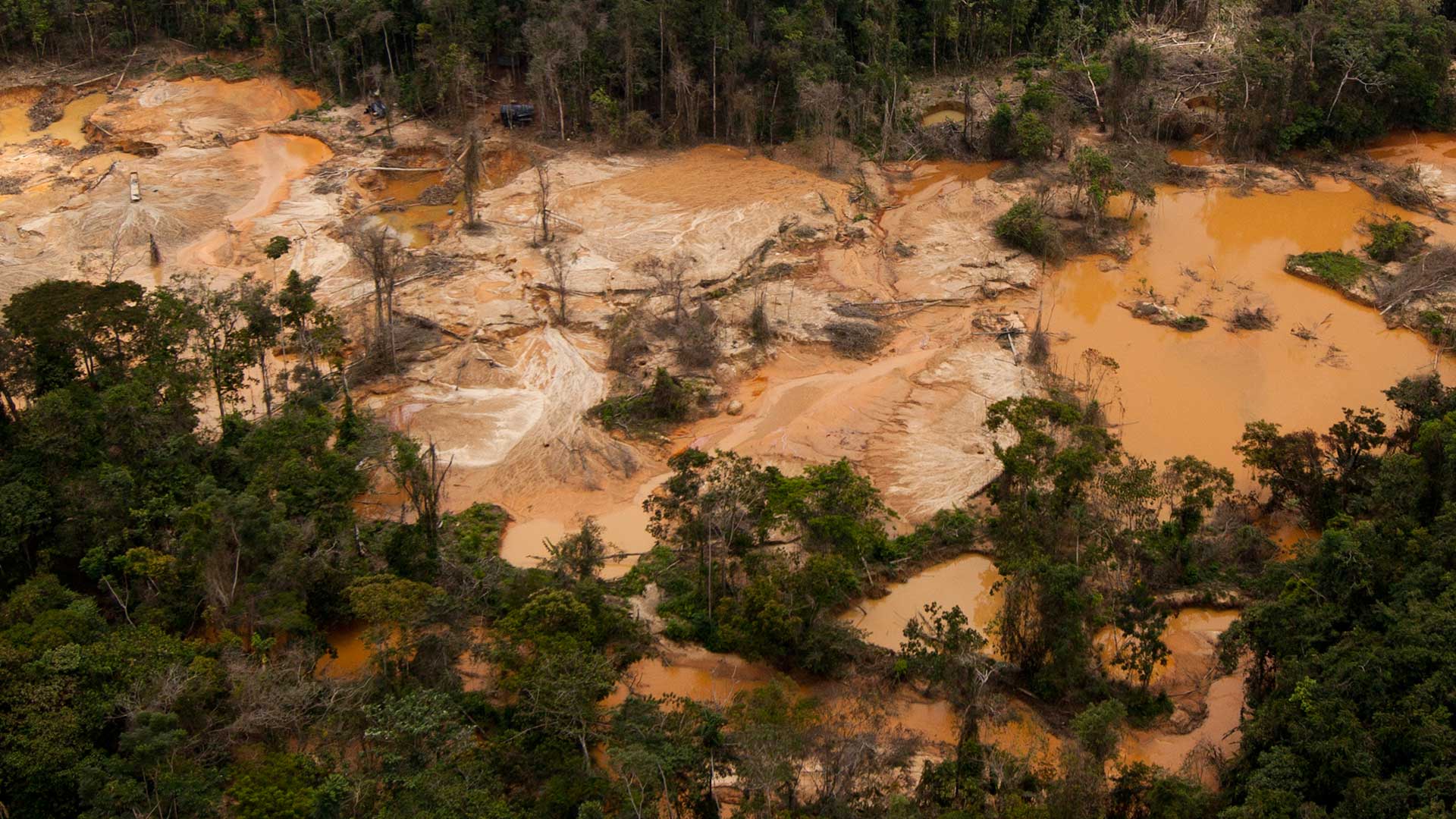
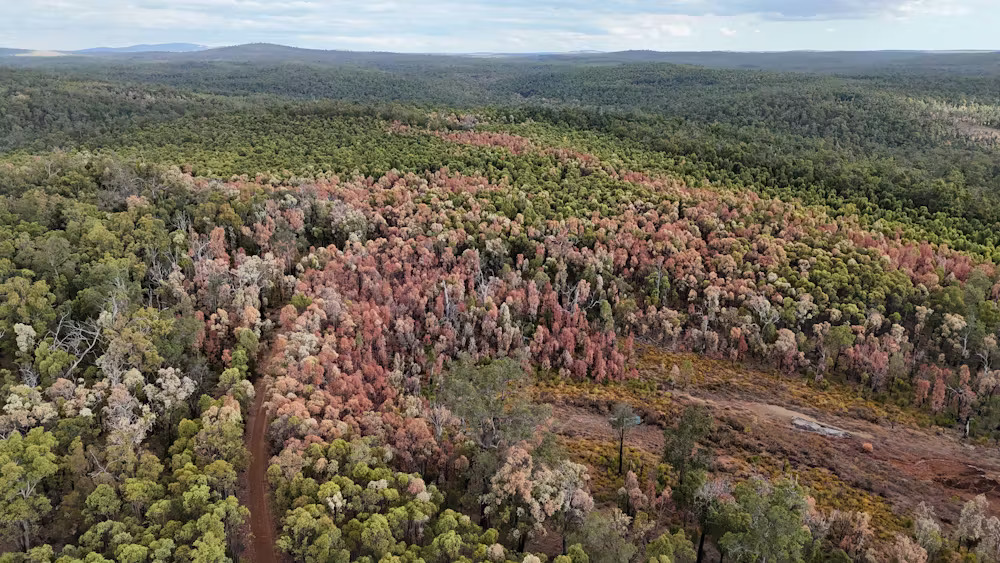
A concerning phenomenon known as the "great browning" is spreading across Australia's hills, causing widespread forest areas to lose their lush green hues due to unseasonably dry weather. This alarming trend is impacting tens of thousands of hectares of forest land, with significant implications for the environment.
Initial signs of trouble emerged from photographs depicting parched eucalyptus trees along Australia’s southwest coast. However, the issue has now expanded beyond this region, affecting areas across the Great Australian Bight. Notably, parts of Tasmania are now experiencing similar conditions, raising significant concerns among forestry experts.
Dr. Joe Fontaine, a forestry sciences expert at Murdoch University, expressed his worries about the situation, especially in Tasmania. "It’s been a dry autumn with warmer than normal temperatures. And these wet forests that people thought were invulnerable, are starting to turn brown," he told Yahoo News. The situation is particularly troubling as old trees are also showing signs of decline in South Australia, indicating that the phenomenon could potentially impact forests in three states.
The Department of Natural Resources and Environment Tasmania (NRE Tas) has acknowledged reports of tree dieback, particularly in the Huon Valley. "It appears that the recent reports of dieback are a result of dry weather conditions," the department stated. NRE Tas is currently collaborating with other land managers and organizations to better understand the extent of the dieback and explore possible actions.
Additionally, there have been reports from South Australia’s Barossa Valley indicating that trees there are also showing signs of ginger tree syndrome, further complicating the situation.
The "great browning" and associated tree dieback represent significant ecological concerns for Australia, affecting vast areas once considered resilient to such changes. As experts and authorities investigate and address the underlying causes, it remains crucial to monitor these developments closely to mitigate long-term impacts on Australia's forest ecosystems.