Germany's far-right AfD marks 10 years since its founding
-
 Loading...
 - Avril Moulin
- 09 Feb 2023
- 70 Views
- 0 Like
- 0 Comment
What started out as a euroskeptic party has turned into a hub for the disgruntled — and a political home for right-wing extremists. Now, the Alternative for Germany is striving for government participation.
The Alternative for Germany (AfD) party sees every reason to celebrate: It has been in the Bundestag since 2017 and is represented in 15 of 16 state parliaments. Opinion polls currently put it at 13% voter support overall. In the east of the country, it is well above that.
The AfD has evolved from its early days, when it was dismissed as a party catering to economics professors, into a "far-right party that is extremist, antisemitic and racist," political scientist Ursula Münch told DW.
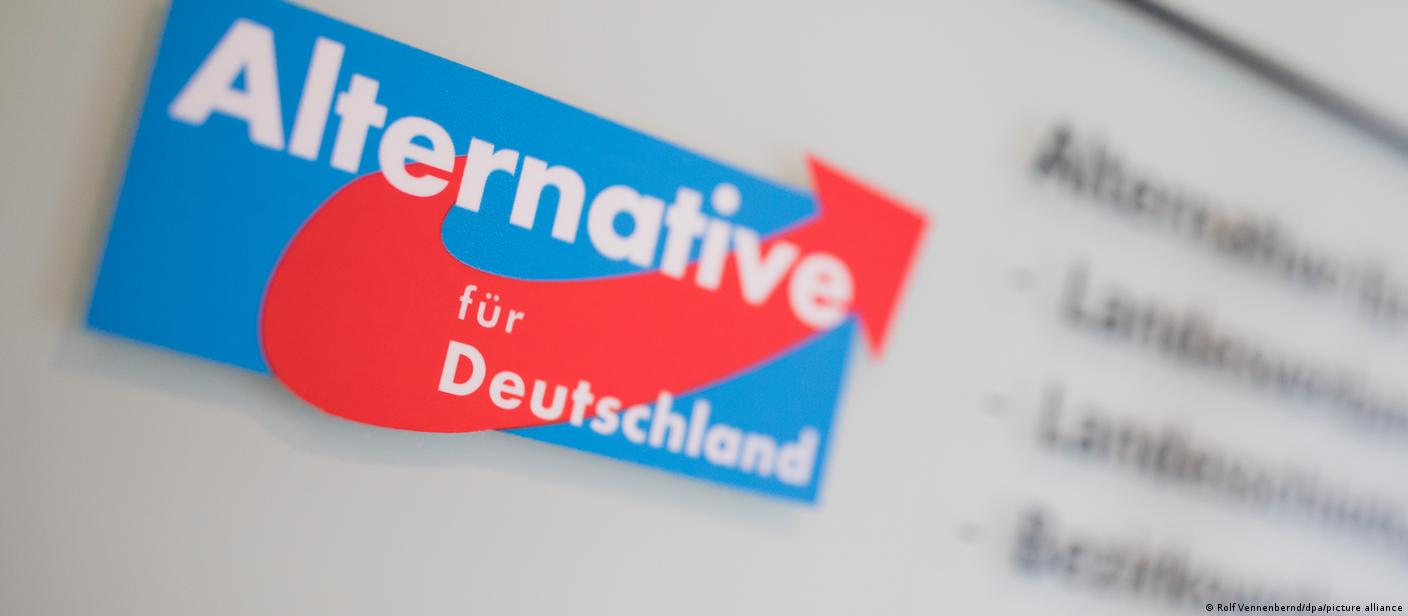
At the time of its founding, the AfD was critical of the euro currency and the EU bailout program for Greece. In September 2012, the "Election Alternative 2013" was formed — the precursor to the AfD. Economics professor Bernd Lucke, journalist Konrad Adam and former CDU member Alexander Gauland then turned it into the Alternative for Germany.
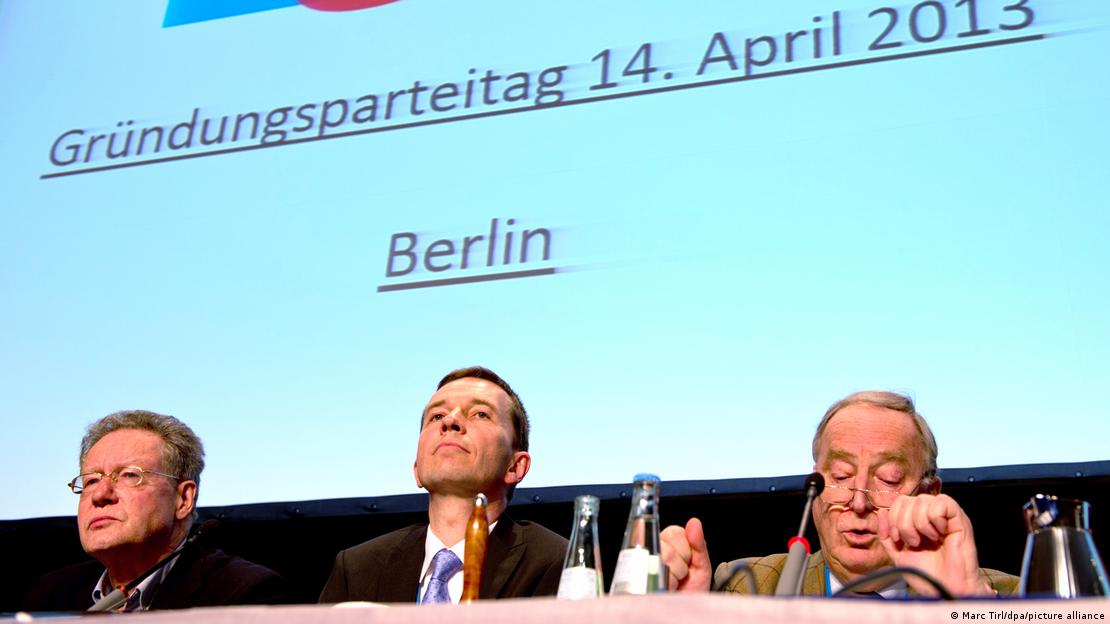
The party was officially founded on February 6, 2013. Since then, "the AfD has become a permanent fixture in the German party system, where a decidedly liberal-conservative force had previously been sorely lacking," wrote AfD co-chair Alice Weidel in response to a DW query.
The party fast became a rallying point for people with right-wing attitudes for whom existing far-right extremist splinter groups seemed too extreme, but who had become disenchanted with the liberal tendencies of the center-right Christian Democrats under former Chancellor Angela Merkel.
From the beginning, the AfD comprised three different movements: the liberal economists, the national conservatives and right-wing populists.
Two of the three founding members have long since turned their backs on the party. And that, too, has become a distinctive feature of the AfD: the frequent change of leadership. It is a "divided party that often sees battles erupt between its leadership and its grassroots," said Münch. Read More…