Germany’s energy crisis is ‘more or less solved’ and its economy is safe, Bundesbank’s Nagel says
-
 Loading...
 - Aharon Gamal
- 17 Apr 2023
- 81 Views
- 0 Like
- 0 Comment
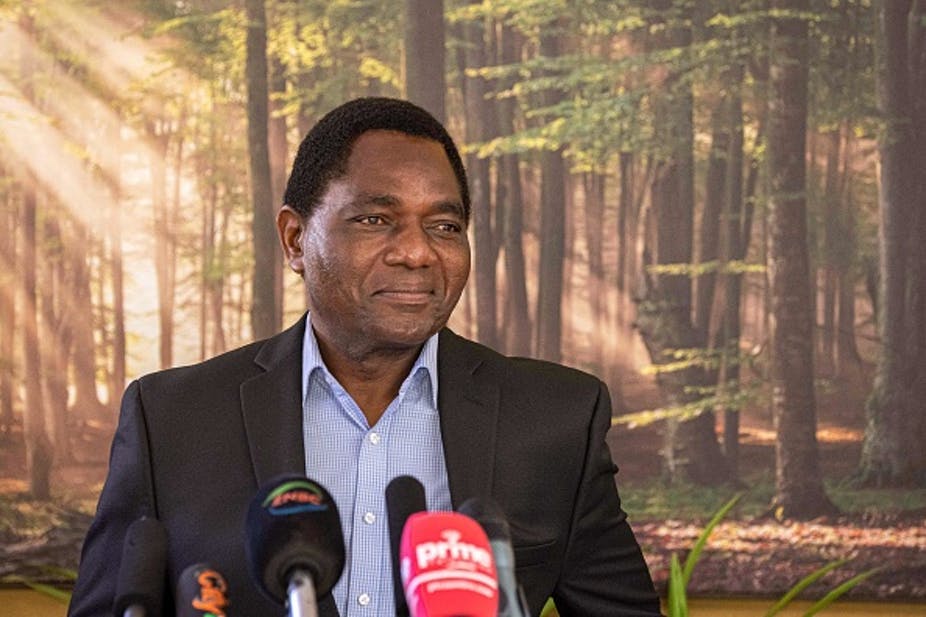
Germany’s energy worries are over and Europe’s largest economy has the “inherent strength” to recover from the dual shocks of the pandemic and the war in Ukraine, according to Bundesbank President Joachim Nagel.
The International Monetary Fund on Tuesday projected the German GDP will contract by 0.1% in 2023, becoming the second worst performer among major economies behind the U.K., before expanding by 1.1% in 2024.
Central to concerns about the economic outlook for Germany and the wider continent over the past year has been the potential for an energy crisis, as Europe strives to curb its reliance on Russian gas following Moscow’s full-scale invasion of Ukraine.
German output decreased by 0.4% in the fourth quarter and is expected to contract again in the first quarter of 2023, entering a technical recession.
Nagel told CNBC on the sidelines of the IMF Spring Meetings that he is “more positive than the IMF” and does not see a recession this year.
“The German economy proved a lot over the past couple of weeks and months, so the adaptation capacity of the German industry is pretty high, the energy crisis is more or less solved. So we had a really worried situation in the past, but this is now over, and the outlook is good,” he told CNBC’s Joumanna Bercetche.
He asserted that Germany’s progress in diversifying its liquefied natural gas supply away from Russia, and its increased storage — resulting from built up capacity during the mild winter — meant the country’s economy is well placed to weather the next cold season as well.
The latest available purchasing managers’ index readings showed German manufacturing, which accounts for around a fifth of the country’s economy, experienced its sharpest fall in activity for almost three years in March and hit its lowest level since May 2020. Read More…