German far-right party reaches new high in polls
-
 Loading...
 - Ottum Tore
- 07 Jun 2023
- 67 Views
- 0 Like
- 0 Comment
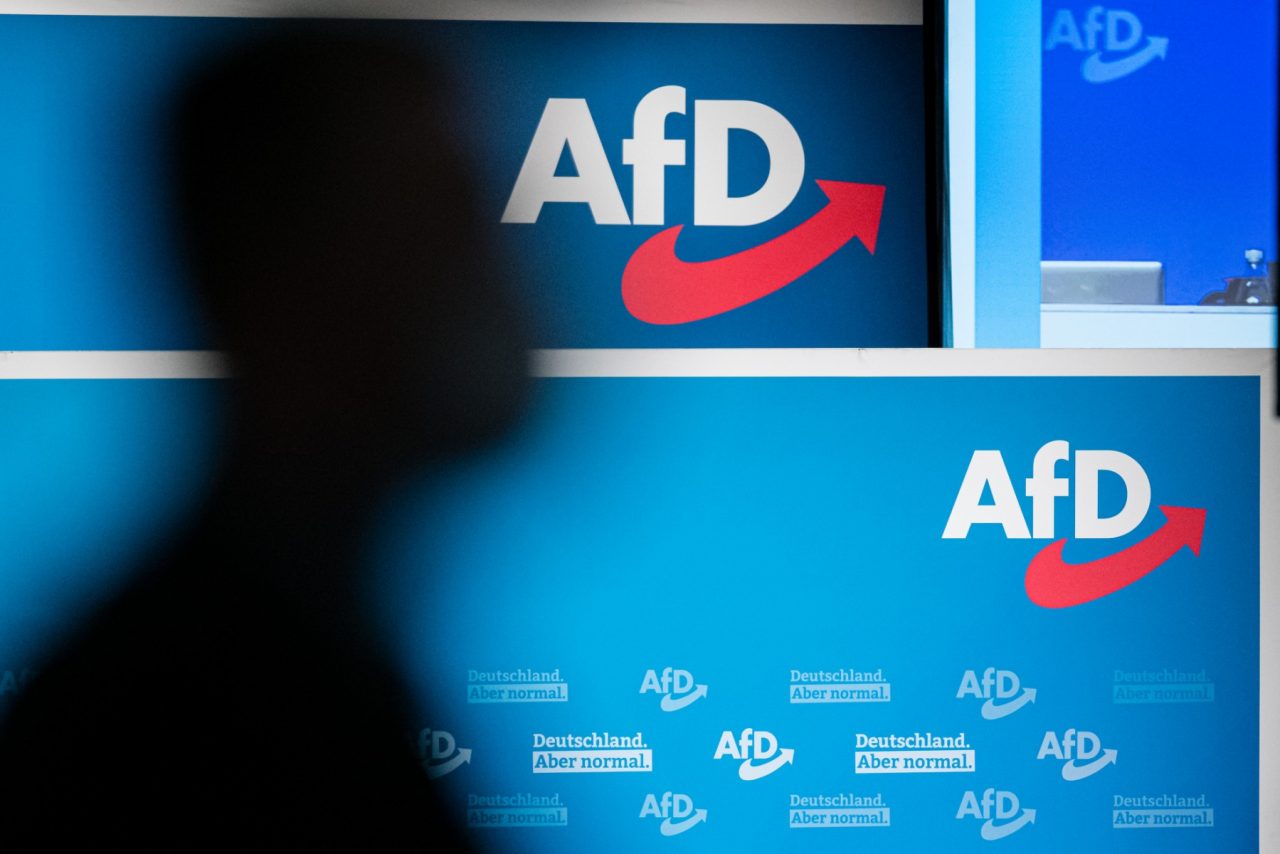
The Alternative for Germany (AfD), an anti-immigration party, has achieved a significant increase in support according to recent national opinion polls. This surge in popularity can be attributed to growing dissatisfaction among voters regarding the government's climate agenda.
If elections were held tomorrow, the nationalist group would secure 18 percent of the vote, as revealed by a recent survey. This marks the AfD's strongest performance to date, placing them on par with the Social Democrats. Alarmingly, only one in five voters participating in the poll expressed satisfaction with Chancellor Olaf Scholz's coalition government.
The AfD has emerged as the leading party in the eastern regions of Saxony, Thuringia, and Brandenburg. While the party continues to emphasize its anti-immigration stance, experts believe that it is capitalizing on public discontent with Berlin's climate agenda and the financial strain caused by Russia's invasion of Ukraine.
The ARD poll indicated that nearly two-thirds of AfD voters cited immigration as a determining factor in their choice. Since its establishment in 2013, the AfD has experienced rapid growth and currently holds 78 seats in the German parliament, known as the Bundestag.
The German capital, Berlin, heavily reliant on tourism and nightlife, has suffered severe economic consequences due to the COVID-19 pandemic. Against this backdrop, the AfD has managed to gain considerable ground in opinion polls.
The far-right party effectively exploits public anger stemming from former Chancellor Angela Merkel's decision in 2015 to accept a large influx of asylum seekers from war-torn nations such as Syria, Afghanistan, and Iraq.
The country's three-way coalition, led by Chancellor Scholz, has been plagued by internal strife in recent times, particularly concerning energy policies. The coalition consists of Scholz's Social Democrat party, the Greens, and the Liberals. Disagreements have arisen regarding a proposal from the Green-led economy ministry to ban new fossil fuel boilers and reduce emissions.
This plan has faced severe criticism from various sections of the German media, including the popular tabloid Bild, which labeled it a burdensome expense for consumers. Jakob Guhl, a researcher at the Institute for Strategic Dialogue, has noted that the AfD's online content often revolves around criticizing the Greens, tapping into a narrative that portrays elite metropolitan liberals as ruling against the interests of ordinary citizens by supporting Ukraine, imposing damaging sanctions, and pursuing unrealistic environmental programs.
Political scientist Ursula Muench from the Bundeswehr University Munich has observed that the far-right party has embraced the issue of climate protection. By vocally criticizing the government's allegedly costly climate agenda, the AfD successfully mobilizes public sentiment and creates a negative atmosphere. Muench further highlights the AfD's ability to exploit resentment and lack of understanding regarding the heating law, outperforming the main opposition CDU in this regard.
In the 2017 general election, the AfD secured nearly 13 percent of the vote, propelling them into the Bundestag. However, their support dipped to 10 percent in the last national election held in 2021. Tino Chrupalla, co-leader of the AfD, conveyed the party's perspective stating that voters are witnessing the repercussions of the Green Party's values-based politics, such as economic warfare, inflation, and deindustrialization.