Four Facts About Asteroids You May Not Know
-
 Loading...
 - Dalila Kettani
- 04 Jul 2022
- 139 Views
- 0 Like
- 0 Comment
Swirling among the planets in our solar system are pieces of rocky matter called asteroids. Too small to be considered planets, asteroids are a ‘hangover’ from the early formation of the solar system, making them around 4.6 billion years old. There are three types of asteroids — the materials that make up their composition determine them.
C-type, or those that contain high amounts of carbon, are the most common — making up about 75 percent of asteroids. These gray asteroids are typically made of clay, minerals and silicate rocks. M-types contain high amounts of metals like iron and nickel, which most likely contributes to their red color. S-types can range from red to green in color and are mostly made up of silicate materials as well as iron and nickel.
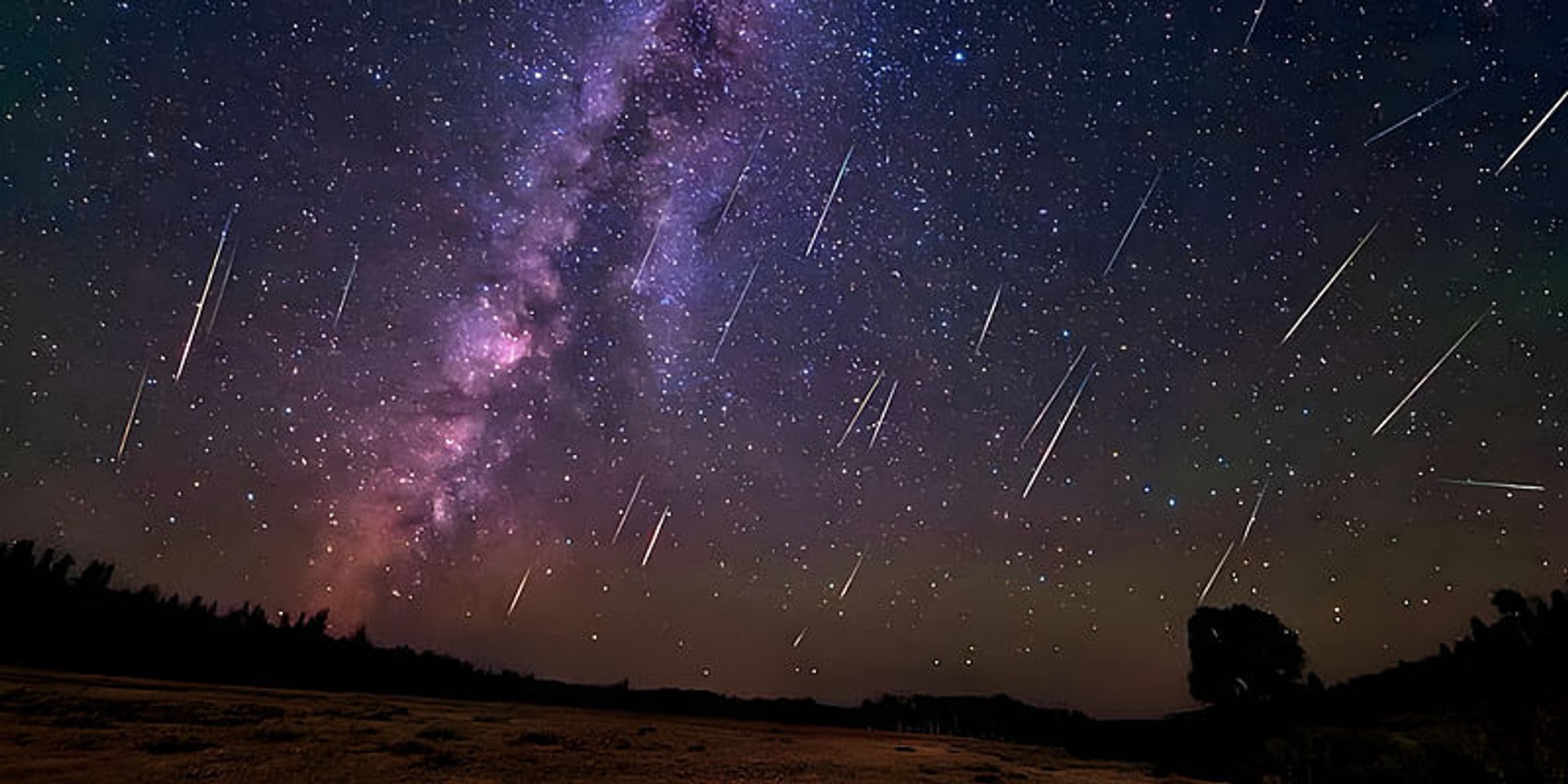
As these rocks travel around the sun, they can collide with planets, create falling stars and form large belts. Here are four amazing facts about asteroids that you may not have known.
1. They can create a big impact
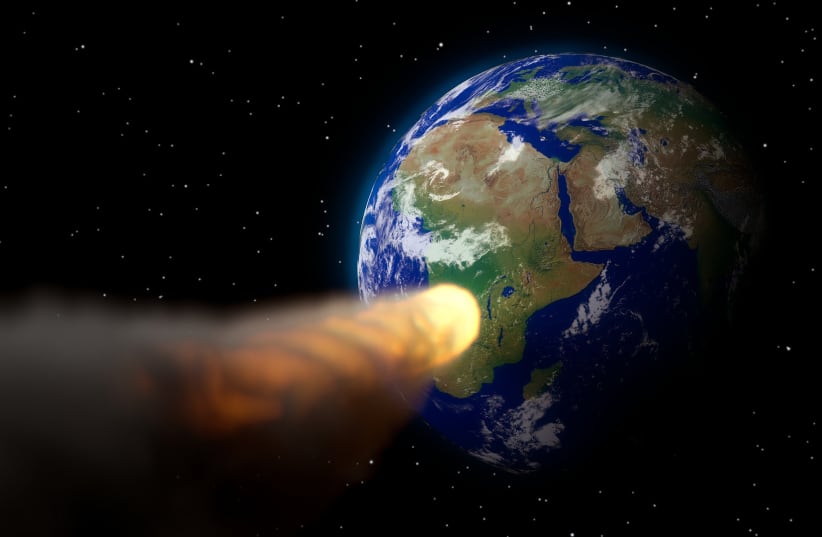
Asteroids collide with planets. Not all are extinction level events, but some asteroids have impacted Earth in massive ways. About 66 million years ago, an asteroid the size of a mountain hit the coast of Mexico's Yucatán Peninsula — creating the Chicxulub crater. The impact and its damage changed life on Earth and is believed to have contributed to the extinction of the dinosaurs.
The collision triggered tsunamis and fires, along with enormous amounts of dust and soot. The sulfur from vaporized rock acidified the oceans and blocked part of the sun, reducing the amount of light to reach Earth. This inhibited plant growth, leading to a larger problem in the food chain. There have been other asteroid impact events, the biggest ones ranging in time from 35 million to more than two billion years ago.
2. They form the asteroid belt
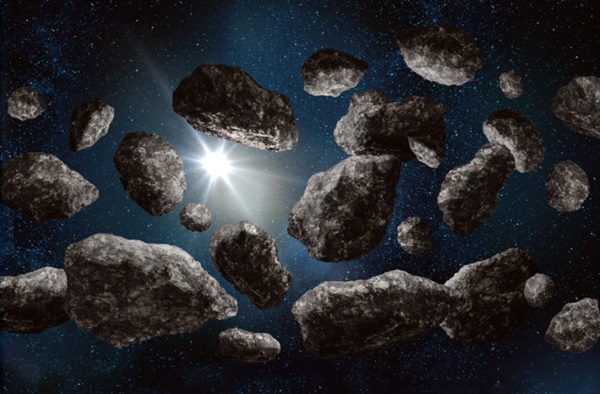
Most known asteroids are within the asteroid belt, located between the orbits of Mars and Jupiter. According to NASA, the currently known asteroid count exceeds 1.1 million. They vary in size, ranging from as small as dust particles, to boulders to thousands of feet in diameter. Yet the total collective mass of all the asteroids is still less than the mass of Earth’s Moon.
Despite the fact that there are millions (if not more) asteroids in the belt, they are spaced far apart — approximately 600,000 miles. Because of that, spacecraft can fly through the belt without colliding with any asteroids. In 1973, A space probe called Pioneer 10, was the first to traverse the asteroid belt. Read More...