Five Popular Angolan Traditional Cuisine

Angolan traditional cuisine encompasses a wide range of dishes, each with its own distinct flavors and ingredients. Let's delve into the five most popular dishes that exemplify the essence of Angolan culinary heritage:
1. Muamba de Galinha: A Chicken Lover's Delight
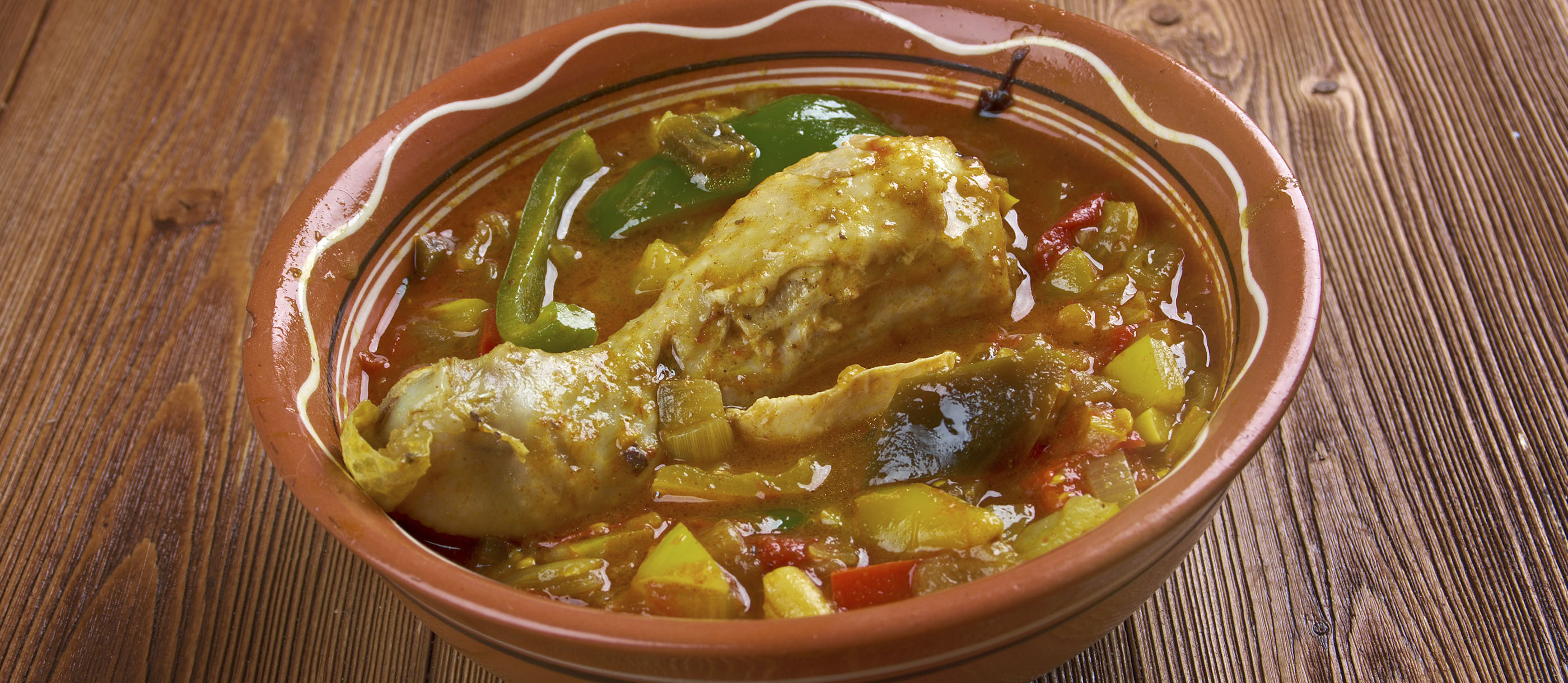
Muamba de Galinha, a traditional Angolan chicken stew, is a mouthwatering dish prepared with tender chicken, palm oil, garlic, onions, and various aromatic spices. The stew is slow-cooked to perfection, allowing the flavors to meld together harmoniously. Served with funge (a cassava-based porridge) or rice, Muamba de Galinha is a true delight for chicken lovers.
2. Moqueca de Peixe: Seafood Splendor
:max_bytes(150000):strip_icc()/5171015-moqueca-de-peixe-baiana-brazilian-fish-stew-AllrecipesPhoto-1x1-1-b6a2dd33d1ab41dea4e4da7c302c6132.jpg)
Moqueca de Peixe is a delectable Angolan seafood dish that showcases the country's coastal bounty. This flavorful fish stew features fresh fish, coconut milk, tomatoes, bell peppers, onions, and cilantro. The combination of spices and the creamy coconut milk creates a luscious broth that infuses the fish with rich flavors. Moqueca de Peixe is typically served with pirão (a cassava flour-based side dish) and rice.
3. Calulu: A Taste of Tradition
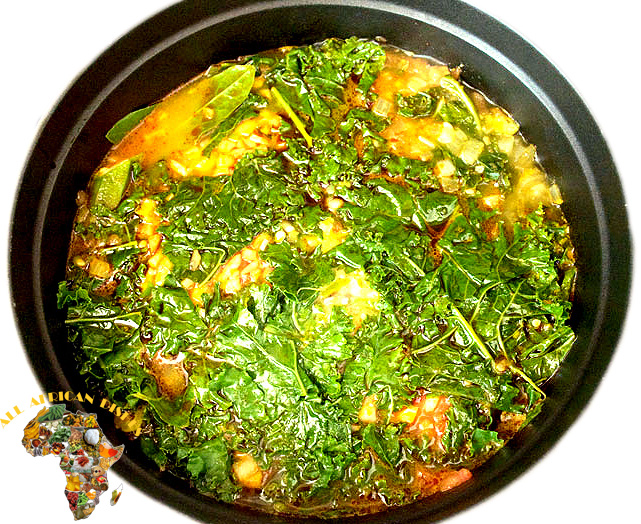
Calulu, considered Angola's national dish, is a hearty and satisfying stew made with dried fish or meat, dried shrimp, tomatoes, onions, okra, and leafy greens. The ingredients are cooked slowly, allowing the flavors to intensify. Calulu is often accompanied by funge or pirão, providing a well-rounded and fulfilling meal.
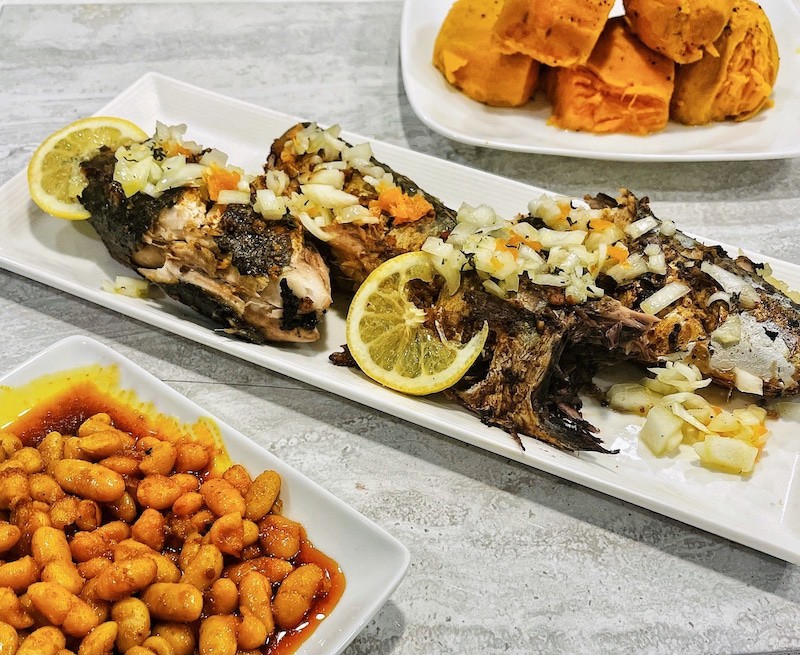
4. Mufete: Grilled Delicacy
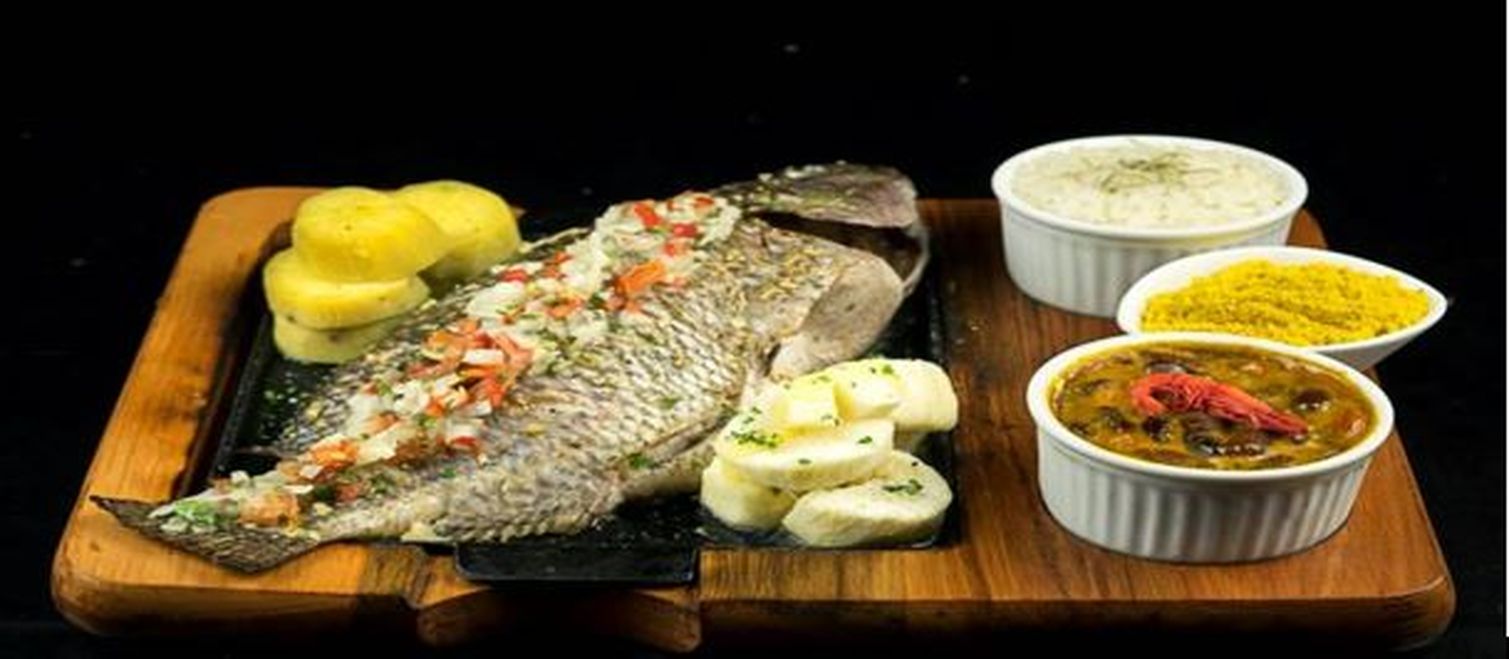
Mufete is a beloved Angolan dish that showcases the country's grilling prowess. This dish typically features grilled fresh fish, served alongside vibrant vegetables such as tomatoes, onions, and peppers. The fish is marinated with a blend of spices and grilled to perfection, resulting in a smoky and succulent flavor. Mufete is often served with funge or pirão, completing the delicious ensemble.
5. Cocada Amarela: A Sweet Finale

No Angolan culinary journey would be complete without indulging in Cocada Amarela, a traditional dessert that delights the taste buds. This sweet treat is made from grated coconut, egg yolks, sugar, and a hint of lemon zest. The ingredients are cooked together until a creamy, custard-like consistency is achieved. Cocada Amarela is typically served chilled and garnished with cinnamon, offering a refreshing and satisfying end to a meal.
FAQs (Frequently Asked Questions)
What are the key ingredients in Angolan traditional cuisine?
Angolan traditional cuisine incorporates various ingredients such as palm oil, cassava, fish, chicken, onions, tomatoes, leafy greens, and spices like garlic and chili.
Is Angolan cuisine spicy?
Yes, Angolan cuisine often incorporates spices and chili peppers, adding a pleasant level of heat to many dishes. However, the spiciness can be adjusted according to personal preference.
Are there vegetarian options in Angolan traditional cuisine?
Yes, while meat and seafood are prevalent in Angolan traditional cuisine, there are also delicious vegetarian options available. Dishes like Moamba de Quiabo (okra stew), Funge de Bombo (cassava porridge), and Feijão de Óleo de Palma (red bean stew cooked in palm oil) offer flavorful alternatives for vegetarians.
What is the significance of palm oil in Angolan cuisine?
Palm oil holds great importance in Angolan cuisine, as it is widely used in various traditional dishes. It adds a distinct flavor and richness to stews and sauces, and its vibrant red color enhances the visual appeal of the cuisine.
Is Angolan cuisine influenced by Portuguese and Brazilian flavors?
Yes, Angolan cuisine has strong Portuguese and Brazilian influences due to the country's historical connections with these nations. Portuguese colonization and the transatlantic slave trade played a significant role in shaping the culinary traditions of Angola.
Where can I experience Angolan traditional cuisine?
To experience the authentic flavors of Angolan traditional cuisine, visiting local restaurants or street food markets in Angola is highly recommended. Additionally, some international cities also have Angolan restaurants that offer a taste of this delightful cuisine.
The Five Popular Angolan Traditional Cuisine dishes we've explored in this article represent the heart and soul of Angola's culinary heritage. From the aromatic Muamba de Galinha to the flavorsome Moqueca de Peixe, each dish tells a story of culture, tradition, and the country's rich culinary tapestry. Whether you're a meat lover, a seafood enthusiast, or a vegetarian, Angolan cuisine offers something for everyone. So, next time you have the opportunity, embark on a culinary adventure and savor the delights of Angolan traditional cuisine.