Fighting wildlife trafficking in Peru: Q&A with prosecutor Alberto Caraza
-
 Loading...
 - leo sebastin
- 01 Feb 2023
- 76 Views
- 0 Like
- 0 Comment
Earlier this month, faced with a third impeachment attempt, former Peru President Pedro Castillo announced that he would be suspending congress, writing a new constitution and ruling by decree. But congress, which viewed the move as an effective coup d’état, voted to remove Castillo.
He was sent to prison and Vice President Dina Boluarte was sworn in as the country’s first female president. Protests across Peru have continued throughout the month, with residents demanding new elections and more accountability in the political system — there have been seven presidents since 2018, some ousted because of corruption scandals and others by constitutional crises.
In Loreto, the largest and one of the most rural departments of Peru, the environment has been suffering from this political unrest. The national government has underfunded environment-related work, which gets pushed back by every change of head of state.
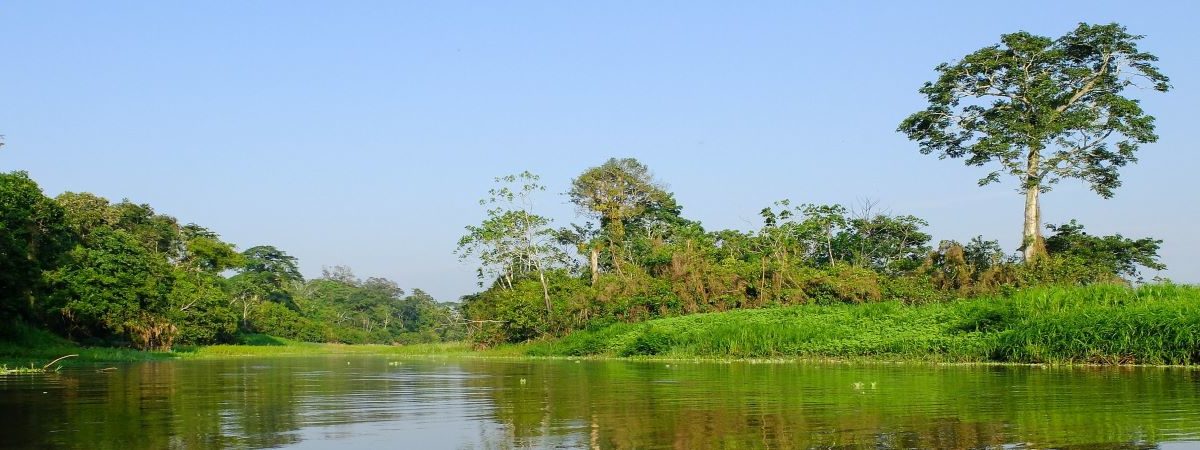
Logging and wildlife trafficking are on the rise, much of it at the hands of organized crime groups that know how to circumvent environmental regulations. That’s especially worrying in Loreto, which hosts around 35 million hectares of Amazonian rainforest, making it one of the most biodiverse areas in Peru.
Loreto, located in the northeast, also shares massive, uninhabited borders with Brazil, Ecuador and Colombia, which even with cross-border cooperation can be almost impossible to monitor fully.
In November, a law was passed making the penalty for trafficking flora and fauna much stricter. It also allowed prosecutors to treat people involved in trafficking as an organized crime group. The law faced backlash in congress after it was passed, with some lawmakers claiming, among other things, that it unfairly targeted artisanal fishermen who fish out of season. However, repeal efforts have failed so far.
Mongabay spoke to Loreto Prosecutor Alberto Yusen Caraza Atoche about the new wildlife trafficking law, environmental crime trends in the Peruvian Amazon and how the country’s continued political turmoil is impacting wildlife trafficking and logging.
Mongabay: What sorts of environmental crime have you been dealing with over the last year, coming out of the pandemic? Are any of them on the rise?
Alberto Yusen Caraza Atoche: My territory, the Loreto region, is almost as large as Italy or Germany. It’s 220 Bogotás and 440 Santiago de Chiles. You can imagine how important Loreto is. We have to handle the neighboring countries of Ecuador, Colombia and Brazil. And basically our problem has always been to work as crime chasers. We’re working in the Amazon, the immense vegetation, [and with] flora and fauna. We have the largest forest in all of Peru and it’s a constant concern for us, since we only have nine prosecutors in Loreto, so it’s extremely difficult for us. We’re specialized in environmental matters and, as environmental prosecutors, we’re in charge of a Satellite Monitoring and Reference unit, which uses databases and satellites to help find out where environmental crimes are being committed. For example, the crime of logging, deforestation. With satellite images, we can confirm that a certain area [is being targeted]. We call it “forest alerts,” which go into a file that we then investigate. The most common crimes are against forests. The felling of trees, deforestation, mining, we also have crimes against wildlife. We also have pollution crimes … About 80% of all complaints that come to the Specialized Prosecutor’s Office for Environmental Matters are crimes against forests. That’s anything that has to do with wood. Then the other 20% is divided between mining crimes, which have increased recently because there’s a large presence of illegal miners in the Nanay River Basin and in the Napo River Basin. And we also have crimes related to environmental pollution. But most of the crimes we see have to do with forests — probably around 70% or 80% of all of the cases that come to the Prosecutor’s Office are related to that. Read More…