Environmental Impact Assessment: Ongoing Drought Affecting Avian Species

The well-being of both migratory and local bird species is heavily dependent on the wetlands and other aquatic ecosystems in the country, necessitating increased efforts to conserve these habitats.
May 13 is celebrated as World Migratory Bird Day in many parts of the world, including Taiwan, with the aim of raising public awareness about the various threats faced by wild bird populations.
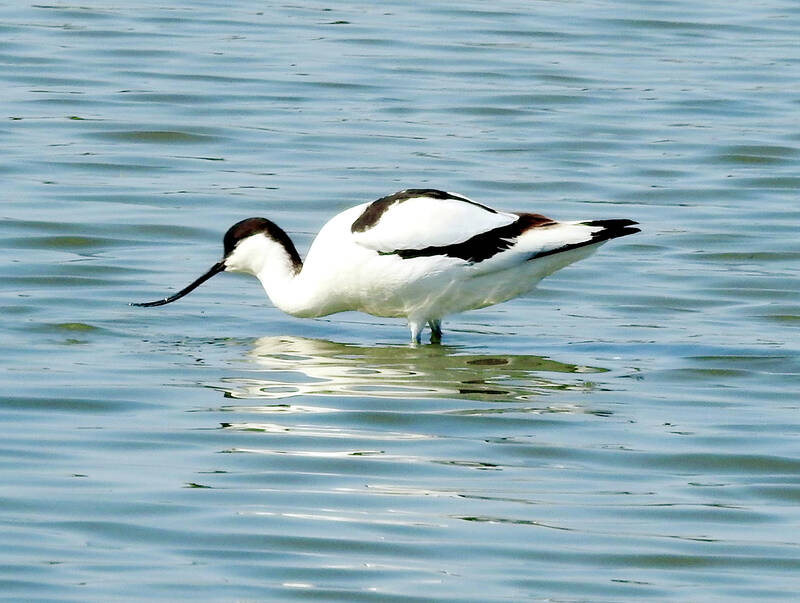
Taiwan is renowned for its significance to migrating birds, attracting birdwatching enthusiasts who travel long distances to witness the avian diversity. Situated at the heart of the East Asian-Australasian Flyway, which spans a vast region from the Arctic to New Zealand, Taiwan serves as a crucial stopover for over 50 million waterbirds undertaking extensive annual migrations.
The coastal wetlands, salt flats, paddy fields, fish farms, flood detention ponds, and lakes in Taiwan serve as pivotal rest and refueling sites along the flyway, as stated by Lin Kun-hai, the director-general of the Kaohsiung Wild Bird Society.
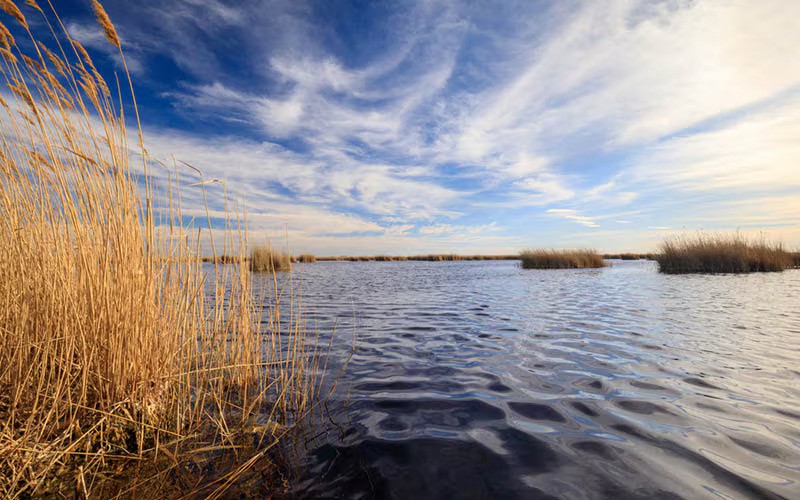
This year's theme for World Migratory Bird Day in Taiwan aligns perfectly with the current situation. According to www.worldmigratorybirdday.org, the campaign emphasizes the significance of water for migratory birds. Inland and coastal wetlands, rivers, lakes, streams, marshes, and ponds are essential for feeding, drinking, nesting, resting, and refueling during their arduous journeys. Unfortunately, aquatic ecosystems worldwide are increasingly endangered, which, in turn, threatens the survival of migratory birds.
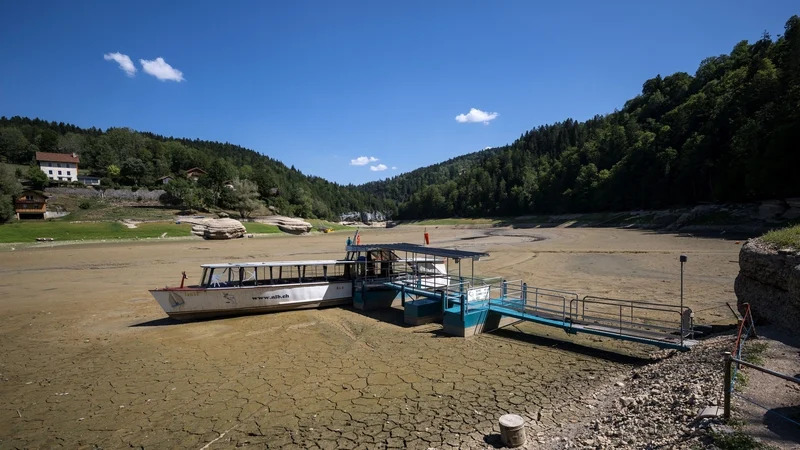
Taiwan is facing severe drought for the second time in three years, adversely affecting both resident and visiting bird populations.
LIMITED RESOURCES
While the Wetland Conservation Act (濕地保育法), implemented on February 2, 2015, marks a significant milestone in wetland protection, Lin points out that the government's investment in wetland conservation, in terms of funding and manpower, has been woefully inadequate.
Consequently, some wetlands are ill-prepared to cope with extreme weather events like the ongoing drought. One such example is the Cieding Wetland (茄萣濕地) in the northwestern corner of Kaohsiung, which has nearly dried up in recent months.
Originally a series of salt flats, the wetland was created when sand dredged from the bottom of Singda Harbor (興達港) was dumped onto the fields. However, due to its elevation now surpassing that of sea level, the wetland can only be replenished by rainfall.
"In the current drought, the wetland has become desiccated, with more land than water, resulting in a dearth of migratory birds," says Lin.
Numerous salt fields below sea level suffer from either water scarcity or excess water due to the silting up of diversion channels and the lack of maintenance of sluice gates. This can be attributed to inadequate management, a shortage of trained personnel, and funding issues.
CONCRETE WATERWAYS
Wetlands and abandoned salt fields are not the sole aquatic ecosystems deteriorating due to government policies and priorities.
Most waterways in major cities or their vicinity have been entirely encased in concrete, a river engineering technique known as sanmian guang (三面光, "three smooth sides").
"They lack floodplains and natural river banks that provide habitats for biodiversity. These concrete structures do not offer nesting or breeding sites for birds like common kingfishers and brown-throated martins. Additionally, the vertical concrete banks trap numerous organisms," explains Lin.
"The construction of reservoirs and weirs not only hampers the survival of certain river organisms but also diminishes the amount of silt and sediment carried downstream to the ocean," Lin adds.
This reduction in sediment supply leads to an inadequate replenishment of coastal sand, resulting in accelerated erosion, the loss of mudflats, and the deterioration of beaches.
However, it's not all doom and gloom. The recent international black-faced spoonbill census brought some positive news, with a record count of 6,603 of these iconic waterbirds, of which 64 percent spent their winter in Taiwan. Lin believes this demonstrates the success of Taiwan's conservation efforts for this particular species.
Furthermore, over 1,000 hectares of abandoned salt flats in Chiayi and Tainan have been entrusted to ecological conservation groups for adoption and management. With proper management, these areas can serve as protective buffers against flooding during the wet season and provide ideal habitats for migratory birds in winter. Healthy bird populations can also attract ecotourists and contribute to local economic development, according to Lin.
LOSS OF HABITAT AND FOOD
Even non-migratory species like the pheasant-tailed jacanas, which draw birdwatchers to specific locations in Tainan and Kaohsiung, are not immune to the effects of prolonged drought.

The water level in Meinong Lake has been steadily decreasing, but so far, it hasn't posed significant problems for the jacanas inhabiting the Meinong Lake Jacana Conservation Area, says Huang Shu-mei, co-founder of the project.
However, at the Jacana Ecological Education Park in Tainan's Guantian District, five out of the eleven ponds specifically nurtured with aquatic plants to create an ideal habitat for the species have dried up as of last month, as reported by Liberty Times.
Park managers are concerned that if the drought persists, it could adversely affect the upcoming breeding season, which starts in May.
To mitigate the effects of low water levels, staff and volunteers have taken the opportunity to clear the ponds of unwanted plants and eliminate walking catfish and striped snakeheads, both considered pests. The former is known to consume jacana eggs and chicks, while the latter exhibits aggressive behavior during the breeding season.
During the 2021 drought, the number of jacanas inside the park more than doubled to around 220, as several nearby water-chestnut fields had dried out. The park provided a refuge for these birds, allowing them to roost and search for food. However, overcrowding increases the risk of disease transmission among the jacanas.
The scarcity of rainfall is likely to result in a reduced food supply for avian species. Shrimp and other creatures that shorebirds feed on thrive within specific salinity levels. Therefore, when freshwater flow into wetlands decreases, these birds may face hunger. Many birds rely on insects as a food source, but a drier environment often leads to lower insect hatching rates. A drought can also mean fewer wildflowers, negatively impacting nectar-loving birds.
While Taiwan's droughts tend to receive media coverage primarily for their economic consequences, it's essential to recognize the impact on the island's wildlife. Farmers, even if they don't appreciate the value of winter visitors like the black-faced spoonbill, should acknowledge birds' role in pest control by consuming insects that could damage crops. Everyone should appreciate their contribution to regulating rodent and blood-sucking insect populations.