Election of CGC is trapped by legal dispute of postulating associations
-
 Loading...
 - Gael Galban
- 18 Jul 2022
- 116 Views
- 0 Like
- 0 Comment
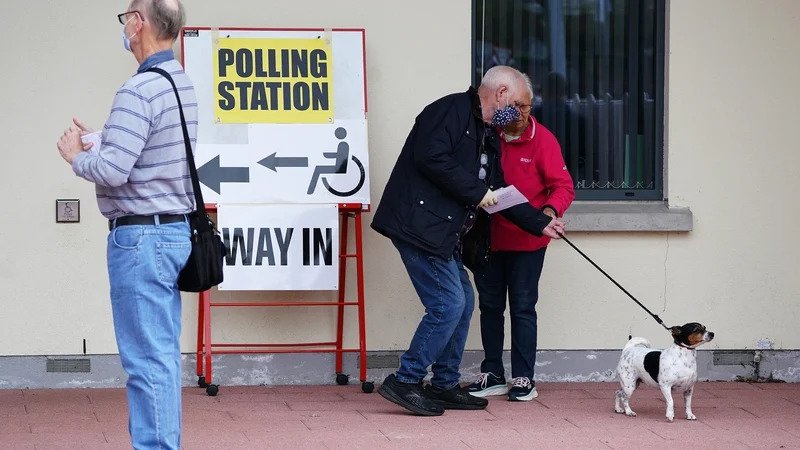
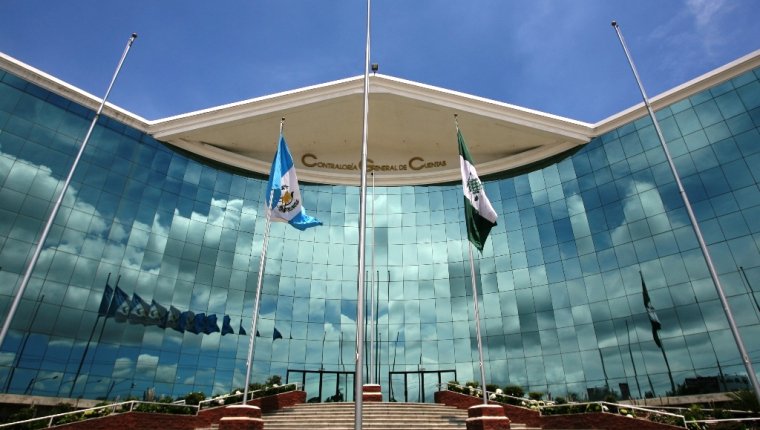
On June 6, the Congress of the Republic convened the rectors of the country's universities, the deans of the faculties that include the Public Accounting and Auditing career, the College of Economists, Public Accountants and Auditors and Business Administrators (CECPAA ) and the Association of Public Accountants and Auditors (CPA), so that they may elect their representatives who will form part of the Nominating Commission. Said collegiate body will be in charge of drawing up a list of six candidates for the Congress of the Republic to appoint the next Comptroller General of Accounts (CGC).
But the process of electing the nine representatives of the CPA is on the tightrope due to the legal battle that they maintain internally, between the Board of Directors and the Electoral Tribunal. In addition, now the event to appoint the commissioners is in the hands of the magistrates of the Constitutional Court (CC).
The risk now is that the applicant is integrated after the planned date —August 12— and that the new head of the Comptroller's Office does not take office next October.
"The subject of the comptroller is included within the legal subjects that have the greatest scope in auditing issues" summarizes Francisco Quezada, a researcher at the Center for National Economic Research (CIEN). He added that the entire process carried out by the institution is fundamental, ranging from the channeling of findings, obtaining the results of inspections, to the imposition of sanctions on all public and private entities that receive State funds.
Power fight
The Directive chaired by Marco Tulio Francisco Bautista, supported by the Avancemos group, called for elections next Wednesday, July 20, but the president of the Electoral Court, led by José Antonio Vielman, of the Great Alliance of Professionals (GAP), argues that his rival usurped functions and did not exhaust due internal process.
Refusing to start the entire election event, Bautista filed an injunction with a Civil Branch Court to order Vielman to plan and elect the representatives of the College, but this was rejected by the judge and the decision was appealed to the CC, which already required a report from the defendant.
“The Electoral Court indicates that the process must be convened within 30 working days, that is incorrect…we convene and release responsibility. He —Vielman— refuses to carry out the event for a type of interest, and they don't want to carry it out, ”said Bautista. According to the interviewee, the Court wants to organize the election until next September and this has a method that goes from registering forms to declaring results.
He said that hopefully the CC interprets the threat that exists in that the Court, which does not want to organize the event and that there is no representation of the CPA in the applicant.
Vielman's position is different. He assures that all this needs a schedule, including having an official voter registry. He explained that initially it was planned to carry it out on August 1, but that the Board began to usurp functions, define the locations of voting centers and dates and "I did not exhaust the instances within the College, and on its own initiative made the decision to convene ”.
The president of the Court assures that now the date to call a vote is uncertain, since it will depend on the jurisdictional bodies and the time they take to give an answer. He said that after a positive answer is given in their favor, they will have to carry out all the logistics for the event.
Quezada, from CIEN, stated that this issue of electing the new comptroller becomes critical when an electoral event for public office approaches, because it is at this time that the Electoral and Political Parties Law (LEEP) and the Integrity Law and Responsibilities of Public Officials and Employees becomes fundamental, since from a simple accusation against an official who did not act correctly with the legal standards of the CGC, this produces a limitation to access the settlement, a document required to register as a candidate. Read More...