Dungeons of Hinterberg Review
-
 Loading...
 - Freddie Watson
- 14 Aug 2024
- 54 Views
- 0 Like
- 0 Comment
Dungeons of Hinterberg, developed by the Austrian indie studio Microbird, is a game that brings Austrian culture to life through its unique blend of dungeon crawling, social simulation, and puzzle-solving. Released just a few years after the studio's founding in 2020, the game follows Luisa, a young woman disillusioned with her life in Vienna, who embarks on a journey to the alpine village of Hinterberg in search of adventure and self-discovery.
Instead of simply enjoying the picturesque scenery, Luisa finds herself battling demons in dungeons, as Hinterberg is a mystical place where magic and monsters coexist. This twist on the typical European village transforms it into a tourist hotspot where visitors come not just to relax, but to "find themselves" through demon-slaying.
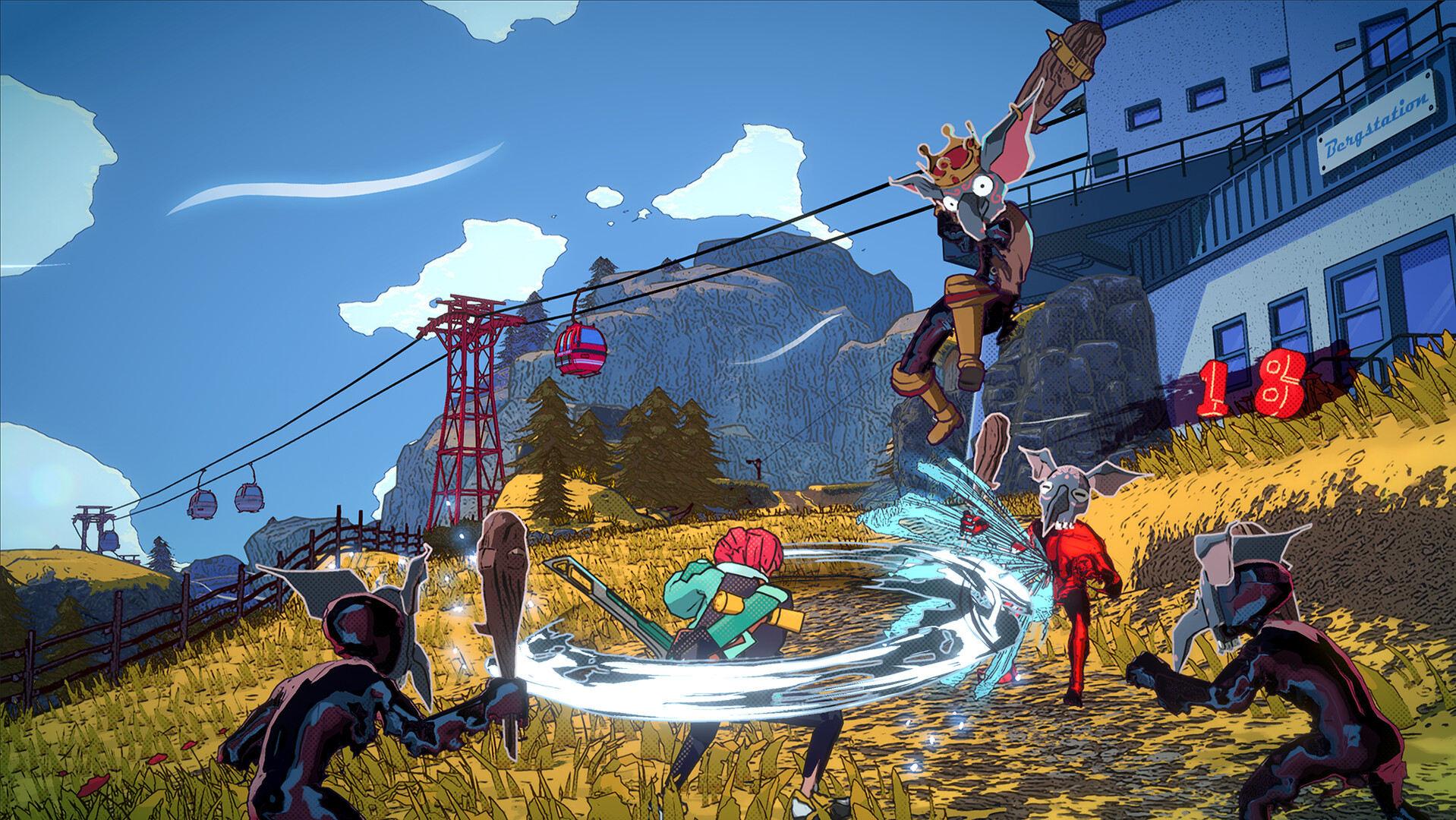
One of the first things players notice is the stunning cel-shaded art style, which gives the game a dreamlike quality. The visuals capture the beauty of the landscapes and add a distinct aesthetic charm to the game. Beyond dungeon crawling, players can interact with the locals, watch movies, or visit the local bar, all of which contribute to a social links system reminiscent of the Persona series. By spending time with characters, players can increase their attributes like Renown, Amusement, Familiarity, and Relaxation, unlocking more activities as these attributes grow.
However, the game imposes certain restrictions based on these attributes, occasionally locking players out of side quests if they haven't reached the required levels. This can feel limiting, particularly when it disrupts the flow of exploration.
The game features a day-and-night cycle, with dungeon exploration during the day and social activities in the evening. The combat system, while functional, isn't particularly deep or satisfying. Players start with a basic sword and can upgrade their weapons and armor at a local shop. The combat mechanics include light and heavy attacks, along with conduit attacks that add some variety, such as shockwaves or tornado spins.
The real innovation comes from the magic powers that vary across the four distinct areas in the game. These powers are obtained from Skill Shrines and are integral to both combat and puzzle-solving. For instance, one power allows Luisa to conjure a bomb, while another turns her sword into a snowboard, enabling her to glide across the mountains. These powers are cleverly integrated into the dungeon puzzles, keeping gameplay fresh and engaging. Each dungeon presents new challenges that require players to use their abilities creatively, making the puzzles a central part of the experience.
While the combat may not be the game's strongest suit, the story and thematic elements help carry it. Luisa's journey is relatable, reflecting common feelings of disillusionment with modern life. The narrative also touches on the impact of tourism on local communities, the empty promises of development projects, and the tension between catering to tourists and preserving the needs of the locals.
Overall, Dungeons of Hinterberg offers an enjoyable and thought-provoking experience, with its strengths lying in its art style, storytelling, and innovative use of powers and puzzles. However, it could benefit from a more robust combat system to fully round out the gameplay.