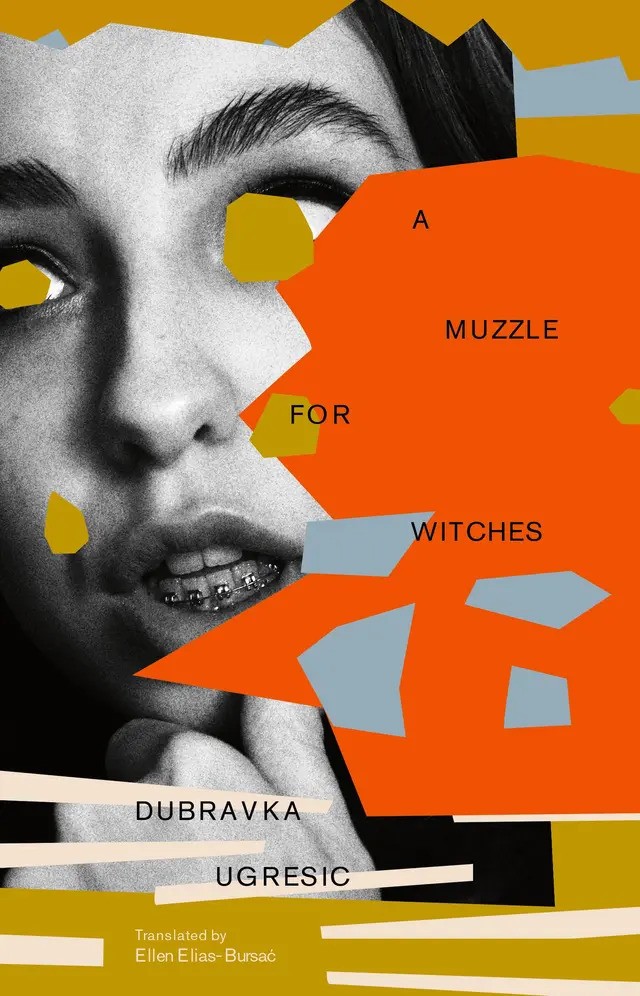
Dubravka Ugrešić’s A Muzzle for Witches
-
 Loading...
 - Pauline Roussel
- 04 Feb 2025
- 41 Views
- 0 Like
- 0 Comment
In A Muzzle for Witches, Dubravka Ugrešić employs the interview format as a dynamic platform for her reflections, allowing her responses to leap into profound insights and critiques. The late Ugrešić, a prominent voice in the discourse surrounding the refugee experience of the twenty-first century, navigates her narrative with a fierce control that stems from her personal history, particularly the trauma of the Yugoslav wars in the 1990s.
Ugrešić’s life was irrevocably altered when she was branded a “witch” and forced to flee Croatia in 1993, despite being an esteemed novelist and scholar. In Muzzle, she refuses to be silenced about the brutality she faced and the triumphs she achieved, delivering both a warning and a pathway to safety. Her narrative is not just a recounting of personal suffering; it is a broader commentary on the societal and political landscapes that foster such violence and oppression.
As Ugrešić reflects on her experiences, she confronts the specter of totalitarianism that haunts Europe. By the time she engaged in this interview, she was battling bone cancer, yet her insights remained sharp and poignant. She articulates how a new generation of fascists has emerged from the blood-soaked grounds of Sarajevo and Vukovar, drawing parallels to contemporary political figures in the West, including those in the United States. Her observations on “libricide”—the suppression and destruction of books—serve as a chilling reminder of the fragility of cultural expression in the face of authoritarianism.
Ugrešić’s work consistently emphasizes the importance of culture as a space for inclusivity. She laments the destruction of literature and the erasure of voices that do not conform to a narrow nationalistic narrative. Her commitment to reminding readers of forgotten authors underscores her belief that culture should transcend borders and foster a sense of shared humanity. The title A Muzzle for Witches itself reflects the misogyny that seeks to silence women, drawing attention to the historical and ongoing struggles for women’s rights to speak and be heard.
While Muzzle addresses heavy themes, it is not devoid of humor and insight. Ugrešić’s writing is characterized by a sharp wit and a playful approach that keeps the reader engaged. The text is structured into seven sections, each exploring different core concepts, allowing for a varied reading experience that balances the weight of its subject matter with moments of levity and reflection.
Merima Omeragić, the interlocutor, is an esteemed writer and scholar in her own right, providing a thoughtful framework for Ugrešić’s reflections. Their dialogue culminates in a central question about the possibility of a “happy literary outcome,” to which Ugrešić responds with a nuanced understanding of her own mortality and the enduring spirit of survival, symbolized by the fox.
Dubravka Ugrešić’s A Muzzle for Witches is a powerful testament to the resilience of the human spirit in the face of adversity. Through her incisive commentary on culture, identity, and the political landscape, Ugrešić not only preserves her own voice but also amplifies the voices of those who have been silenced. This work serves as both a warning and a celebration of the enduring power of literature and the necessity of inclusivity in the arts. As Ugrešić navigates her complex legacy, she leaves readers with a profound understanding of the importance of speaking out against oppression and the transformative potential of storytelling.