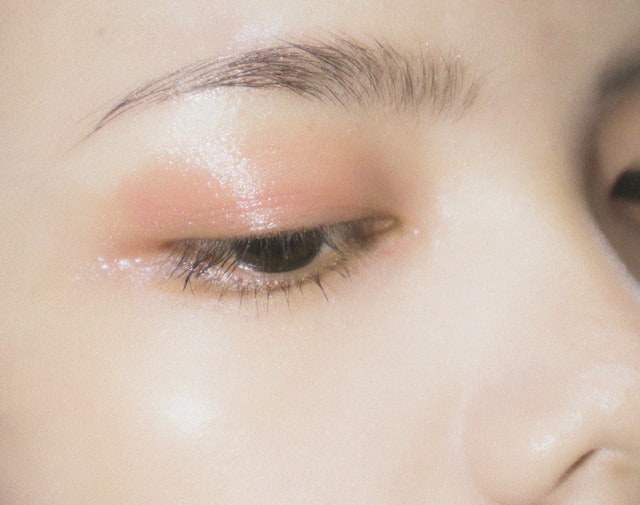
Don't miss these 8 worthy tips if you care about your skin

In today's world, people are constantly looking for better and more efficient ways to take care of their bodies. Among many different habits and practices, caring for your skin is sometimes forgotten about but it is essential to maintaining good health and preventing problems in the future.
Your skin is a living, breathing organ. That means it requires the same kind of care and attention as any other part of your body. If you want to keep your skin healthy and looking its best, then it's important that you start taking care of it right now!
Here are eight simple tips that will help you take better care of your skin:
1. Eat your greens
Vegetables and fruits are an important part of a healthy diet. They are loaded with essential nutrients that can help keep skin soft, smooth and glowing. Vegetables also contain antioxidants which protect against damage to the skin’s surface.
Not all vegetables are equal, however; dark green leafy vegetables like spinach and kale contain high levels of beta carotene (a form of vitamin A) as well as other antioxidants that help to protect the body from oxidative stress (the process by which free radicals damage cells). Research has shown that beta carotene reduces wrinkles by preventing collagen breakdown and UV-induced damage in the skin.
2. Cleanse and Moisturize
Cleansing and moisturizing are two of the most important steps in any skincare routine. Your cleanser should remove dirt, oil, and other impurities from your skin without stripping it of its natural moisture. We recommend using a gentle cleanser that uses ingredients like aloe vera gel or green tea to soothe and purify your complexion.
Your moisturizer should be light enough to sink into your pores but heavy enough to protect them from harsh weather conditions such as wind or sun damage. Look for a cream with hyaluronic acid or linoleic acid—they'll help keep moisture locked in at all times by attracting water molecules from the surrounding environment into the surface of your skin.
3. Get a Good Night's Sleep
You spend a third of your life sleeping, so it's important to get enough rest. Sleep deprivation affects your skin in many ways. Lack of sleep can make you look tired and dull, which will make your skin appear older than it really is. And if that wasn't enough: The National Sleep Foundation says that people who sleep less than six hours per night are at an increased risk for high blood pressure, obesity and diabetes—all things that contribute to the aging process!
So how much sleep do you need? The answer depends on factors like age, gender and physical activity level—but most experts recommend between seven and nine hours of nightly rest for adults under 65 years old.
Keep a consistent sleeping schedule—even on weekends! Going to bed later than usual on Saturday night will disrupt your body clock even more when Sunday morning rolls around, making it harder for you to get up early Monday morning without feeling groggy all day long
4. Use Suncream
Sunscreen is the most important thing you can do for your skin.
Apply it regularly, and don't forget to cover areas like your neck and ears. When you're swimming or sweating, reapply it frequently. If you're exercising (or outside in general), reapply as needed so that you don't get burned.
The best way to tell if your sunscreen is working is how it feels on the skin. It should be dry, not sticky or greasy, and feel like it's sinking into your skin instead of sitting on top of it.
5. Visit your dermatologist for routine skin checkups
It's important to visit your dermatologist regularly for routine skin checkups. Routine visits allow your dermatologist to monitor your skin for signs of early-stage skin cancer and other conditions that can affect your health (such as lupus and rosacea).
Dermatologists are experts in the diagnosis and treatment of skin conditions and diseases. They can help you determine what is causing your symptoms, decide on the best course of action to treat them, and provide advice on how to prevent flare-ups in the future.
It is important to find a specialist dermatologist who can help with the current condition. Type in the search engines "dermatologist near me" or "the best dermatologist in (specify your place). This way you will find dermatologists with the services you need.
6. Exfoliate Regularly
A good exfoliant is an essential part of any skincare routine. It's what sloughs off the dead skin cells and helps unblock pores, so it's important for everyone to exfoliate regularly—even if you have oily or acne-prone skin (it can help prevent breakouts). Exfoliating is also good for dry skin, which tends to be more sensitive than other types of skin, because it doesn't produce enough oil on its own.
If you're new to exfoliating, start off with a gentler option like a washcloth or sponge that will gently remove surface dirt without irritating your face further. You can move up in strength as needed over time; don't just jump into using a scrub right away!
7. Use makeup sparingly and with care
The key to a healthy face is to use makeup sparingly and with care.
Many women don't need to wear foundation or powder, but if you do, choose a product labeled "mineral." These powders are made from natural ingredients, such as mica, zinc oxide and titanium dioxide, and tend to be healthier for your skin than traditional powders that contain talc or other chemicals.
If you're going to use makeup every day, consider using an oil-free moisturizer with SPF protection in the morning and applying sunscreen before applying any other products. If you want some color on your cheeks and lips, choose a lip gloss or lipstick that's tinted with fruit pigments instead of chemical dyes.
8. Meditate and Reduce Stress
Meditation is an important part of taking care of your skin because it helps reduce stress. When you're stressed, your body produces stress hormones called cortisol and epinephrine that can cause acne and premature aging. Stress also leads to a wide range of health issues such as heart disease and diabetes—and it's not just the physical effects that matter: stress can also impact how well you sleep, which in turn impacts how well you eat.
So if you're feeling stressed out at work or home, take some time to meditate for 10 minutes every day. This will help lower your cortisol levels (which in turn helps with better overall health) as well as calm down the nervous system so it doesn't react so strongly when there's no actual danger present.
Of course, there are countless other things you can do to ensure that your skin is healthy from the inside and outside. However, in this post, we aimed to present a few of the more effective strategies that some of us have been using for quite some time. Hopefully, after reading our recap, at least one or two practices will jump out at you and make it easier for your to take better care of yourself.
If you take the time to implement even a few of these helpful tips, you should begin to notice some positive changes in the health of your skin.
So if you've been wondering about how to treat your skin or find new cosmetics that can improve your complexion, look no further. We hope this has been helpful for you and would love to hear from you in the comments below!


