Dollar Flat as Market Awaits Tariff Direction and Central Bank Decisions
-
 Loading...
 - Akila Kamal
- 23 Jan 2025
- 55 Views
- 0 Like
- 0 Comment
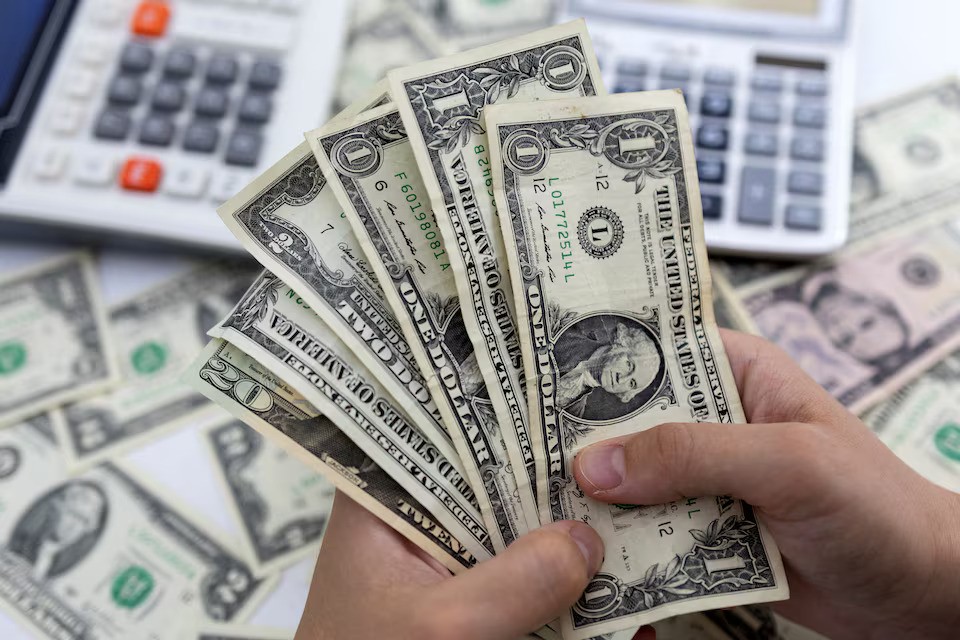
The U.S. dollar remained relatively unchanged on Wednesday, following a dip to a two-week low earlier in the day, as investors awaited definitive announcements regarding President Donald Trump's tariff plans.
On Tuesday, Trump indicated that his administration is considering a 10% tariff on goods imported from China, set to take effect on February 1. He also mentioned potential levies of around 25% on imports from Mexico and Canada, while promising duties on European imports without providing further details.
After reaching a more than two-year high of 110.17 yen last week, largely driven by anticipation of these tariffs, the dollar has shown signs of a reversal. It has declined approximately 1.2% this week and has fallen in five of the last seven trading sessions. Brad Bechtel, global head of FX at Jefferies in New York, noted, "We were due for some sort of correction, and the fact that we didn't get any big bang on tariffs day one kind of sparked that profit-taking."
The dollar index, which measures the greenback against a basket of currencies, rose slightly by 0.01% to 108.14 after dipping to 107.75, its lowest level since January 6. The euro, meanwhile, was down 0.08% at $1.0421. Comments from multiple European Central Bank (ECB) policymakers on Wednesday supported the likelihood of further rate cuts, suggesting that a reduction next week is almost certain, with additional cuts likely even if the U.S. Federal Reserve adopts a more cautious approach.
Market expectations indicate a roughly 96% chance of at least a 25 basis point cut from the ECB at its upcoming policy meeting, according to LSEG data.
On Monday, Trump signed a broad trade memorandum directing federal agencies to conduct comprehensive reviews of various trade issues by April 1, a date many market participants believe will be crucial for revealing his tariff plans.
Additionally, on Wednesday, Trump stated that he would impose new tariffs as part of his sanctions threat against Russia if the country fails to reach a deal to end its war in Ukraine. He also mentioned that these tariffs could extend to "other participating countries." In response, the Russian rouble was up 0.25% against the dollar, trading at 99.246 per dollar.
As the market awaits further clarity on tariffs and central bank decisions, the dollar's movements reflect a cautious sentiment among investors navigating the evolving economic landscape.