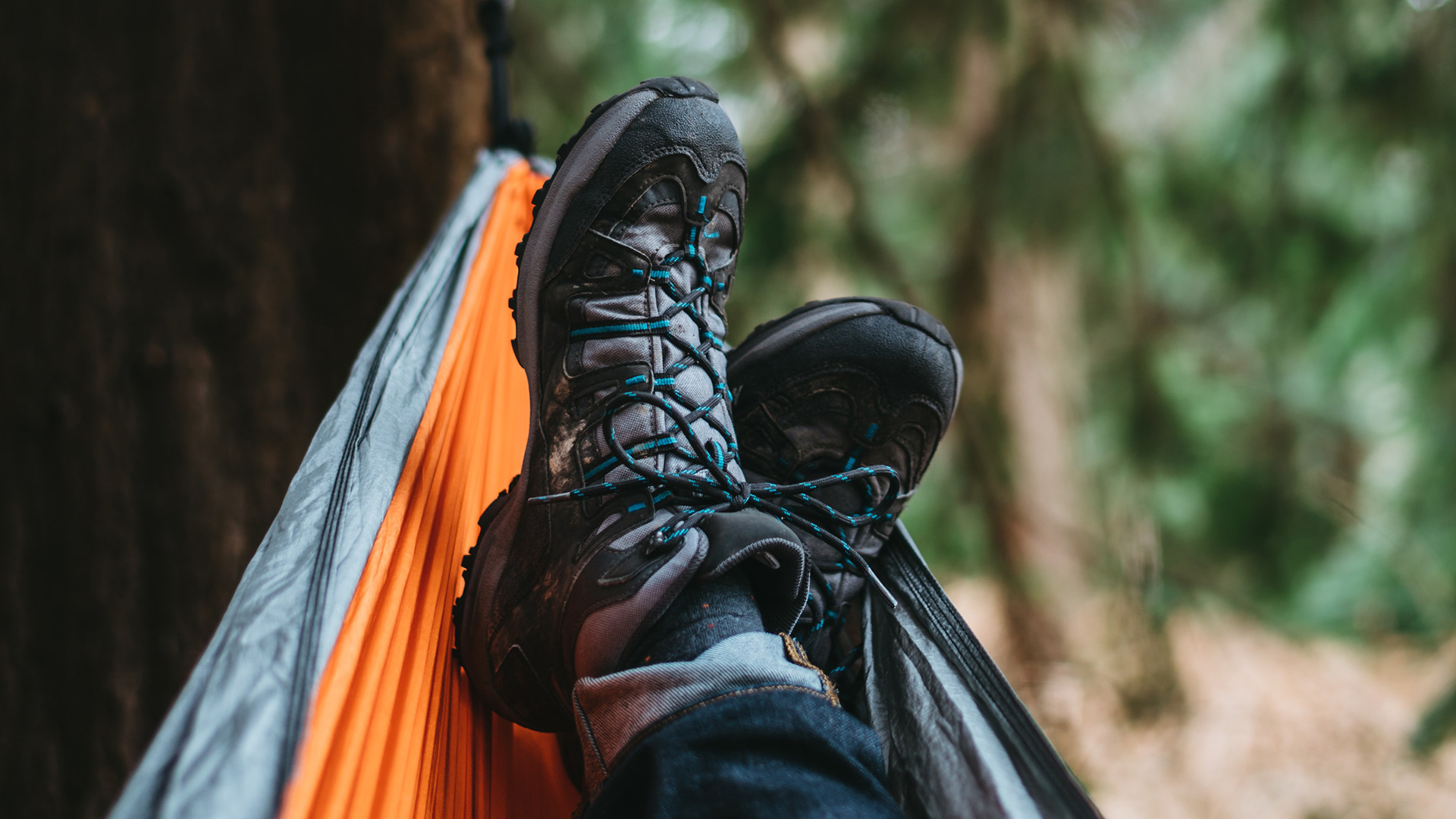
Do hiking boots make a difference?

Assuming you already have some vaguely walking-appropriate footwear in your cupboard, shelling out for a bulky and probably fairly expensive pair of hiking boots can feel unnecessary. Do hiking boots really make a difference? The answer, in many cases, is yes. For example, if you're tackling rugged or unstable terrain, or walking long hours while wearing a heavy backpack, you really should be wearing a hiking boot.
WHAT SITUATIONS DO I NEED HIKING BOOTS FOR?
One big benefit between a dedicated walking boot and a more general outdoorsy shoe is the ankle support. Most boots will have extra lace-holes designed to lock in your ankle securely and prevent you from twisting your foot on uneven terrain – a real danger when tiredness sets in and focus starts to wane. It also protects your ankle from bashing into rocks, of course.
Another big benefit is the extra stability offered by a hiking boot. If you're taking on any route that requires you to jam your foot into gaps between rocks or dig in your heel on a slippery or steep descent, a solid boot with a stiff sole is essential tool.
Consider also durability. Hiking boots are typically built to last, and withstand plenty of bashing around in situations where fashion-focused footwear won't be able to cope for long. You can also throw waterproofing into that mix (although many walking shoes now also offer this).
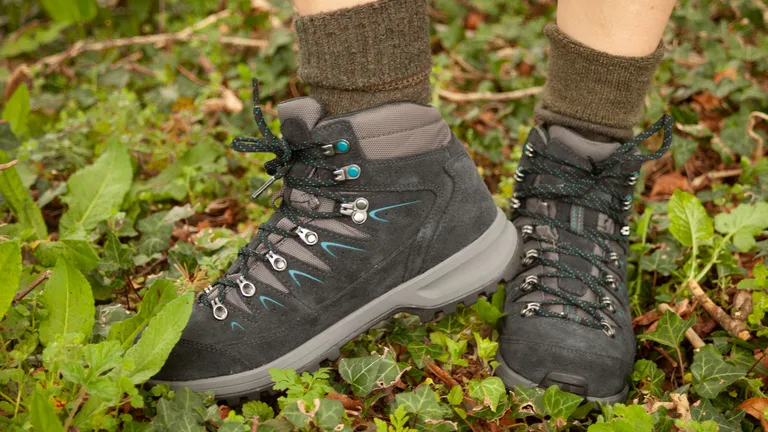
Hopefully by now, the benefits of hiking boots are pretty clear. However, let's say you accidentally end up on a hike and you're wearing your everyday trainers. Is it the end of the world? Realistically, probably not. Assuming you avoid injury (bashing a toe, twisting an ankle, slipping over due to lack of grip... you know, the kind of things that boots are designed to protect against), it's probably not going to do any lasting damage. But if you're in any way keen on the types of walking we've outlined above, a hiking boot is a really solid investment. Read More...