Home Upload Photo Upload Videos Write a Blog Analytics Messaging Streaming Create Adverts Creators Program
Bebuzee Afghanistan Bebuzee Albania Bebuzee Algeria Bebuzee Andorra Bebuzee Angola Bebuzee Antigua and Barbuda Bebuzee Argentina Bebuzee Armenia Bebuzee Australia Bebuzee Austria Bebuzee Azerbaijan Bebuzee Bahamas Bebuzee Bahrain Bebuzee Bangladesh Bebuzee Barbados Bebuzee Belarus Bebuzee Belgium Bebuzee Belize Bebuzee Benin Bebuzee Bhutan Bebuzee Bolivia Bebuzee Bosnia and Herzegovina Bebuzee Botswana Bebuzee Brazil Bebuzee Brunei Bebuzee Bulgaria Bebuzee Burkina Faso Bebuzee Burundi Bebuzee Cabo Verde Bebuzee Cambodia Bebuzee Cameroon Bebuzee Canada Bebuzee Central African Republic Bebuzee Chad Bebuzee Chile Bebuzee China Bebuzee Colombia Bebuzee Comoros Bebuzee Costa Rica Bebuzee Côte d'Ivoire Bebuzee Croatia Bebuzee Cuba Bebuzee Cyprus Bebuzee Czech Republic Bebuzee Democratic Republic of the Congo Bebuzee Denmark Bebuzee Djibouti Bebuzee Dominica Bebuzee Dominican Republic Bebuzee Ecuador Bebuzee Egypt Bebuzee El Salvador Bebuzee Equatorial Guinea Bebuzee Eritrea Bebuzee Estonia Bebuzee Eswatini Bebuzee Ethiopia Bebuzee Fiji Bebuzee Finland Bebuzee France Bebuzee Gabon Bebuzee Gambia Bebuzee Georgia Bebuzee Germany Bebuzee Ghana Bebuzee Greece Bebuzee Grenada Bebuzee Guatemala Bebuzee Guinea Bebuzee Guinea-Bissau Bebuzee Guyana Bebuzee Haiti Bebuzee Honduras Bebuzee Hong Kong Bebuzee Hungary Bebuzee Iceland Bebuzee India Bebuzee Indonesia Bebuzee Iran Bebuzee Iraq Bebuzee Ireland Bebuzee Israel Bebuzee Italy Bebuzee Jamaica Bebuzee Japan Bebuzee Jordan Bebuzee Kazakhstan Bebuzee Kenya Bebuzee Kiribati Bebuzee Kuwait Bebuzee Kyrgyzstan Bebuzee Laos Bebuzee Latvia Bebuzee Lebanon Bebuzee Lesotho Bebuzee Liberia Bebuzee Libya Bebuzee Liechtenstein Bebuzee Lithuania Bebuzee Luxembourg Bebuzee Madagascar Bebuzee Malawi Bebuzee Malaysia Bebuzee Maldives Bebuzee Mali Bebuzee Malta Bebuzee Marshall Islands Bebuzee Mauritania Bebuzee Mauritius Bebuzee Mexico Bebuzee Micronesia Bebuzee Moldova Bebuzee Monaco Bebuzee Mongolia Bebuzee Montenegro Bebuzee Morocco Bebuzee Mozambique Bebuzee Myanmar Bebuzee Namibia Bebuzee Nauru Bebuzee Nepal Bebuzee Netherlands Bebuzee New Zealand Bebuzee Nicaragua Bebuzee Niger Bebuzee Nigeria Bebuzee North Korea Bebuzee North Macedonia Bebuzee Norway Bebuzee Oman Bebuzee Pakistan Bebuzee Palau Bebuzee Panama Bebuzee Papua New Guinea Bebuzee Paraguay Bebuzee Peru Bebuzee Philippines Bebuzee Poland Bebuzee Portugal Bebuzee Qatar Bebuzee Republic of the Congo Bebuzee Romania Bebuzee Russia Bebuzee Rwanda Bebuzee Saint Kitts and Nevis Bebuzee Saint Lucia Bebuzee Saint Vincent and the Grenadines Bebuzee Samoa Bebuzee San Marino Bebuzee São Tomé and Príncipe Bebuzee Saudi Arabia Bebuzee Senegal Bebuzee Serbia Bebuzee Seychelles Bebuzee Sierra Leone Bebuzee Singapore Bebuzee Slovakia Bebuzee Slovenia Bebuzee Solomon Islands Bebuzee Somalia Bebuzee South Africa Bebuzee South Korea Bebuzee South Sudan Bebuzee Spain Bebuzee Sri Lanka Bebuzee Sudan Bebuzee Suriname Bebuzee Sweden Bebuzee Switzerland Bebuzee Syria Bebuzee Taiwan Bebuzee Tajikistan Bebuzee Tanzania Bebuzee Thailand Bebuzee Timor-Leste Bebuzee Togo Bebuzee Tonga Bebuzee Trinidad and Tobago Bebuzee Tunisia Bebuzee Turkey Bebuzee Turkmenistan Bebuzee Tuvalu Bebuzee Uganda Bebuzee Ukraine Bebuzee United Arab Emirates Bebuzee United Kingdom Bebuzee Uruguay Bebuzee Uzbekistan Bebuzee Vanuatu Bebuzee Venezuela Bebuzee Vietnam Bebuzee World Wide Bebuzee Yemen Bebuzee Zambia Bebuzee Zimbabwe
Blog Image

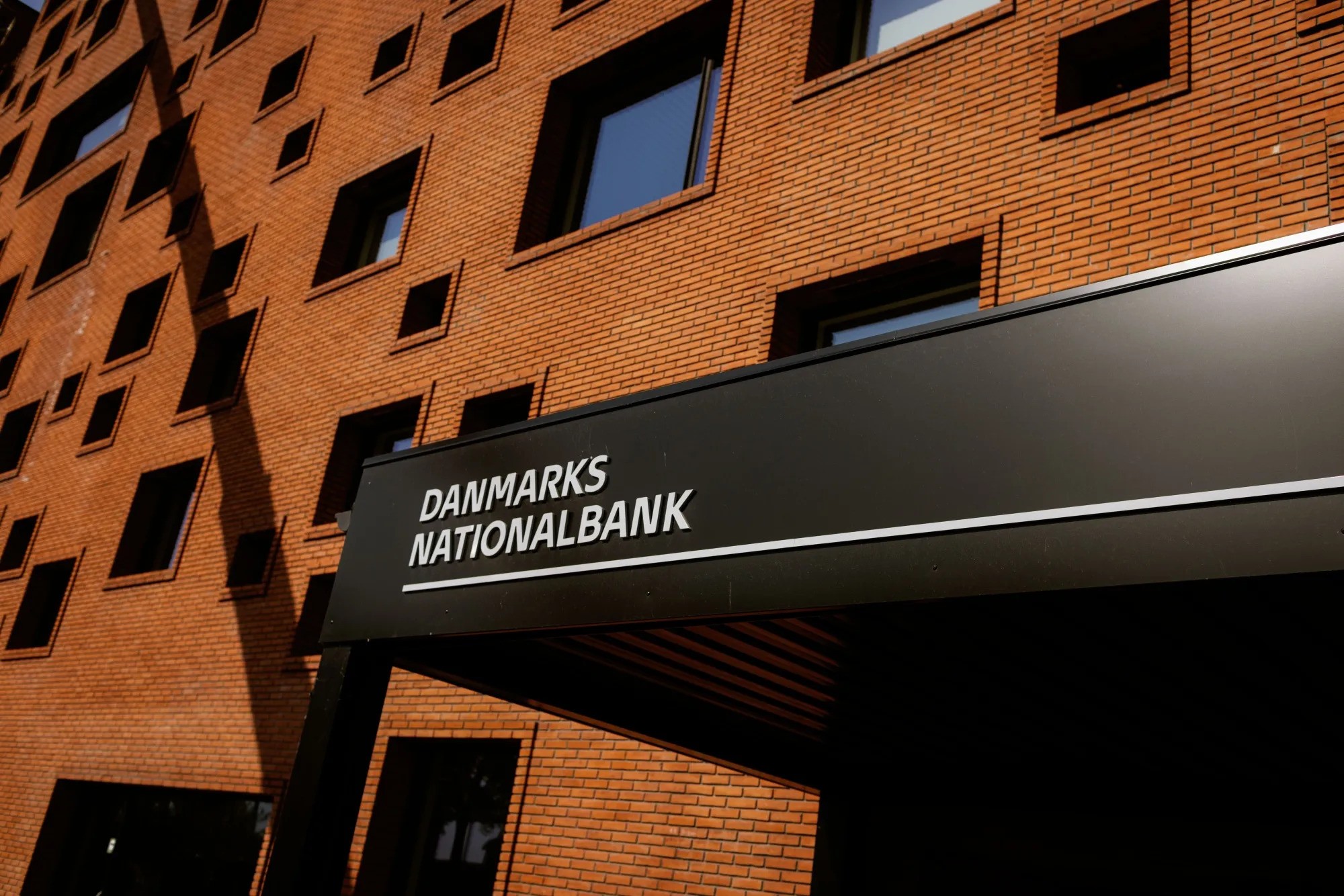
Denmark’s Central Bank Cuts Key Interest Rate to 2.85%, Mirroring ECB

In a move that aligns with broader monetary policy trends in Europe, Denmark’s central bank, Danmarks Nationalbank, announced a reduction in its key policy interest rate by 25 basis points, bringing it down to 2.85%. This decision, made on Thursday, follows the European Central Bank’s (ECB) earlier announcement to lower euro zone rates, reflecting a coordinated approach to monetary policy in response to changing economic conditions.

The Danish central bank stated, “The interest rate reduction is a consequence of the reduction by the European Central Bank of its main monetary policy rate, the deposit facility rate, by 0.25 percentage point.” This adjustment ensures that the monetary policy spread between Denmark and the euro area remains unchanged, maintaining stability in the financial landscape.

One of the primary mandates of Danmarks Nationalbank is to uphold the stability of the Danish krone against the euro. The central bank employs various tools, including currency interventions and interest rate adjustments, to achieve this goal. By mirroring the ECB’s rate cut, the Danish central bank aims to maintain this stability while also responding to the evolving economic environment.

In addition to the key policy rate, Denmark’s benchmark current account interest rate and the certificate of deposit rate were both reduced by 25 basis points to 2.85%, down from 3.10%. The lending rate also saw a decrease, dropping to 3% from 3.25%. These changes reflect a broader strategy to support economic activity amid shifting economic conditions.

The ECB’s decision to lower its deposit rate to 3.25% marks its third cut this year, driven by a recognition that inflation in the euro zone is becoming increasingly manageable, while the economic outlook has deteriorated. This context has prompted central banks across Europe, including Denmark, to adjust their monetary policies in a bid to foster economic stability and growth.

As the economic landscape continues to evolve, the coordinated actions of central banks highlight the interconnectedness of European economies. By aligning their interest rate policies, Denmark and the euro zone aim to navigate the challenges posed by inflation and economic uncertainty effectively.

Denmark’s decision to cut its key interest rate to 2.85% reflects a strategic response to the ECB’s monetary policy adjustments and underscores the central bank’s commitment to maintaining currency stability. As economic conditions shift, the alignment of interest rates across Europe may play a crucial role in shaping the region’s economic recovery and stability in the months ahead.

Previous Post

ISO 27701 Certification: Enhancing Privacy Information Management

Next Post

Bolivia’s Dollar Bonds Surge to One-Year High Amid Political Uncertainty

Comments