Croatia’s Border Disputes with Neighbours in Light of Schengen Entry
-
 Loading...
 - Zoey Barbeau
- 26 Jan 2023
- 73 Views
- 0 Like
- 0 Comment
As the day of the Croatian entry into Schengen area approaches, we take another look at the border disputes Croatia has with its neighbours.
(This is an updated article from the original back in 2016)
The total length of the land borders of Croatia is 2,370 km, and all of those borders will experience a change on January 1st, when Croatia joins Schengen: the borders to Slovenia (659 km) and Hungary (355 km) have been the outside borders of the Schengen area until now, and will become much less important now as Croatia joins the Agreement and all border controls within the Area are abolished. The borders to Croatia's other neighbors, the longest one to Bosnia and Herzegovina (1011 km) as well as to Serbia (326 km) and Montenegro (20 km) are set to become the outside borders of the Schengen area.
Among many problems which burden relations between republics of former Yugoslavia, one of the main issues are numerous border disputes which are a consequence of the fact that Yugoslavia, while having strictly defined borders with other countries, did not have precisely marked or defined borders among its constituent parts. That fact explains why Croatian relationship with Hungary is not burdened by yet another problem, unless you count the current Hungarian Prime Minister recently claiming most of the Croatian territory.
While the disputed areas between the former republics are usually relatively small, they represent a major headache for governments of now independent states, since they are under pressure from the media and voters not to compromise and “give away” an inch of supposedly their territory.
Slovenia
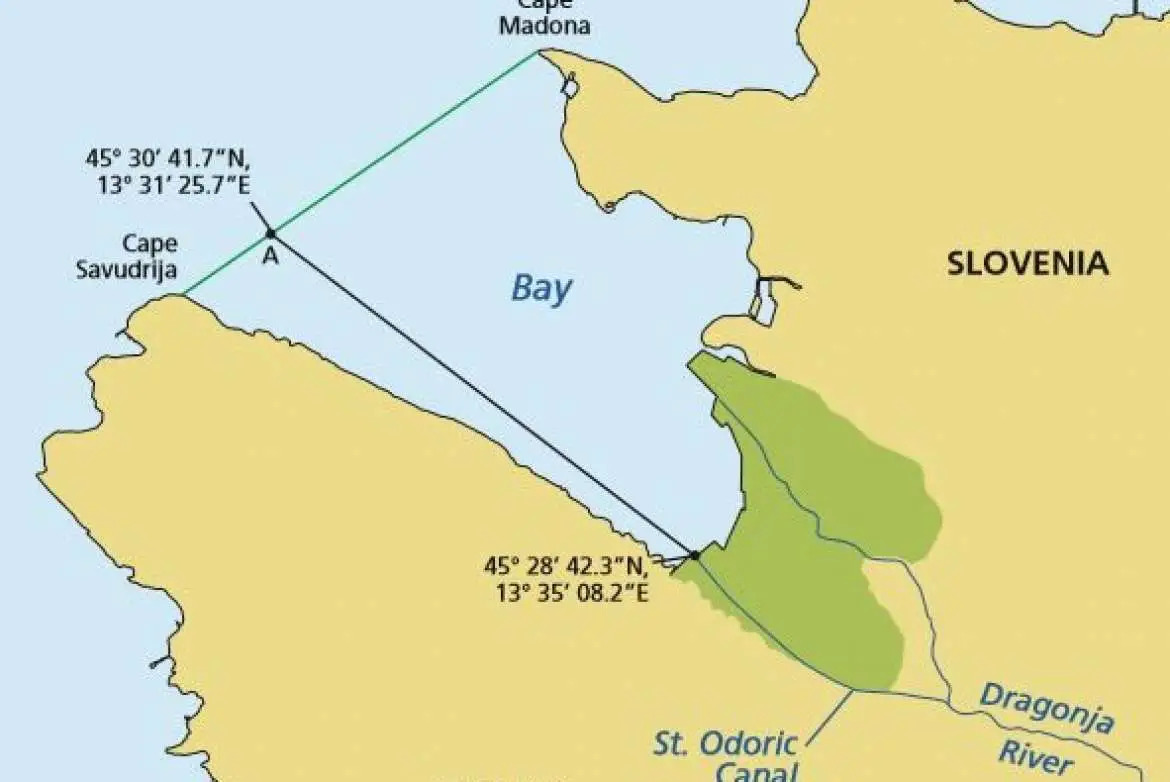
Border disputes with Slovenia and Croatia are certainly the most well-known of all. Not only do they burden the bilateral relations, but they even delayed the entry of Croatia in the European Union. The most important part of the dispute concerns the border at sea. At issue is whether the border should follow the middle line between Croatian and Slovenian coast (which would mean that Slovenian sea would border just Italy and Croatia), or should be drawn in a way which would allow Slovenia to reach international waters. The dispute has been unsolved since early 1990s, with occasional incidents at sea between police and fishermen’s boats. There were repeated attempts by the two governments to come to an agreement, but they would inevitably be impeded by pressure from the media and public against any compromise. Read More…