Croatia fights to save Croatia’s 34 bat species in unfavorable condition
-
 Loading...
 - Anselm Meyer
- 04 Sep 2024
- 52 Views
- 0 Like
- 0 Comment
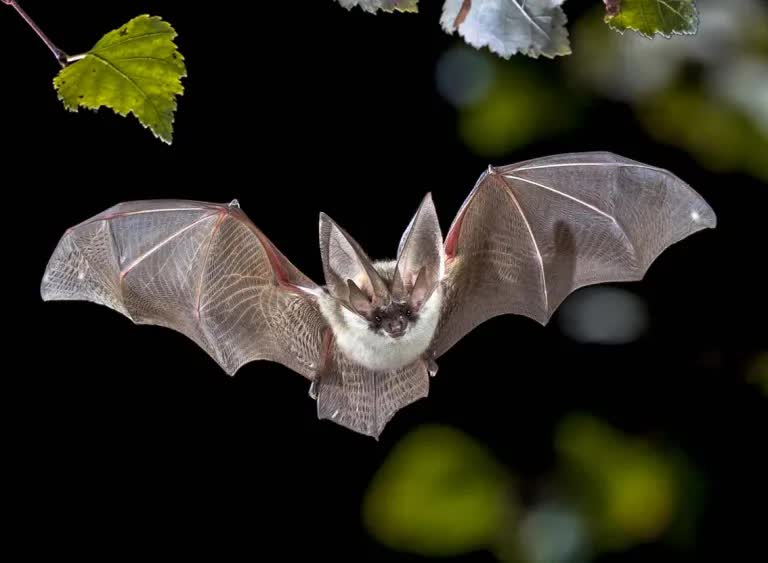
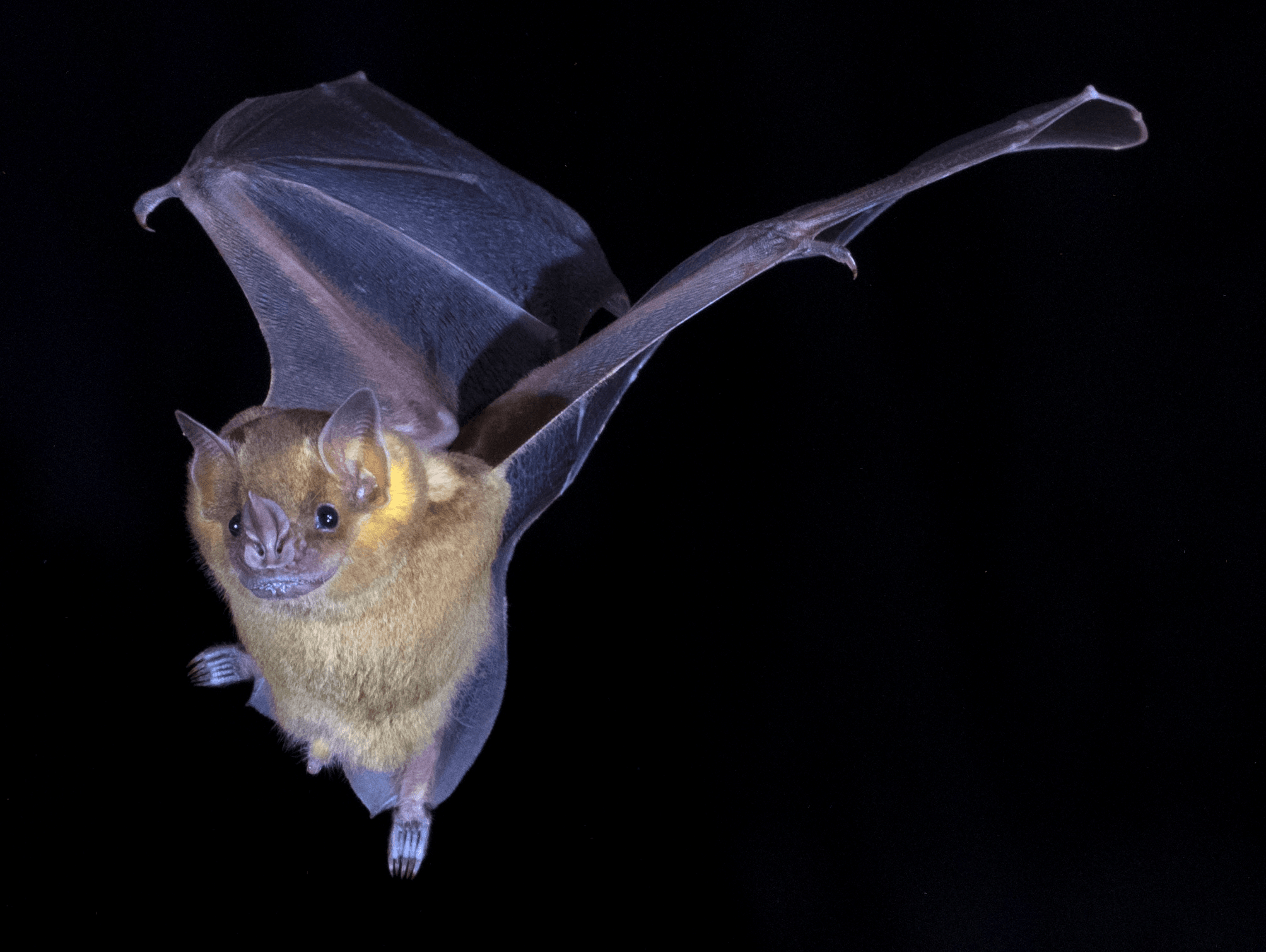
Croatia is home to an impressive diversity of bats, with 34 known species, possibly more, making it one of the most bat-rich countries in Europe. However, these bats face significant threats, and their conservation status is worrying. According to Croatia's Environmental Protection and Green Transition Ministry, most of these species are in an unfavorable state of preservation, reflecting broader challenges seen across the European Union.
International Bat Night, observed globally on the last weekend of August, aims to raise awareness about the importance of preserving bats, which are one of the most endangered groups of mammals in Europe. Croatia marked this occasion with events at the Zagreb Zoo, Medvednica Nature Park, and other national and nature parks across the country.
Croatia has committed to various international conventions and agreements focused on bat conservation. Under the EU's Habitats Directive, all bat species are protected, requiring member states to protect these populations and regularly assess their preservation status.
The first comprehensive assessment of bat preservation in Croatia took place in 2019, revealing that most species were in an unfavorable condition. This is consistent with the situation in other EU countries, where bats are struggling due to habitat loss, declining food sources, and other environmental pressures.
Bats play a crucial role in ecosystems, serving as natural insecticides by feeding on mosquitoes, flies, and moths. A single bat can consume around 1,000 insects in one night, making them vital for controlling pest populations in agriculture and forestry. Their presence is also an indicator of a healthy ecosystem, as a large number of bat species suggests that the environment is stable and resilient.
Despite their importance, bats are vulnerable due to their low reproductive rates, as most species give birth to only one pup per year, with a high mortality rate among the young. This slow population growth makes it difficult for bat species to recover from population declines.
In Croatia, all bat species are strictly protected by law, which prohibits hunting, killing, or disturbing them, particularly during sensitive periods such as breeding, hibernation, or migration. It is also illegal to damage or destroy their habitats.
The ministry emphasized the critical role bats play in both nature and human well-being, highlighting the need for continued and enhanced conservation efforts to protect these remarkable animals.