Congolese All-Female Music Band Empowers Women Against Patriarchy
-
 Loading...
 - Julius Arhin
- 19 Sep 2024
- 41 Views
- 0 Like
- 0 Comment
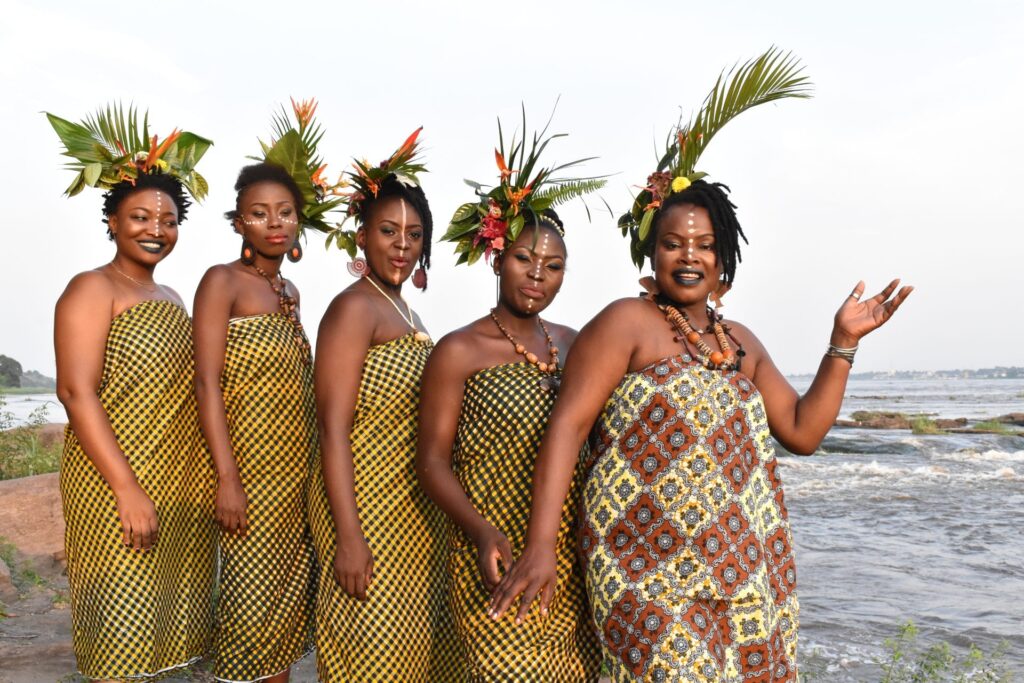
Les Mamans du Congo, an all-female quintet from Brazzaville in the Republic of Congo, is making waves with their unique sound and empowering message. The group was formed two years ago by singer Gladys Samba, also known as Mom Glad, with the goal of educating and empowering women in the local region while honoring cultural tradition and promoting gender equality.
Gladys Samba's vision for the group was to create a show that reflects the image of the African woman, specifically the Congolese woman. She drew inspiration from the traditional songs sung by women while working, and incorporated kitchen utensils into their performances as a symbol of their daily struggles.
Les Mamans du Congo's music is not only uplifting and positive but also carries a message of empowerment. The group has also created an association called Les Femmes au Foyer, a safe space for young mothers to learn about finances, healthcare, family planning, and other essential skills to achieve financial and true independence. The association has already made a significant impact on the community, with beneficiaries like Tombo Alida testifying to the positive changes it has brought to their lives.
One of the group's core missions is to challenge and transform elements of patriarchy towards the emancipation of all women in Congolese society. However, not everyone is aligned with their messaging, and some group members have faced threats and opposition from their husbands and families.
Despite the challenges, Les Mamans du Congo has enjoyed huge success both within the Congo and internationally, with African and European tours. The group is set to release their first single in late November and looks forward to going back on tour post-pandemic. They continue to give back to the community through music, food, and supply distribution.
Les Mamans du Congo's music and message are breaking barriers and inspiring change in their community. Their unique sound, which fuses traditional tunes with rap and Lari language, has made it easier for women to receive empowering messages and has highlighted the history of the local ethnic group. The group's determination to challenge patriarchy and promote gender equality is a beacon of hope for a more inclusive and equitable society.