Conclusion of an ambitious treaty for the protection of the high seas
-
 Loading...
 - Thomas Bourgeois
- 05 May 2023
- 64 Views
- 0 Like
- 0 Comment
Joint communique issued by the ministry for Europe and Foreign affairs and the office of the minister of state for marine affairs, attached to the prime minister
France welcomes the historic agreement reached today on the Treaty on the Conservation and Sustainable Use of Marine Biodiversity beyond Areas of National Jurisdiction, i.e. on the high seas (the so-called BBNJ process), at the fifth session of intergovernmental negotiations held at United Nations headquarters in New York from 20 February to 4 March 2023.
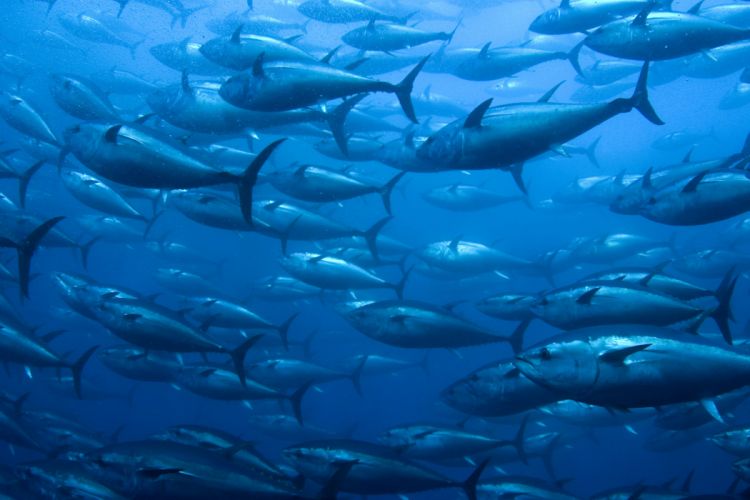
The oceans are one of the main reservoirs of biodiversity in the world; they are carbon sinks essential to climate regulation and therefore essential to our fight against climate disruption. They make up more than 90% of habitable space on the planet and are home to some 250,000 known species, as well as many as-yet unknown species.
A historic treaty for the protection of marine biodiversity on the high seas
A few months after an agreement was adopted at Biodiversity COP15 to protect 30% of land and sea by 2030, the adoption of a treaty on the conservation and sustainable use of marine biodiversity on the high seas is a key step towards protecting the ocean and its biodiversity and enabling its resources to be shared fairly. The purpose of the treaty is to develop a legally-binding international instrument to strengthen the governance of the high seas and establish the tools necessary for effective protection of the ocean and sustainable use of its resources.
It paves the way for some essential and unprecedented steps forward:
- the creation of marine protected areas on the high seas;
- obligations for States to assess the environmental impact of new activities they are planning on the high seas;
- fair and equitable sharing of the benefits of discoveries made in the oceans which could be decisive for science, technology or medicine;
- strengthening developing States’ capacity for scientific research and their ability to ensure good governance of marine areas. Read More…