Home Upload Photo Upload Videos Write a Blog Analytics Messaging Streaming Create Adverts Creators Program
Bebuzee Afghanistan Bebuzee Albania Bebuzee Algeria Bebuzee Andorra Bebuzee Angola Bebuzee Antigua and Barbuda Bebuzee Argentina Bebuzee Armenia Bebuzee Australia Bebuzee Austria Bebuzee Azerbaijan Bebuzee Bahamas Bebuzee Bahrain Bebuzee Bangladesh Bebuzee Barbados Bebuzee Belarus Bebuzee Belgium Bebuzee Belize Bebuzee Benin Bebuzee Bhutan Bebuzee Bolivia Bebuzee Bosnia and Herzegovina Bebuzee Botswana Bebuzee Brazil Bebuzee Brunei Bebuzee Bulgaria Bebuzee Burkina Faso Bebuzee Burundi Bebuzee Cabo Verde Bebuzee Cambodia Bebuzee Cameroon Bebuzee Canada Bebuzee Central African Republic Bebuzee Chad Bebuzee Chile Bebuzee China Bebuzee Colombia Bebuzee Comoros Bebuzee Costa Rica Bebuzee Côte d'Ivoire Bebuzee Croatia Bebuzee Cuba Bebuzee Cyprus Bebuzee Czech Republic Bebuzee Democratic Republic of the Congo Bebuzee Denmark Bebuzee Djibouti Bebuzee Dominica Bebuzee Dominican Republic Bebuzee Ecuador Bebuzee Egypt Bebuzee El Salvador Bebuzee Equatorial Guinea Bebuzee Eritrea Bebuzee Estonia Bebuzee Eswatini Bebuzee Ethiopia Bebuzee Fiji Bebuzee Finland Bebuzee France Bebuzee Gabon Bebuzee Gambia Bebuzee Georgia Bebuzee Germany Bebuzee Ghana Bebuzee Greece Bebuzee Grenada Bebuzee Guatemala Bebuzee Guinea Bebuzee Guinea-Bissau Bebuzee Guyana Bebuzee Haiti Bebuzee Honduras Bebuzee Hong Kong Bebuzee Hungary Bebuzee Iceland Bebuzee India Bebuzee Indonesia Bebuzee Iran Bebuzee Iraq Bebuzee Ireland Bebuzee Israel Bebuzee Italy Bebuzee Jamaica Bebuzee Japan Bebuzee Jordan Bebuzee Kazakhstan Bebuzee Kenya Bebuzee Kiribati Bebuzee Kuwait Bebuzee Kyrgyzstan Bebuzee Laos Bebuzee Latvia Bebuzee Lebanon Bebuzee Lesotho Bebuzee Liberia Bebuzee Libya Bebuzee Liechtenstein Bebuzee Lithuania Bebuzee Luxembourg Bebuzee Madagascar Bebuzee Malawi Bebuzee Malaysia Bebuzee Maldives Bebuzee Mali Bebuzee Malta Bebuzee Marshall Islands Bebuzee Mauritania Bebuzee Mauritius Bebuzee Mexico Bebuzee Micronesia Bebuzee Moldova Bebuzee Monaco Bebuzee Mongolia Bebuzee Montenegro Bebuzee Morocco Bebuzee Mozambique Bebuzee Myanmar Bebuzee Namibia Bebuzee Nauru Bebuzee Nepal Bebuzee Netherlands Bebuzee New Zealand Bebuzee Nicaragua Bebuzee Niger Bebuzee Nigeria Bebuzee North Korea Bebuzee North Macedonia Bebuzee Norway Bebuzee Oman Bebuzee Pakistan Bebuzee Palau Bebuzee Panama Bebuzee Papua New Guinea Bebuzee Paraguay Bebuzee Peru Bebuzee Philippines Bebuzee Poland Bebuzee Portugal Bebuzee Qatar Bebuzee Republic of the Congo Bebuzee Romania Bebuzee Russia Bebuzee Rwanda Bebuzee Saint Kitts and Nevis Bebuzee Saint Lucia Bebuzee Saint Vincent and the Grenadines Bebuzee Samoa Bebuzee San Marino Bebuzee São Tomé and Príncipe Bebuzee Saudi Arabia Bebuzee Senegal Bebuzee Serbia Bebuzee Seychelles Bebuzee Sierra Leone Bebuzee Singapore Bebuzee Slovakia Bebuzee Slovenia Bebuzee Solomon Islands Bebuzee Somalia Bebuzee South Africa Bebuzee South Korea Bebuzee South Sudan Bebuzee Spain Bebuzee Sri Lanka Bebuzee Sudan Bebuzee Suriname Bebuzee Sweden Bebuzee Switzerland Bebuzee Syria Bebuzee Taiwan Bebuzee Tajikistan Bebuzee Tanzania Bebuzee Thailand Bebuzee Timor-Leste Bebuzee Togo Bebuzee Tonga Bebuzee Trinidad and Tobago Bebuzee Tunisia Bebuzee Turkey Bebuzee Turkmenistan Bebuzee Tuvalu Bebuzee Uganda Bebuzee Ukraine Bebuzee United Arab Emirates Bebuzee United Kingdom Bebuzee Uruguay Bebuzee Uzbekistan Bebuzee Vanuatu Bebuzee Venezuela Bebuzee Vietnam Bebuzee World Wide Bebuzee Yemen Bebuzee Zambia Bebuzee Zimbabwe
Blog Image

Comes naturally? Using stick insects, scientists explore natural selection, predictability

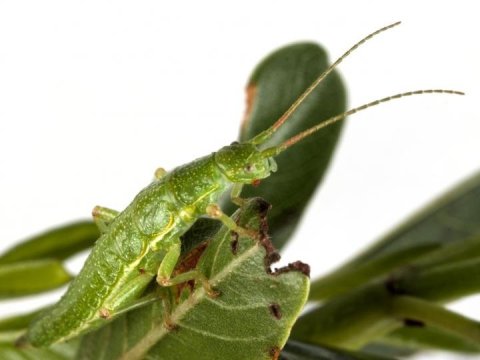
A green morph of the Timema genus of stick insects. Credit: Moritz Muschick

Is evolution predictable? Are changes in a species random or do they happen because of natural selection?

"Evolution often appears random, even when driven by the deterministic process of natural selection, because we just aren't aware of all the environmental fluctuations and other factors taking place that drive change," says Utah State University biologist Zach Gompert. "If we had a better understanding of the mechanisms at play, we might have a better picture of evolutionary change and its predictability."

Gompert, with colleagues Patrick Nosil, Romain Villoutreix, Clarissa de Carvalho and Victor Soria-Carracso of England's University of Sheffield, along with Timothy Farkas of the University of Connecticut, Jeffrey Feder of the University of Notre Dame and Bernard Crespi of Canada's Simon Fraser University, explored these questions and report findings in the Feb. 16, 2018, issue of the journal Science.

The research was supported by a European Research Council grant and a Canadian Natural Sciences and Engineering Research Council grant, along with computational resources from the University of Utah Center for High?Performance Computing.

Gompert and colleagues used data from the past to test their ideas of evolutionary predictability.

"We used a rare and unique data set of 25 years of field data documenting the evolution of cryptic body coloration in terms of frequencies of three 'morphs' -- flavors, if you will -- of stick insects," says Gompert, assistant professor in USU's Department of Biology and the USU Ecology Center. "Using the first 10?15 years of the data, we tried predicting, or forecasting, the changes that would occur in the subsequent years of the data."

The three morphs are green, green with a white stripe and 'melanistic' or dark brown.

"These insects are cryptic, meaning they visually blend into their surroundings to hide from hungry predators," Gompert says.

Both types of the green stick insects live on green foliage, while the brown insects live on brown stems.

How close did the team's predictions match up to the collected data? Really close for the green versus green?striped morphs, but rather poorly for the melanistic morph, he says.

Using genomic analysis, the scientists were able to show, in both cases, the deterministic process of selection was the likely cause of evolutionary change.

"With the green versus green?striped morphs, the cause of selection was simple and well understood facilitation of predictability," Gompert says. "In contrast, with the melanistic morph, natural selection was more complex and tied to variation in weather and climate, making it harder to predict from past patterns of change."

The scientists compared their results to better known studies, including Darwin's finches and the scarlet tiger moth, both of which were also not very predictable.

"Our findings support previous discoveries and suggest evolution of morph frequencies in these stick insects is indeed a result of selection," Gompert says. "They also suggest poor predictability of environmental variation and how it affects selection, rather than random evolutionary processes, might be the main limits on predicting evolution."

While we can use the past to predict change, he says, we're constrained by our lack of knowledge of the future and complex ecological processes that contribute to change.

Previous Post

Medical care for wounded ants

Next Post

For tropical forest birds, old neighborhoods matter

Comments