Colombia Could See Big Changes in Petro's First 100 Days
-
 Loading...
 - Santos Lima
- 12 Sep 2022
- 67 Views
- 0 Like
- 0 Comment
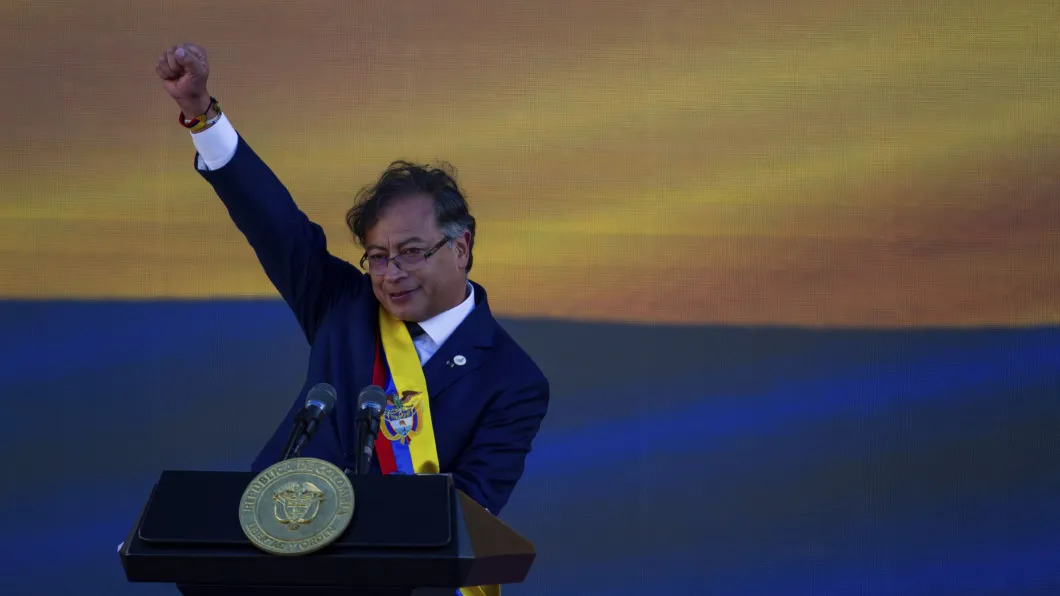
There are three extreme scenarios for the administration of Colombia’s newly minted president, Gustavo Petro, who took office on Aug. 7.
The first is an optimistic one, mostly envisioned by those on the left, in which the first leftist president of Colombia uses his office as an opportunity to bring about historic change to the country. He would achieve accountability for past injustices, implement new peace deals that lead to sustainable security and reframe Colombia’s economic system to make it more inclusive and prosperous for everyone—not just the elite.
The other two scenarios are more pessimistic. There is an apocalyptic scenario, mostly predicted by commentators on the right, in which Petro attempts to consolidate power and implement some form of socialism that destroys Colombia’s current economic model. The people who believe this is what awaits the country see Venezuela’s collapse as a warning for what could happen to Colombia under a left-wing administration. They point to Petro’s previous positive comments about former Venezuelan President Hugo Chavez and his ideological project, chavismo, as proof that Petro plans to govern like his late neighbor.
And finally, there is a less pessimistic but still negative scenario in which Petro ends up constrained by geopolitics and domestic checks on his authority. His plans to reduce fossil fuel extraction and expand subsidies leave a gaping hole in the budget. At the same time, global inflation and recession that are outside of his control, coupled with security challenges that precede his administration, eat away at his public approval. A divided Congress eventually turns against him, while the Supreme Court attempts to overturn any of his executive decrees that its justices believe go too far. All of this eventually leads to an administration stuck in gridlock, and very little gets accomplished.
This third scenario is the most likely to occur over the coming years, but the first 100 days of any administration should always be a moment for optimism. Even if the Colombian political system is doomed to hit gridlock later in his term, the country’s new president has a few months to get two or three top agenda items successfully checked off his list and to start their implementation.
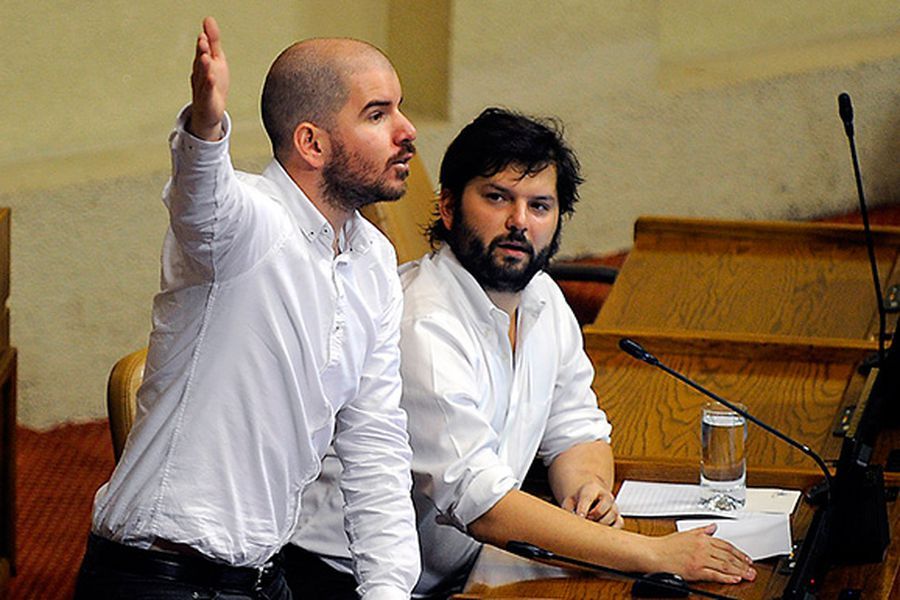
Nearly every president gets this kind of honeymoon period. While “the first 100 days” is an arbitrary cliche number, it’s probably close to correct in this case. Latin American leaders get short honeymoons these days, given all the problems they face. Just look at Chile’s Gabriel Boric, whose popularity is below 40 percent less than six months into his term as he struggles with security challenges. Petro, similarly, won’t get the luxury of six months of on-the-job training. By March, it’s all but assured that he’ll be facing crises, whether self-imposed or from external forces, as well as a more critical public and Congress. Read More...