Climate change favors “flash droughts”
-
 Loading...
 - Okland Ragnar
- 17 May 2023
- 78 Views
- 0 Like
- 0 Comment
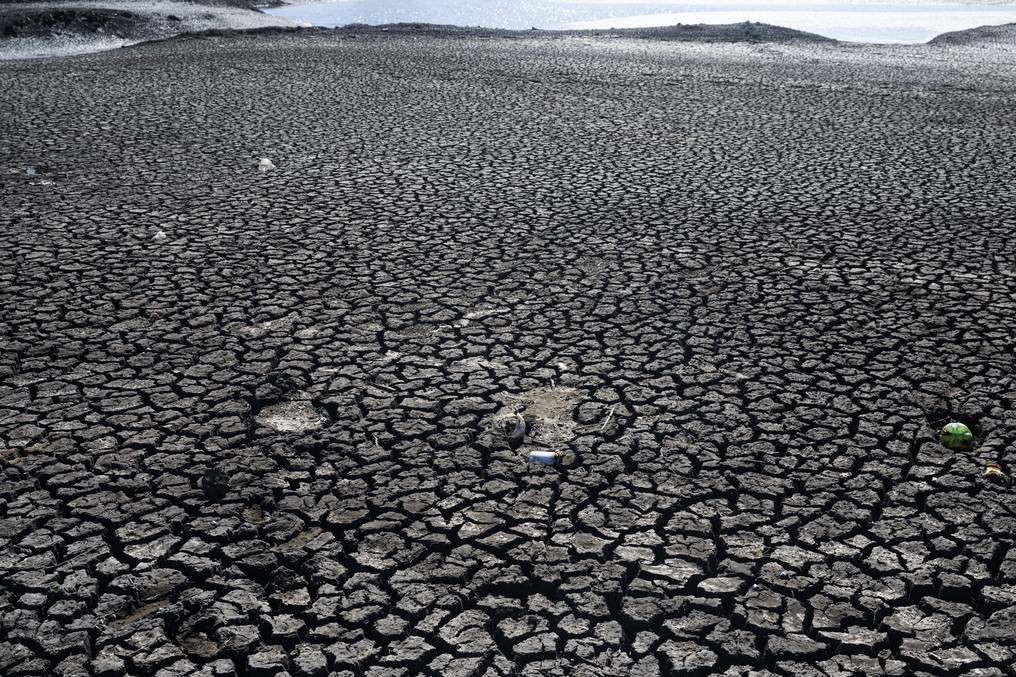
A study published recently issues a warning about the escalating frequency of "flash droughts," which are becoming more unpredictable and challenging to adapt to due to human-induced climate change.
While droughts are typically seen as long-term events, some can emerge abruptly within a matter of weeks under specific circumstances. Climate change exacerbates these conditions, leading to reduced precipitation in certain areas and increased evaporation due to higher temperatures, resulting in quicker soil dehydration.
The study, published in the journal Science, involved an analysis of satellite observations and soil moisture data spanning over 60 years, from 1951 to 2014.
Lead author Xing Yuan, a professor of information sciences and technology at the University of China, emphasized that flash droughts are progressively on the rise in Europe, North and East Asia, the Sahel region, and along the west coast of South America. These rapid-onset droughts are perilous as they offer minimal time for preparation.
Additionally, the research reveals an overall increase in the frequency of traditional droughts across most regions, which tend to manifest more rapidly. Yuan suggests a definitive shift from gradual droughts to flash droughts.
Cautioning
Using climate models, scientists assessed the potential impact of different greenhouse gas emission scenarios on flash droughts.
Even with moderate emissions, the trend of increasing flash droughts is expected to persist worldwide. If emission levels remain high, this trend will intensify further. Yuan stated that reducing emissions could potentially slow down this transition to a greater prevalence of flash droughts.
The concept of flash droughts emerged in the early 21st century, but it gained significant attention after the rapidly occurring drought in the United States during the summer of 2021, resulting in over $30 billion in losses.
David Walker, a researcher at Wageningen University in the Netherlands, who was not involved in the study, stressed the importance of taking the study's warning seriously. Walker noted that low-income countries are disproportionately affected by flash droughts, with populations lacking the resources to cope with such extreme weather events, as mentioned in a commentary in Science.
The severity of the impact on crops largely depends on the timing of the drought. Currently, drought mapping is published on a monthly basis, but Walker highlights the need for drought detection methods that operate on shorter time scales to anticipate and predict these phenomena effectively.