Christmas Traditions in Norway
-
 Loading...
 - Susan McCartney
- 14 Dec 2021
- 448 Views
- 0 Like
- 0 Comment
Regardless of your religious beliefs, Christmas is a special time for so many people around the world. It's a chance to stop working and spend time with family.
Of course, this year's Christmas celebrations are going to be very different. But that doesn't mean we can't keep some of the best traditions alive!
Whether this is your first or fiftieth Christmas in Norway or you're looking to incorporate a touch of Scandinavia into your own festive celebrations, I hope this article inspires you to do something a little different this year.
A Norwegian Christmas
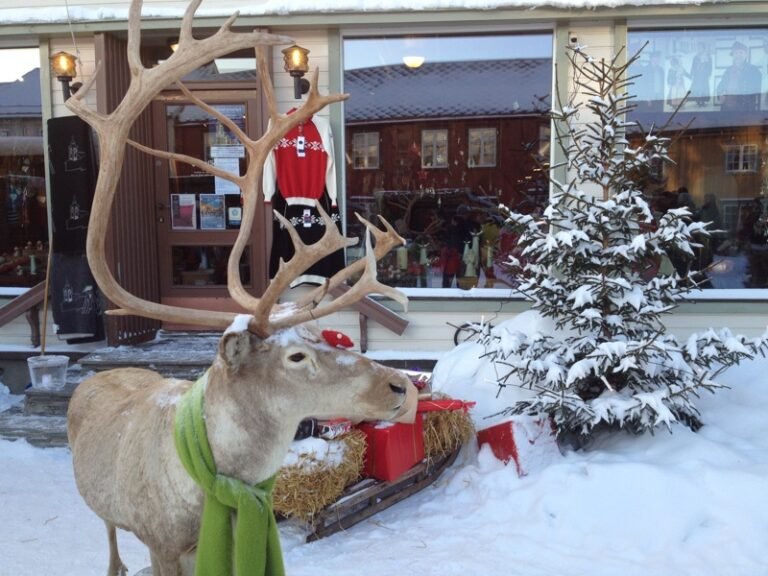
Most people outside of Norway think Christmas time here must be really magical, winter markets, snow everywhere, colourful lights, reindeer strolling along the streets, and of course, Lapland is the home of Santa Claus, right?
The reality, as you shouldn't be surprised to learn, is quite different! Here are just some of the Norwegian Christmas traditions I've learned about over the last years.
Introducing Jul
The term jul is common throughout Scandinavia, referring to a period of time that lasts several weeks in total. That being said, most people use jul to refer to the week stretching from Christmas Eve to New Year's Eve.
The full jul period is made up of five phases: advent, julaften, romjul, nyttår, and epiphany. So, jul follows a Christian calendar but has retained several pre-Reformation and pre-Christian elements.
Some Christian traditions are also observed, such as Santa Lucia Day on 13th December. While the celebrations are not as notable as in Sweden, young Norwegian children often participate via their school or kindergarten.
When do Norwegians celebrate Christmas?
It sounds like a stupid question, right? Well, I grew up with 25th December as the focal point of Christmas. I know many of you will have, too. But here in Norway, the focal point of the celebration is very much the evening of the 24th December.
Julaften (Christmas Eve) is the day when presents are exchanged and the whole family gets together for the main Christmas meal. Christmas Day is a much quieter affair and often quite private.
This is followed by romjul. It's one of my favourite words in Norwegian as it's only six letters long yet we don't have an equivalent word in English! Simply put, it translates as: “that time between Christmas and New Year when no-one is really sure what they should be doing.”
Employees are often encouraged by their employers to take the period of romjul off as part of their annual leave. Some may give bonus days to reduce the amount of vacation days an employee needs to take from their annual allowance.
The Norwegian Santa Claus
First up folks, sorry to say but, there's no such thing as Santa Claus! But seriously, the real Santa Claus lives in Rovaniemi, Finland. The Santa Claus Village tells the story as follows:
When Santa Claus declared Rovaniemi as his hometown, he told how his home at Ear Mountain (Korvatunturi) was revealed at the beginning of the last century and how this closely guarded secret spread the world over. In order to retain the privacy of his secret location, the Elf folk decided to build a place where Santa could meet people from near and far at the Northern Arctic Circle.
But despite his home being so close, Santa Claus is not the most common Christmas icon here in Norway. That honour goes to julenisse.
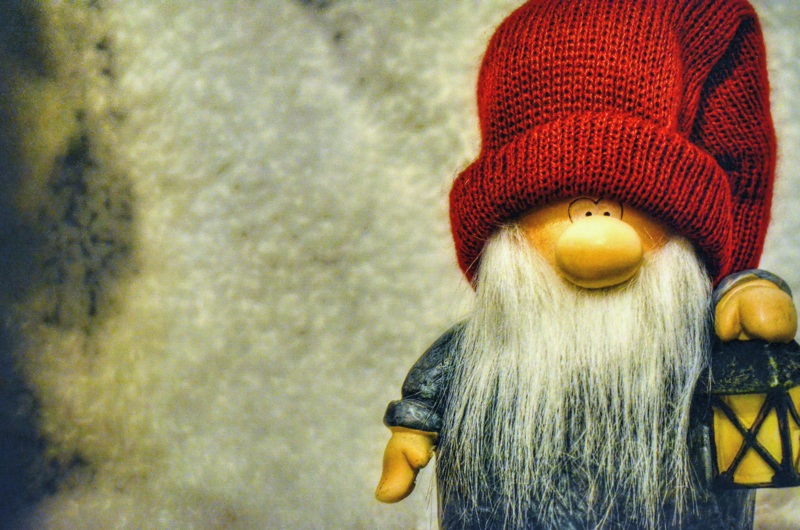
A creation from Scandinavian folklore, a nisse (tomte in Sweden) is a short creature with a long white beard and a red hat. Julenisse means the gift-bearing nisse at Christmas time. Sound familiar?
Christmas markets in Norway
The festivities tend to get going in the early part of December. That's when Christmas markets spring up in towns and cities across the city.
While snow is not guaranteed at this time of year in many places, you are pretty assured of chilly temperatures! That makes the spiced, mulled wine (gløgg) taste all the sweeter.
Stalls typically offer a selection of products from local craftspeople and artists. There's also a strong focus on food. This ranges from opportunities to buy local produce from farmers (meats, cheeses and gifts) to tucking into a reindeer burger in a tent by an open fire.
Julebord
Ah, the good old fashioned Norwegian Christmas party! Every company, school, sports club and social group hold their own julebord (literally ‘Christmas table').

Partners are usually welcome. That means that most Norwegians will attend two or more of these events during December, or possibly even in late November.
These communal gatherings are an important part of Norwegian culture. Traditional food (more on that later!) is often served. Large amounts of alcohol are consumed and normally followed up with a late-night party (with the exception of school julebords of course!)
Curiously enough, while Norwegians normally dress fairly casually, the julebord is one of the rare occasions when they dress up in formal attire. If you're about to attend your first julebord, don't show up in jeans! Read More…