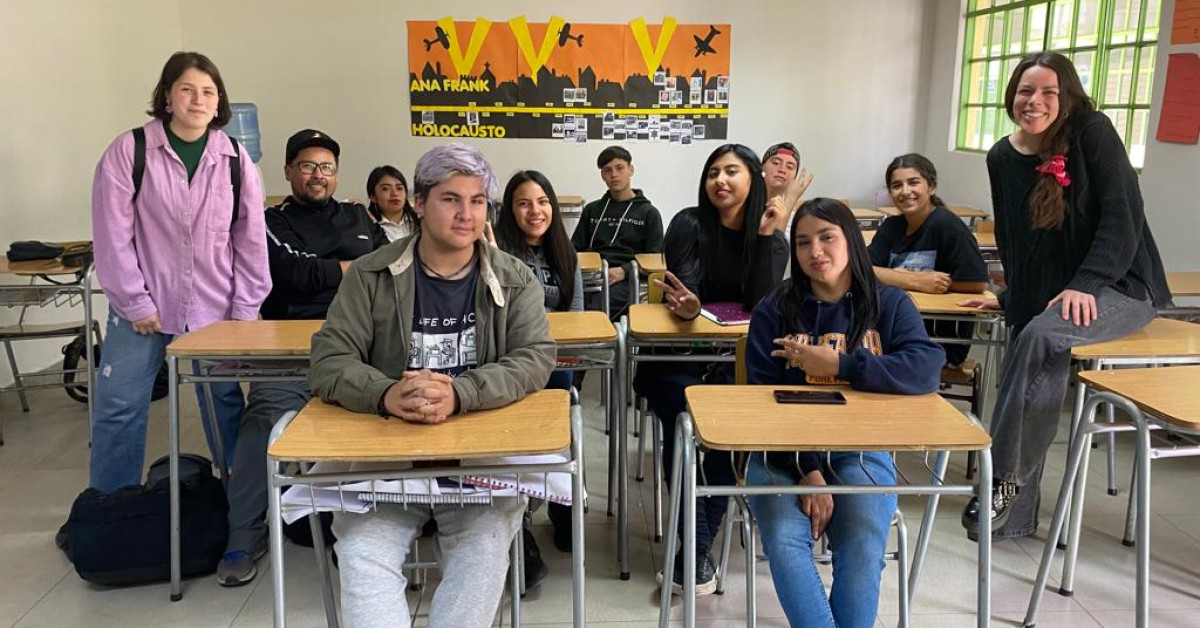
Chile's youth has a lot to say about the difficult issues of the past

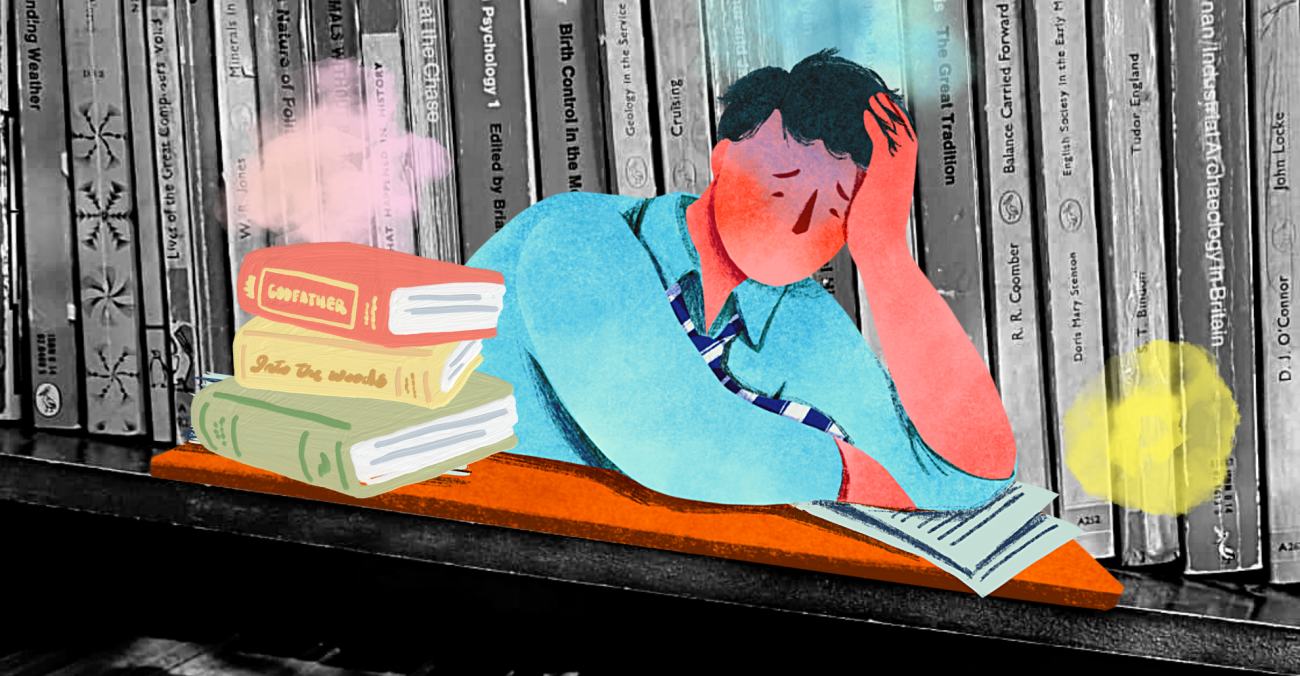
This teacher has been working for 10 years in highly vulnerable school contexts and 3 years in reintegration environments. Her day-to-day work takes place in a place where dropping out of school is a latent danger, a situation often linked to low academic self-esteem and "little sense of belonging to school and society in general.” They constantly feel excluded, which makes other areas such as crime and drug trafficking more attractive," says the teacher.
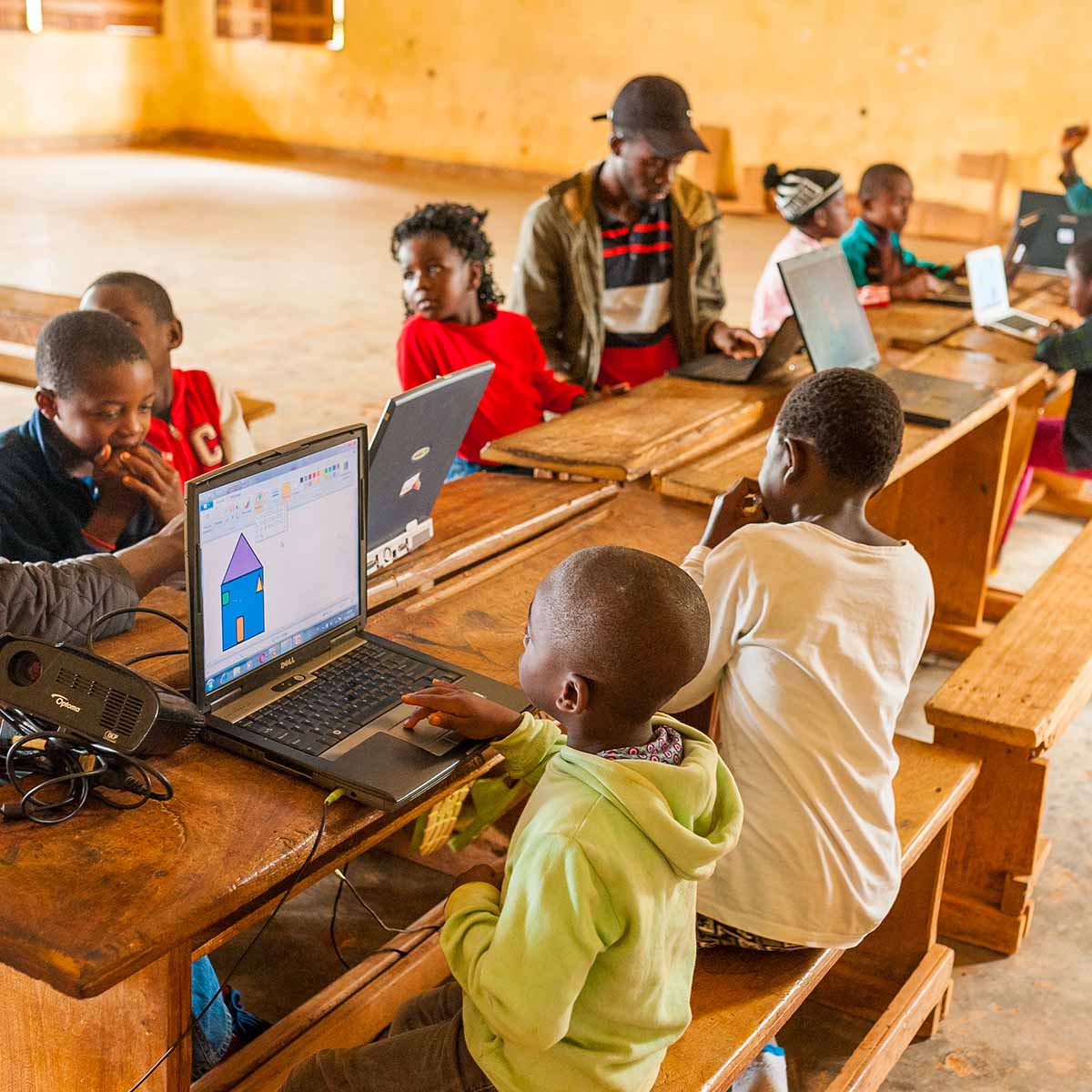
In a school that offers accelerated primary and secondary education (two years in one), with workshops and trade certifications, this teacher teaches history motivated by the conviction that all young people have a high potential to build their future.
UNESCO interviewed Maria Francisca in Santiago, Chile, about how schools form active citizens who build a society for all: "School is a fundamental space to develop self-esteem, to value their own identity and that of their communities, and to develop a life project that makes sense to them and with which they seek to contribute to society, feeling that they are valued members," she says.
What is it like to learn history in a second chance school with vulnerable students?
Students in contexts of social marginalization do not understand themselves as subjects of rights and duties because they do not feel seen. They are invisible. History class becomes fundamental to creating true social justice, but this is not achieved by telling them that they are important, nor because I am the voice to make them visible. They are the ones who must interrogate the past from their own identities, interpret the present and understand that they can be active agents of history. This allows them to be seen, to look at themselves, to re-signify themselves and their communities, and to feel that they are important members of society, with interest and conviction to contribute. Read More..