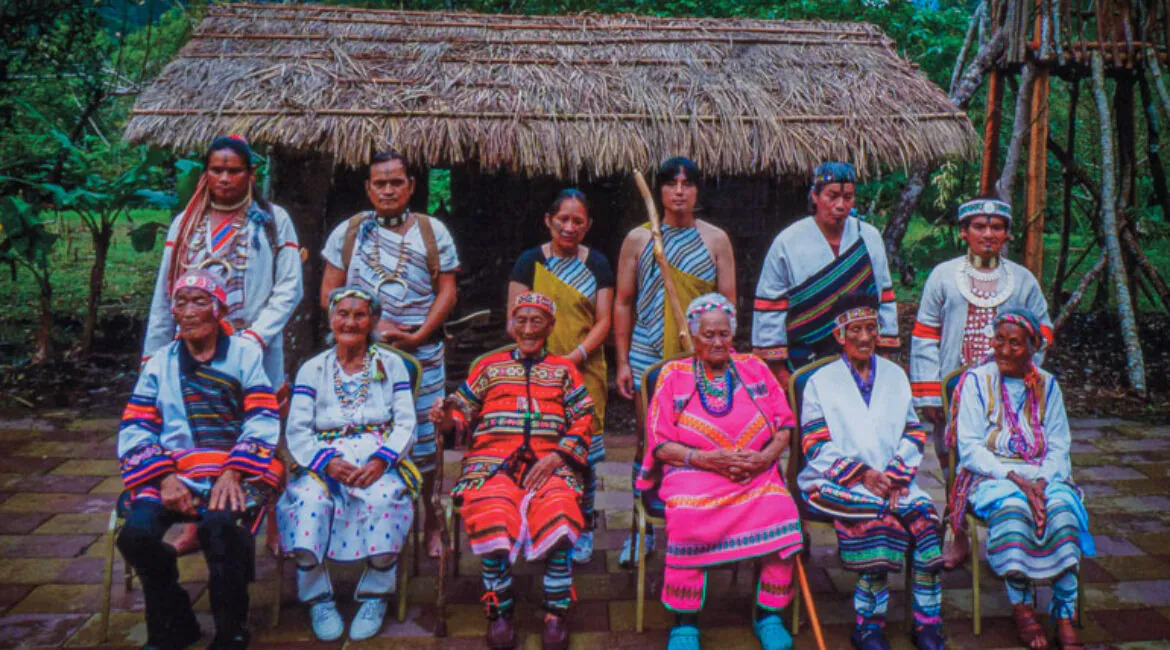
Celebrating Traditional Indigenous Culture in Taroko Gorge
-
 Loading...
 - Alex Pinyin
- 12 Oct 2022
- 67 Views
- 0 Like
- 0 Comment
Tattoos have become very common in modern times as a widely accepted form of lasting personal statements and visual artistic expressions. While no body part seems to be off limits to tattoo artists and their regular customers, many tattoo lovers will, however, stop short of using their faces as canvas.
Facial tattoos, called wenmian in Mandarin Chinese, used to be widespread among Austronesian peoples, including the Maori of New Zealand, and tribes in Southeast Asia, including the Dai people of Thailand. In Taiwan, the Atayal, Truku, Sediq, and Saisiyat (with the help of the Atayal) practiced facial tattooing in the past (men with simple tattoos on forehead and chin, women with tattoos on forehead and across the cheeks/around the mouth). The custom was banned by Taiwan’s Japanese colonial rulers in 1913, and people could only continue with the practice in remote mountain areas, risking being arrested and punished.
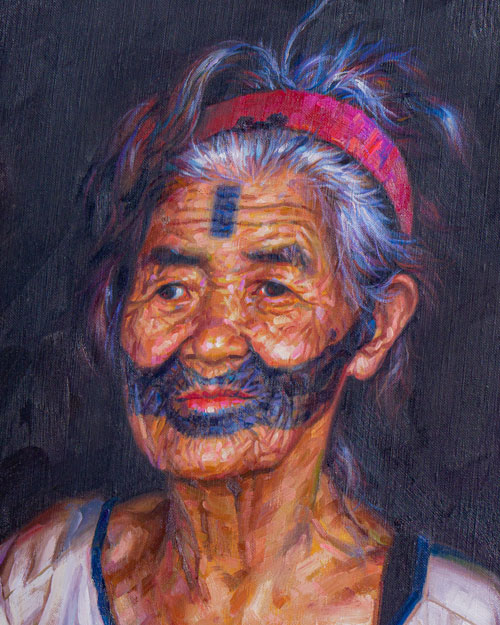
In 2016, the Ministry of Culture honored six indigenous elders with facial tattoos as the last preservers of this art form from the old days. The last of these was an Atayal woman, Lawa Piheg, who passed away at age 97 in 2019, and a Sediq woman, Ipay Wilang, who passed away at age 100 this June. With no one from the elder generation left as living preservers of wenmian, it’s now up to younger folks to continue the tradition.
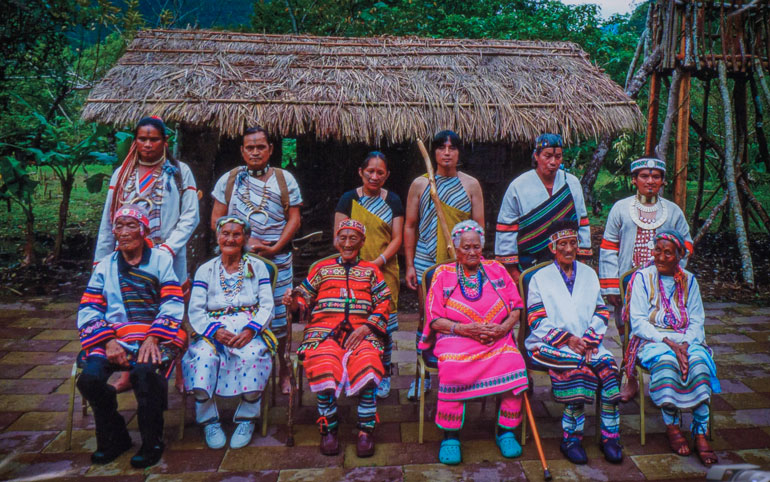
In 2011, a “Passing on Facial Tattooing” event celebrating this indigenous tradition was held at Taroko Village Hotel (www.tarokovillage.com), located inside the Taroko Gorge. Hotel manager Zheng Ming-gang (aka “Village Chief”), who has been running the hotel since 2003 and has been very active in supporting the local indigenous communities, invited some of the above-mentioned elder tribe members to honor them and encourage the younger generations to continue the tradition. Read More…


