Brazzaville school takes a stand against prejudice, empowering autistic children
-
 Loading...
 - Alice Kojo
- 12 Jun 2023
- 77 Views
- 0 Like
- 0 Comment
In Congo-Brazzaville, a school has been established to foster the "social integration" of children with autism and raise awareness about this neurodevelopmental disorder. These children, often referred to as "wizards," "bewitched," or "lost," are welcomed at the Case Dominique school in Poto-Poto, the vibrant neighborhood at the heart of Brazzaville. Run by Catholic nuns, the school currently caters to 350 autistic children and those with Down's syndrome.
This morning, Coco, dressed in sandals, a T-shirt, and a tightly tied loincloth, brought her 12-year-old daughter, Edith, to the school. Edith struggled to communicate until the age of three, and even now, she exhibits "childish behavior," as described by her mother to AFP. Recognizing her difficulties in a regular school, Coco decided to enroll her at Case Dominique. Over time, Edith has made remarkable progress. Her mother expresses her happiness, stating that Edith can now write the date, among other accomplishments. She remains optimistic about her daughter's future.
Classes at Case Dominique commence at 8:00 am (7:00 am GMT) and conclude at 11:00 am (10:00 am GMT), with breaks for recreational activities. The students, both girls and boys, wear navy blue pants and khaki shirts, similar to those worn in conventional schools. Dudal Ndolo, a 40-year-old teacher at the school, explains that his classroom consists of children of different ages and sizes. He teaches them word articulation, reading, and vocabulary. The aim is to facilitate socialization and familiarity among the students, as they face rejection and exclusion at home.
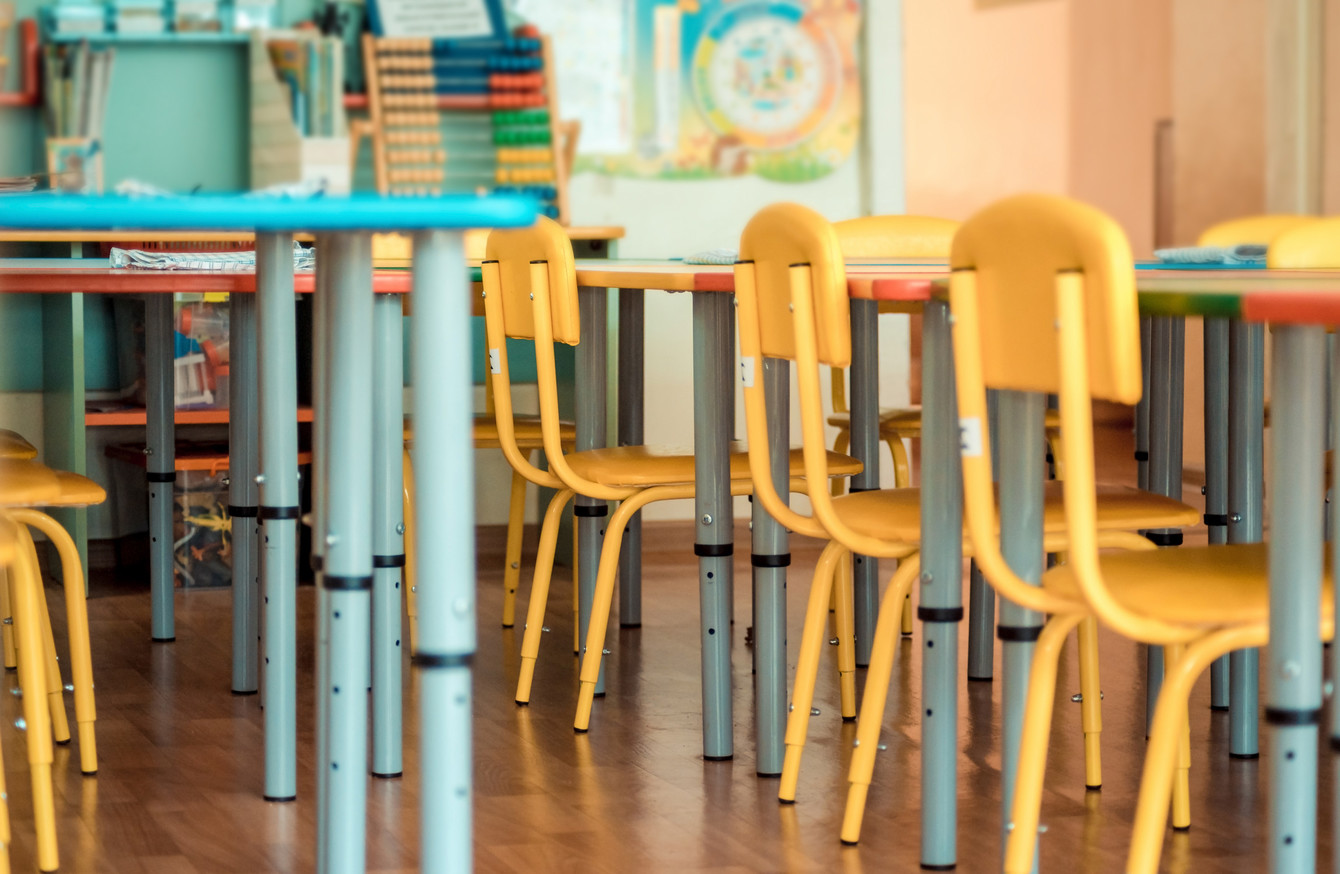
In the classrooms, benches accommodate three or four students, who enthusiastically greet visitors in unison.
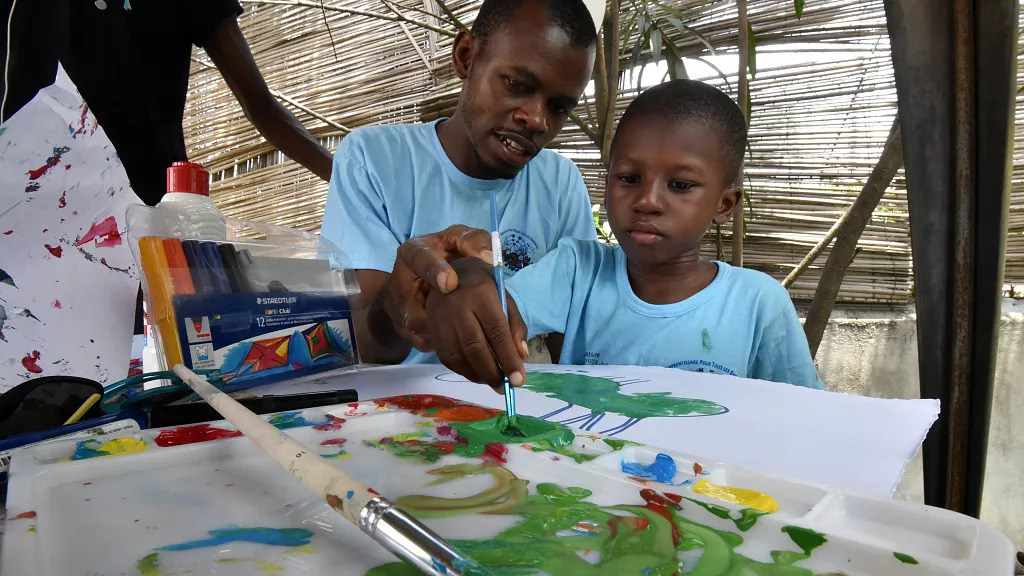
The Dominica Hut Center, which initially worked with children affected by armed conflict, transitioned to providing specialized education for autistic children in 1999. Over the years, the school has witnessed some success stories, as shared by its director, Dieu Merci Nakavoua. He recounts the journey of an autistic child who, despite facing significant challenges, is now in France pursuing a career as a painter. These stories offer hope for the potential of every child.
However, while Case Dominique seems to be a nurturing environment for autistic children, societal attitudes toward them remain stigmatizing. Health experts and specialists interviewed by AFP reveal that there are no official autism statistics available in Congo-Brazzaville. Prejudice runs deep, with prevailing beliefs associating autism with witchcraft or the influence of evil spirits. Sister Ida Pélagie Louvouandou, the school's coordinator, laments that many couples even separate due to their child's autism.
To combat these prejudices, Case Dominique has initiated an awareness campaign. Sister Louvouandou explains that they have been distributing leaflets and engaging with people in the streets for the past two years to educate them about autism as a natural phenomenon that should be respected. However, she acknowledges the slow progress in changing Congolese society's mindset. Instances of autistic children being denied access to public transportation serve as stark reminders of the work that still needs to be done.