Brands Feel the Challenge to Master Web3
-
 Loading...
 - Clarissa Gataki
- 07 Jun 2022
- 271 Views
- 0 Like
- 0 Comment
As the price of Bitcoin is down more than 50 percent over the last six months, investors aren’t the only ones asking questions about the opportunities and risks of aspects of Web3, which still feels mysterious and untransparent to most. Fuel was added to the fire when Coinbase warned that “users could lose their crypto holdings if the company goes bankrupt,” according to Business Insider. Owners of digital assets started asking themselves, what do they actually “own,” and where is the “value,” really.
Crypto, however, is just one part of Web3. Today, brands are mostly experienced in the Web 2.0, or what often is referred to as the centralized internet. Social media companies own and control everything that happens is there, even if the content is created by brands and users. Consequently, the centralized Web 2.0 structure does not give brands control and direct monetization opportunities over their own content.
The Web3, in contrast, provides a decentralized digital environment. Using blockchain as the core technology, brands and individual users now own the content they create, including having full control over monetization opportunities. A blockchain is a database which is hosted by a decentralized network of computers, allowing transparency of storing information. This enables the precise allocation of a digital asset to an owner.
Categories like NFTs (non-fungible tokens) emerged and achieved an explosive growth, particularly since the record sale of Beeple’s 69-million-dollar artwork “The First 5000 Days” set a previously unthinkable record for digital assets. Moreover, industry experts estimate the NFT market at more than 40 billion dollars in 2021 — from zero in less than eight years.
And new categories are emerging at sheer breathtaking speed, such as a DAO (decentralized autonomous organizations). Their fundamental idea is that they are governed in a decentralized way by their members according to a set of rules.
This changes the way brands are building communities. Since its launch, the Bored Ape Yacht Club (BAYC) has become the biggest NFT community, now extending into a DAO-managed coin, the ApeCoin. In just one year, BAYC became a lifestyle brand by itself with multi-million-dollar sales and a list of celebrity owners. The community is also moving into areas like gaming, and it offers access to events and parties in the physical world as well as online activities.
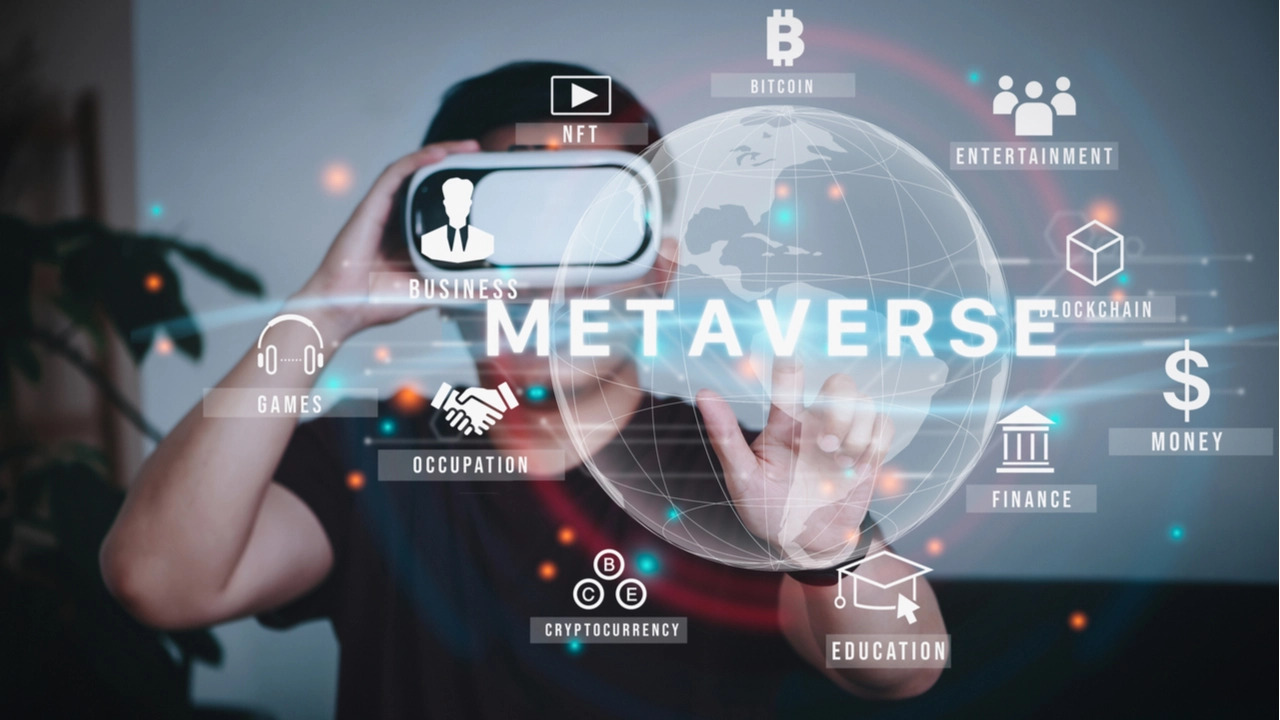
Meanwhile, the metaverse, the highly immersive next internet iteration, is accelerating the rapid adoption of the Web3. Practically every luxury brand started strategizing about how to play in this new reality. Over the last three months I spent a significant amount of time traveling around the world discussing at least two or three times per week implications, opportunities, and pitfalls of the new internet with luxury and lifestyle brands.
The most critical challenge most brands face is not having clarity on what the characteristics and critical success factors are that build competitive advantage in the Web3. Most companies today don’t know which strategic assets are needed, how to organize internally and externally, and what does it take to play to win. Read More...