Home Upload Photo Upload Videos Write a Blog Analytics Messaging Streaming Create Adverts Creators Program
Bebuzee Afghanistan Bebuzee Albania Bebuzee Algeria Bebuzee Andorra Bebuzee Angola Bebuzee Antigua and Barbuda Bebuzee Argentina Bebuzee Armenia Bebuzee Australia Bebuzee Austria Bebuzee Azerbaijan Bebuzee Bahamas Bebuzee Bahrain Bebuzee Bangladesh Bebuzee Barbados Bebuzee Belarus Bebuzee Belgium Bebuzee Belize Bebuzee Benin Bebuzee Bhutan Bebuzee Bolivia Bebuzee Bosnia and Herzegovina Bebuzee Botswana Bebuzee Brazil Bebuzee Brunei Bebuzee Bulgaria Bebuzee Burkina Faso Bebuzee Burundi Bebuzee Cabo Verde Bebuzee Cambodia Bebuzee Cameroon Bebuzee Canada Bebuzee Central African Republic Bebuzee Chad Bebuzee Chile Bebuzee China Bebuzee Colombia Bebuzee Comoros Bebuzee Costa Rica Bebuzee Côte d'Ivoire Bebuzee Croatia Bebuzee Cuba Bebuzee Cyprus Bebuzee Czech Republic Bebuzee Democratic Republic of the Congo Bebuzee Denmark Bebuzee Djibouti Bebuzee Dominica Bebuzee Dominican Republic Bebuzee Ecuador Bebuzee Egypt Bebuzee El Salvador Bebuzee Equatorial Guinea Bebuzee Eritrea Bebuzee Estonia Bebuzee Eswatini Bebuzee Ethiopia Bebuzee Fiji Bebuzee Finland Bebuzee France Bebuzee Gabon Bebuzee Gambia Bebuzee Georgia Bebuzee Germany Bebuzee Ghana Bebuzee Greece Bebuzee Grenada Bebuzee Guatemala Bebuzee Guinea Bebuzee Guinea-Bissau Bebuzee Guyana Bebuzee Haiti Bebuzee Honduras Bebuzee Hong Kong Bebuzee Hungary Bebuzee Iceland Bebuzee India Bebuzee Indonesia Bebuzee Iran Bebuzee Iraq Bebuzee Ireland Bebuzee Israel Bebuzee Italy Bebuzee Jamaica Bebuzee Japan Bebuzee Jordan Bebuzee Kazakhstan Bebuzee Kenya Bebuzee Kiribati Bebuzee Kuwait Bebuzee Kyrgyzstan Bebuzee Laos Bebuzee Latvia Bebuzee Lebanon Bebuzee Lesotho Bebuzee Liberia Bebuzee Libya Bebuzee Liechtenstein Bebuzee Lithuania Bebuzee Luxembourg Bebuzee Madagascar Bebuzee Malawi Bebuzee Malaysia Bebuzee Maldives Bebuzee Mali Bebuzee Malta Bebuzee Marshall Islands Bebuzee Mauritania Bebuzee Mauritius Bebuzee Mexico Bebuzee Micronesia Bebuzee Moldova Bebuzee Monaco Bebuzee Mongolia Bebuzee Montenegro Bebuzee Morocco Bebuzee Mozambique Bebuzee Myanmar Bebuzee Namibia Bebuzee Nauru Bebuzee Nepal Bebuzee Netherlands Bebuzee New Zealand Bebuzee Nicaragua Bebuzee Niger Bebuzee Nigeria Bebuzee North Korea Bebuzee North Macedonia Bebuzee Norway Bebuzee Oman Bebuzee Pakistan Bebuzee Palau Bebuzee Panama Bebuzee Papua New Guinea Bebuzee Paraguay Bebuzee Peru Bebuzee Philippines Bebuzee Poland Bebuzee Portugal Bebuzee Qatar Bebuzee Republic of the Congo Bebuzee Romania Bebuzee Russia Bebuzee Rwanda Bebuzee Saint Kitts and Nevis Bebuzee Saint Lucia Bebuzee Saint Vincent and the Grenadines Bebuzee Samoa Bebuzee San Marino Bebuzee São Tomé and Príncipe Bebuzee Saudi Arabia Bebuzee Senegal Bebuzee Serbia Bebuzee Seychelles Bebuzee Sierra Leone Bebuzee Singapore Bebuzee Slovakia Bebuzee Slovenia Bebuzee Solomon Islands Bebuzee Somalia Bebuzee South Africa Bebuzee South Korea Bebuzee South Sudan Bebuzee Spain Bebuzee Sri Lanka Bebuzee Sudan Bebuzee Suriname Bebuzee Sweden Bebuzee Switzerland Bebuzee Syria Bebuzee Taiwan Bebuzee Tajikistan Bebuzee Tanzania Bebuzee Thailand Bebuzee Timor-Leste Bebuzee Togo Bebuzee Tonga Bebuzee Trinidad and Tobago Bebuzee Tunisia Bebuzee Turkey Bebuzee Turkmenistan Bebuzee Tuvalu Bebuzee Uganda Bebuzee Ukraine Bebuzee United Arab Emirates Bebuzee United Kingdom Bebuzee Uruguay Bebuzee Uzbekistan Bebuzee Vanuatu Bebuzee Venezuela Bebuzee Vietnam Bebuzee World Wide Bebuzee Yemen Bebuzee Zambia Bebuzee Zimbabwe
Blog Image

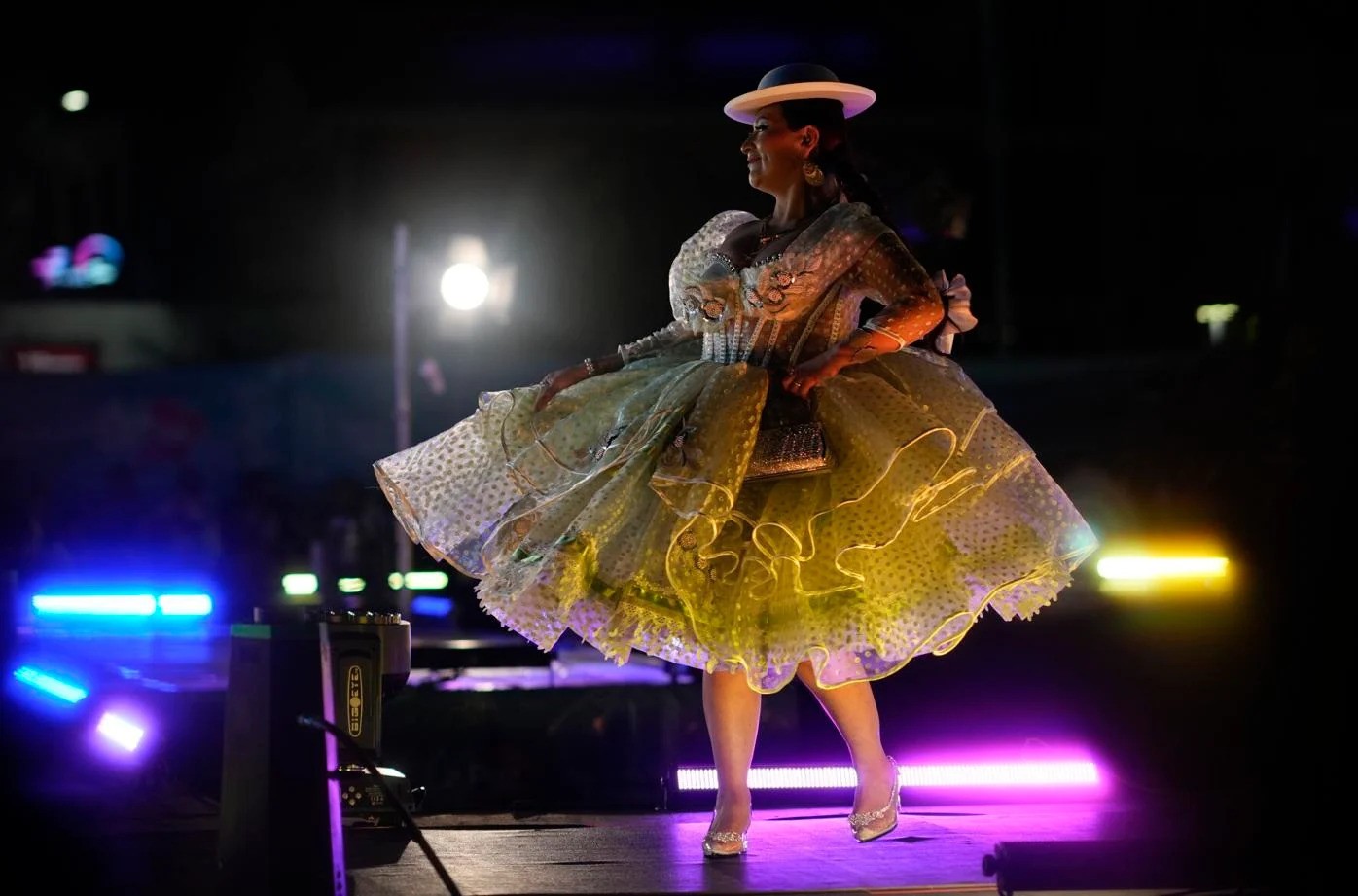
Bolivia Chola Fashion

Bolivia's Chola fashion is a significant and proud symbol of Indigenous identity and heritage in the country, particularly among the Aymara and Quechua women. Chola fashion, often referred to as "cholita fashion," features distinct clothing elements that have evolved over centuries but continue to reflect the deep cultural roots and resilience of Bolivia’s Indigenous women.

Key Elements of Chola Fashion

i. Pollera (Pleated Skirt): The pollera is a traditional, voluminous, multi-layered skirt made from heavy fabric such as velvet or satin. It is often pleated and designed to enhance the wearer's figure, symbolizing both femininity and strength. Polleras are usually vibrant and come in a range of colors and intricate patterns.

ii. Blouse (Blusa): Cholas typically wear a richly decorated blouse, sometimes featuring lace, embroidery, or sequins. The blouse is often tucked into the pollera and paired with shawls that may be draped over the shoulders.

iii. Manta (Shawl): A manta or cholita shawl is an essential accessory that serves both practical and aesthetic purposes. The shawl, often made from fine fabric like alpaca wool, is typically embroidered and helps protect the wearer from the cold. It is also used for carrying babies or goods on the back.

iv. Bowler Hat (Sombrero Borsalino): The bowler hat, or sombrero borsalino, is a signature part of Chola fashion. Originally introduced by Europeans in the early 20th century, the hat has become an emblem of Indigenous pride and status. The way a cholita wears her bowler hat (tilted or flat) can indicate social standing or marital status.

v. Jewelry: Gold or silver jewelry, including large earrings, necklaces, and brooches, often accompany cholita attire. These accessories are sometimes passed down through generations and hold cultural or familial significance.

Historical and Cultural Significance

Chola fashion was historically seen as a marker of Indigenous identity and was often stigmatized by colonial and European influences. However, in recent years, cholita fashion has been reclaimed and celebrated, especially during events like cholita wrestling or Bolivia’s Gran Poder festival, where cholitas proudly showcase their heritage through their fashion.

Moreover, "cholita fashion shows" have emerged, spotlighting the beauty and elegance of the traditional attire on modern platforms, highlighting Bolivia's rich cultural heritage.

The resurgence of Chola fashion is a powerful symbol of Indigenous empowerment, with women using their fashion as a statement of cultural pride and a reclaiming of space in Bolivia’s socio-political landscape.
Previous Post

The Fashion Brand That’s French Enough for Parisians

Next Post

Ukrainian Designers Hope for Growth as Fashion Week Returns to Kyiv

Comments