Blood Group Characteristics - Strengths and Weaknesses
-
 Loading...
 - Dacre Reid
- 08 Apr 2025
- 30 Views
- 0 Like
- 0 Comment
Understanding the characteristics associated with different blood types can provide insights into health, dietary needs, and potential risks. Here’s a breakdown of the strengths and weaknesses of each blood type, along with associated risks and recommended dietary supplements.
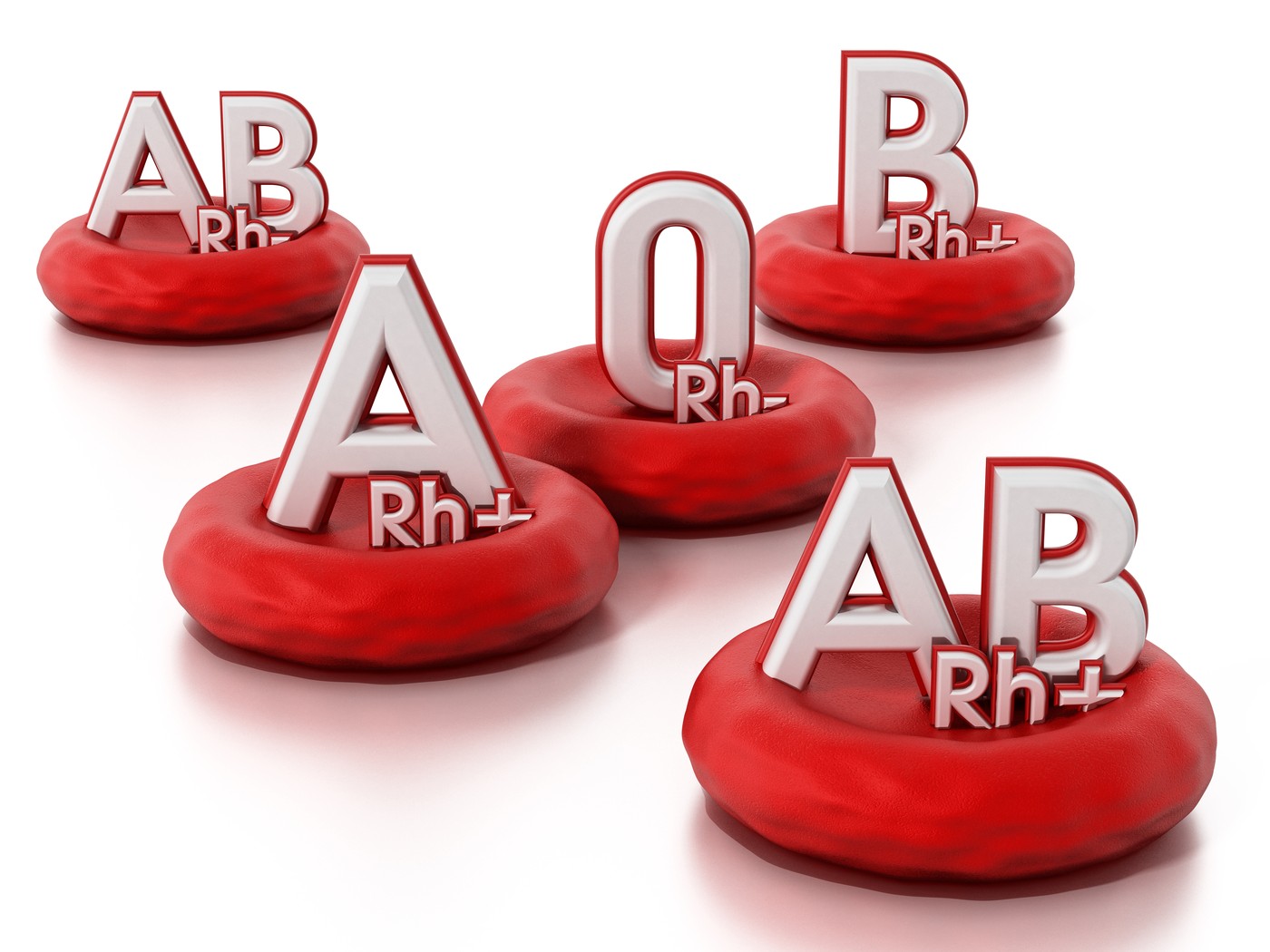
Blood type zero
- Strengths of people with blood type zero: strong digestive system, strong immune system, natural protection against infections, efficient metabolism.
- Weaknesses: intolerance to new food and new environmental conditions. Due to excessive activity of the immune system, it may attack itself.
- Risks: coagulation disorders, inflammatory diseases, joint inflammation, decreased thyroid function, ulcers, allergies.
- Dietary supplements: vitamins B and K, calcium, iodine, licorice, seaweed.
Blood type A
- Strengths: Adapts well to changed diet and new environmental conditions. Easily metabolizes nutrients.
- Weaknesses: sensitive digestive system; vulnerable immune system – open to infections.
- Risks: heart disease, cancer, anemia, liver and gallbladder disease, type 1 diabetes.
- Dietary supplements: vitamins B, C and E, folic acid, echinacea, quercetin.
Blood type B
- Advantages: strong immune system, adaptability to the new environment and new diet, balanced nervous system.
- Weaknesses: susceptibility to autoimmune diseases and rare viral infections.
- Risks: type 1 diabetes, chronic fatigue, autoimmune diseases (lupus, multiple sclerosis...).
- Dietary supplements: magnesium, ginkgo, lecithin, licorice.
Blood type AB
- Strengths: adapts well to modern conditions. Very tolerant immune system, combines the advantages of blood types A and B.
- Weaknesses: Sensitive digestive system. Overly tolerant immune system can be open to infections. Reacts negatively to both type A and type B circumstances.
- Risks: heart disease, cancer, anemia.
- Dietary supplements: vitamin C, selenium, zinc (both minerals should be used with caution, with prior consultation with a doctor!)