Bison and Beavers Among Animals Being Reintroduced to Britain to Manage Biodiversity Crisis
-
 Loading...
 - Eirene Hondros
- 18 Feb 2025
- 33 Views
- 0 Like
- 0 Comment
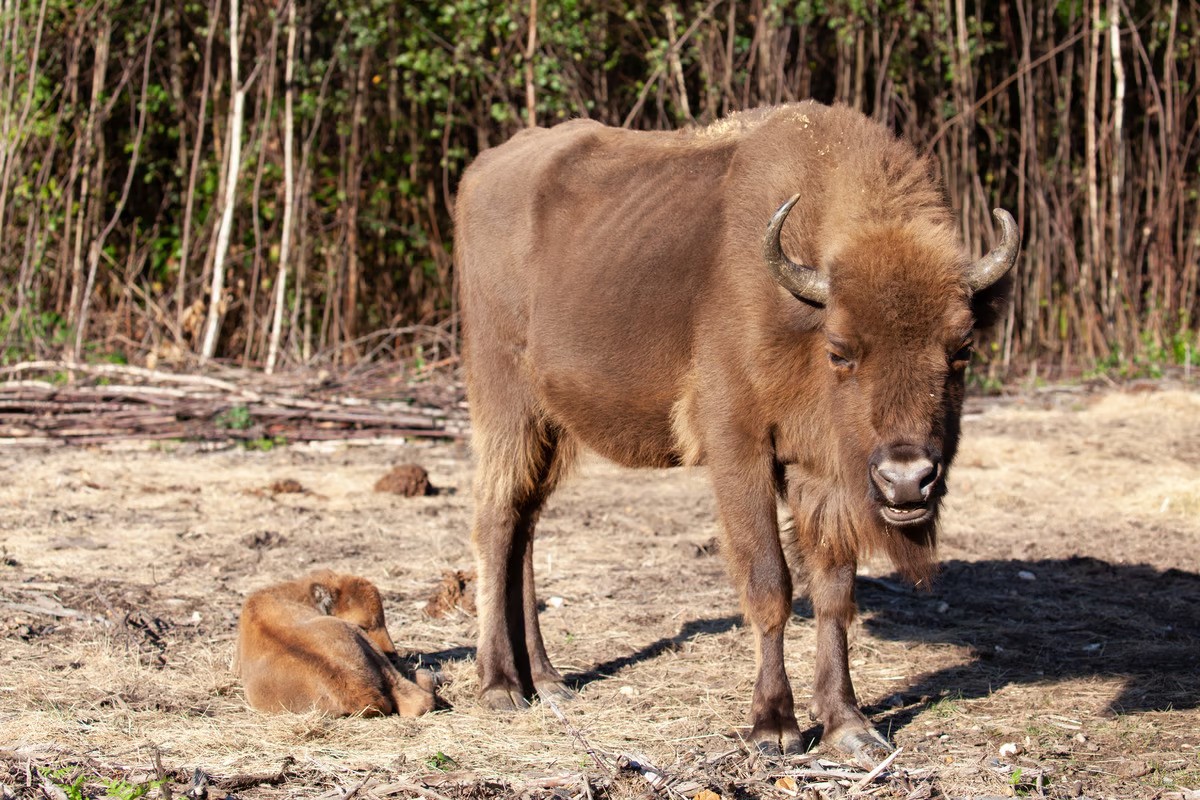
Scientists and conservationists are actively working to reintroduce various species that were once native to Britain, including bison, beavers, and potentially wolves, as part of a strategy to address the biodiversity crisis in the region. These efforts aim to restore ecosystems and enhance the natural balance.
The Case for Wolves
One of the most ambitious proposals involves reintroducing wolves to the Scottish Highlands. Researchers from the University of Leeds have suggested that bringing back 167 wolves, which have been absent from Scotland for 250 years, could help manage the population of red deer. These deer have been overgrazing, particularly on young tree saplings, which hinders vital tree regeneration efforts.
Professor Dominick Spracklen emphasized the potential benefits of this reintroduction, stating that the trees could absorb and store up to 1 million tonnes of carbon dioxide annually. He noted, “There is an increasing acknowledgment that the climate and biodiversity crises cannot be managed in isolation. We need to look at the potential role of natural processes such as the reintroduction of species to recover our degraded ecosystems, which can deliver co-benefits for climate and nature recovery.”
While the reintroduction of wolves is still in the proposal stage, the movement to establish populations of other native species is already underway.
Successful Reintroductions
- Ospreys: Once extinct in England for over 150 years, ospreys have made a remarkable comeback thanks to a dedicated 25-year reintroduction program at Rutland Water. With around 200 chicks hatched, these majestic birds are poised to become a common sight across more regions of the country.
- Northern Pool Frogs: England’s rarest amphibian, the northern pool frog, is also seeing a resurgence. After being on the brink of extinction, efforts to re-establish this species in Norfolk—its last known hotspot—are proving successful. The northern pool frog's return is a positive sign for biodiversity in the area.
The Importance of Biodiversity
The reintroduction of these species is part of a broader strategy to restore ecosystems and enhance biodiversity across Britain. By re-establishing native species, conservationists aim to create balanced ecosystems that can better withstand environmental changes and contribute to climate resilience.
The ongoing efforts highlight the interconnectedness of species and ecosystems, reinforcing the idea that restoring natural processes can lead to significant environmental benefits. As more species are reintroduced, the hope is that Britain can foster a more diverse and sustainable natural environment.
The reintroduction of bison, beavers, and potentially wolves, alongside successful programs for ospreys and northern pool frogs, represents a proactive approach to managing the biodiversity crisis in Britain. By recognizing the vital roles these species play in their ecosystems, scientists and conservationists are working towards a future where nature can thrive, ultimately benefiting both the environment and society as a whole.