Birth of Mexican volcano inspires scientists 80 years later
-
 Loading...
 - Rivera Margarita
- 20 Apr 2023
- 60 Views
- 0 Like
- 0 Comment
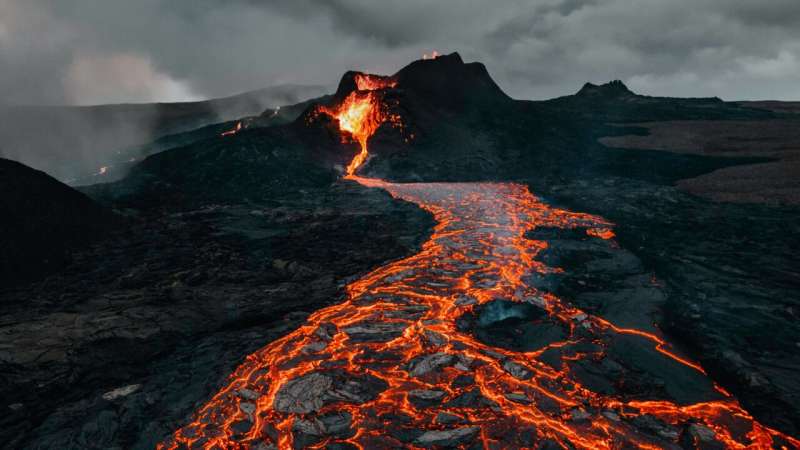
The ground is still hot atop the crater of Paricutin — the first volcano of its kind to have its full life cycle documented by modern science when it erupted 80 years ago.
The surrounding vista in western Mexico encompasses pine-clad peaks of older volcanoes, green avocado orchards and a church tower just peeking above where lava buried it decades ago.
Volcanoes are still being born around the globe and scientists believe another will form in the volcanic field spanning across this region, they just don’t know when.
That’s why about a hundred geologists, volcanologists and seismologists visited Paricutin last week to mark the anniversary, share experiences and talk about how to prevent disaster.
Paricutin's birth and nine-year eruption were a cornerstone in the study of the relatively small kind of volcano that erupts only once, said Stavros Meletlidis, a Greek researcher at Spain's National Geographic Institute.
The world's most famous volcanos already were thousands of years old when they threw up their catastrophic eruptions: Mount Vesuvius in Italy which buried Pompeii in 79 A.D.; Mount Tambora in Indonesia which killed tens of thousands in 1815. Read More…