Biodiversity and soil health: how protecting one, safeguards the other
-
 Loading...
 - Liam Bakker
- 19 Jul 2022
- 102 Views
- 0 Like
- 0 Comment
From nature-based solutions to climate, health issues, food and water security, and sustainable livelihoods, biodiversity is the foundation upon which we can build back better. A key premise of building back better is a strong and solid foundation. That foundation on planet earth is soil.
Healthy soil has the ability to sequester carbon and help reverse the effects of climate change, it better absorbs and retains water, cutting down on evaporation and creating resilience to drought and extreme weather, it increases soil fertility and productivity, increases the nutritional value of food and forage, supports greater biodiversity and ensures species stability.

Soil hosts a quarter of our planet’s biodiversity. Billions upon billions of earthworms, nematodes, insects, fungi, bacteria, and other invertebrates make their home in soil. These creatures use the organic material found in soil as food and work together to break down materials into minerals and nutrients that support healthy growth for the rest of the ecosystem, including crops and animals on farms.
Yet, over half our agricultural soils are already degraded. Soil degradation is the physical, chemical and biological decline of soil quality. Caused by unabated deforestation and urbanisation, industrial pollution, overgrazing, and unsustainable agricultural practices, this loss threatens our very survival. A change in farming practices has never been more urgent.
Through evidence-based dialogue between the agriculture and conservation sectors, IUCN is working on a large-scale Sustainable Agriculture and Land Health Initiative to promote regenerative approaches that restore and conserve biodiversity on farms and agricultural landscapes.
“Sustainable agriculture can feed the world while protecting the environment that supports it. Agriculture depends on biodiversity, so in order for agriculture to be sustainable, it must contribute to conserving that biodiversity, particularly the soil which safeguards ecosystems and their services”, said Jonathan Davies, IUCN Senior Agriculture Advisor.
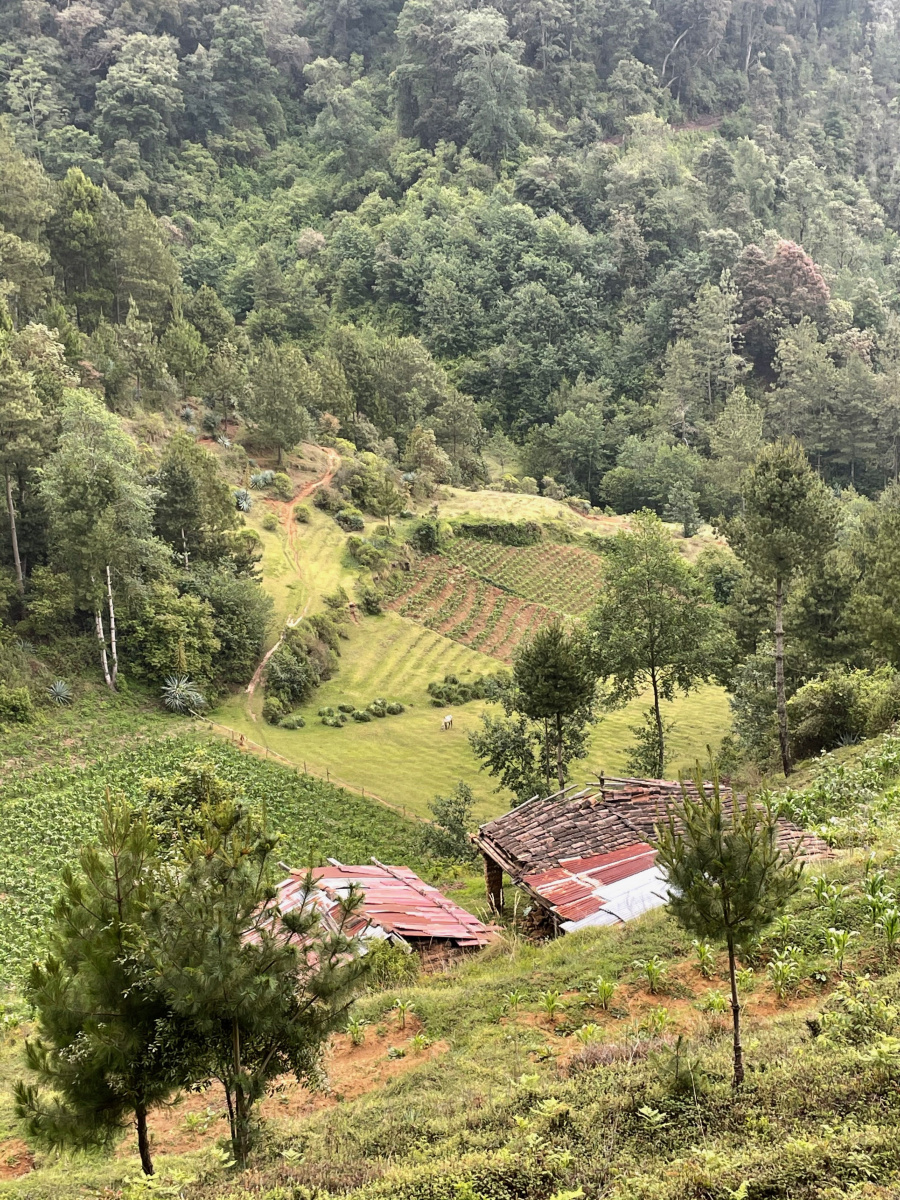
One of the initiative’s projects is located in the highlands of Guatemala. In this region of Central America, high deforestation rates and intensive land-use practices have led to the fragmentation of tree cover, causing land erosion and subsequently loss of soil fertility and water quality. The effects of climate change also threaten communities and the land through weather extremes, including increased rainfall during the wet season and increased heat during the dry season.
“Adopting agro-ecological practices in the landscape helps improve ecosystem functions which in turn revive soil life”, says Ottoniel Monterosso Rivas, IUCN National Project Coordinator in Guatemala. He manages the ‘Resilient Highlands’ project in Guatemala, part of the IUCN Land Health Initiative. This project encompassing the wider landscape – from mountain top to valley lowlands – allowing for an integrated approach towards sustainable agriculture.
Working towards improved agricultural practices starts with the watershed above. Ensuring water is managed well and sufficient levels are available for downstream use is key. This has lead Ottoniel and his team to embark on a big reforestation mission as trees keep water in their roots and soil system. Today, over 3,000 ha of forest has been rehabilitated at the upper levels of the project site. Ensuring the watershed can perform its ‘sponge-like’ work, trees need to be replanted or preserved in order to safeguard this vital ecosystem service.

At mid altitude, the project focuses on agro-forestry, or simply put ‘agriculture with trees’. Ottoniel explains how in this region maize and beans are staple foods and so are avocados and apples. The combination of cultivating these in the same plots will be part of the land health approach of the project. For example, a combination of agricultural crops with alnus trees (a native tree specie) in alley croping, fixes nitrogen in the soil through their root system and provides organic matter and other micronutrients by incorporating the litter as mulch. This practice has helped growers during the current chemical fertilizer price crisis. Read More…