Beneath a Veneer of Calm, Trump’s Inauguration Holds Warning Signs for US Democracy
-
 Loading...
 - Oscar Hayes
- 21 Jan 2025
- 171 Views
- 0 Like
- 0 Comment
The inauguration of President Donald Trump for his second term appeared, at first glance, to be a continuation of the United States' nearly 250-year tradition of peaceful transfers of power. All living former presidents were present, and the outgoing president greeted his successor amicably. Trump delivered a speech about the country’s bright future, leaving the ceremony to the sound of a brass band. However, beneath this veneer of calm, significant warning signs for American democracy were evident.
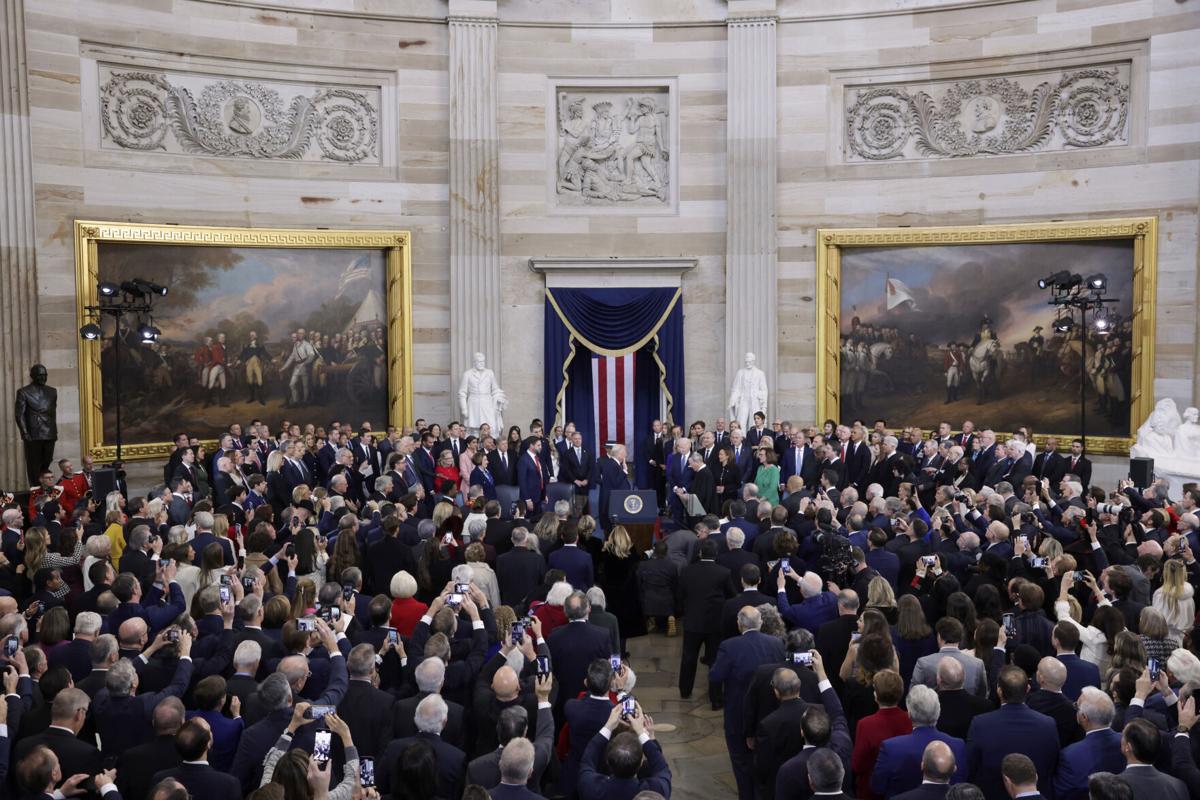
Due to frigid temperatures, Trump’s swearing-in took place in the Capitol Rotunda, a location that had been the site of chaos during the January 6, 2021, attack. This was where rioters had sought to overturn the election results, and Trump entered from the hall leading to the west front tunnel, where violent confrontations between his supporters and law enforcement occurred. The choice of venue served as a stark reminder of the events that had unfolded just two years prior.
In his inaugural address, Trump pledged that “never again” would the government “persecute political opponents.” However, he later delivered an impromptu speech to supporters, expressing frustration that his inaugural address had been sanitized. He announced plans to pardon approximately 1,500 individuals involved in the January 6 attack, including those who had assaulted police officers. This move came shortly after outgoing President Joe Biden issued last-minute pardons for members of the congressional committee that investigated the attack, highlighting the ongoing tensions between the two administrations.
Trump’s remarks included unfounded claims about the 2020 election, asserting that he would have won California if not for voter fraud, despite losing the state by over 3.2 million votes. This continued denial of the election results underscores the persistent challenges to the integrity of American democracy.
The peaceful transfer of power was notably different from the previous inauguration, where Trump did not attend Biden’s ceremony. Democratic Senator Amy Klobuchar, who chaired the inaugural committee, emphasized the theme of “our enduring democracy.” Her comments carried a weighty implication given the context of Trump’s return to power and the events of January 6.
Biden’s preemptive pardons, which included Dr. Anthony Fauci and former General Mark Milley, were framed as necessary actions to protect individuals who had faced political retribution. Biden stated, “These are exceptional circumstances, and I cannot in good conscience do nothing,” reflecting the precarious state of political discourse in the country.
The day’s events served as a reminder of the unprecedented dynamics that Trump’s return has created. Former Metropolitan Police Officer Michael Fanone, who suffered serious injuries during the Capitol riot, received a pardon from Biden for his testimony before the January 6 committee. Fanone learned of his pardon from a reporter, illustrating the chaotic nature of the political landscape.
As Trump embarks on his second term, the implications of his actions and rhetoric will likely continue to reverberate throughout the nation. The celebration of a peaceful transfer of power is overshadowed by the ongoing divisions and challenges to democratic norms, raising critical questions about the future of governance in the United States.
While Trump’s inauguration may have appeared to uphold the traditions of American democracy, the underlying tensions and controversial actions signal a troubling reality. The pardons for January 6 rioters and the continued denial of the 2020 election results highlight the fragility of democratic institutions. As the nation moves forward, the need for vigilance and commitment to democratic principles remains paramount in the face of these challenges.