Beginner's Guide to Nature Photography
-
 Loading...
 - Noelle Clarke
- 21 Jan 2022
- 448 Views
- 0 Like
- 0 Comment
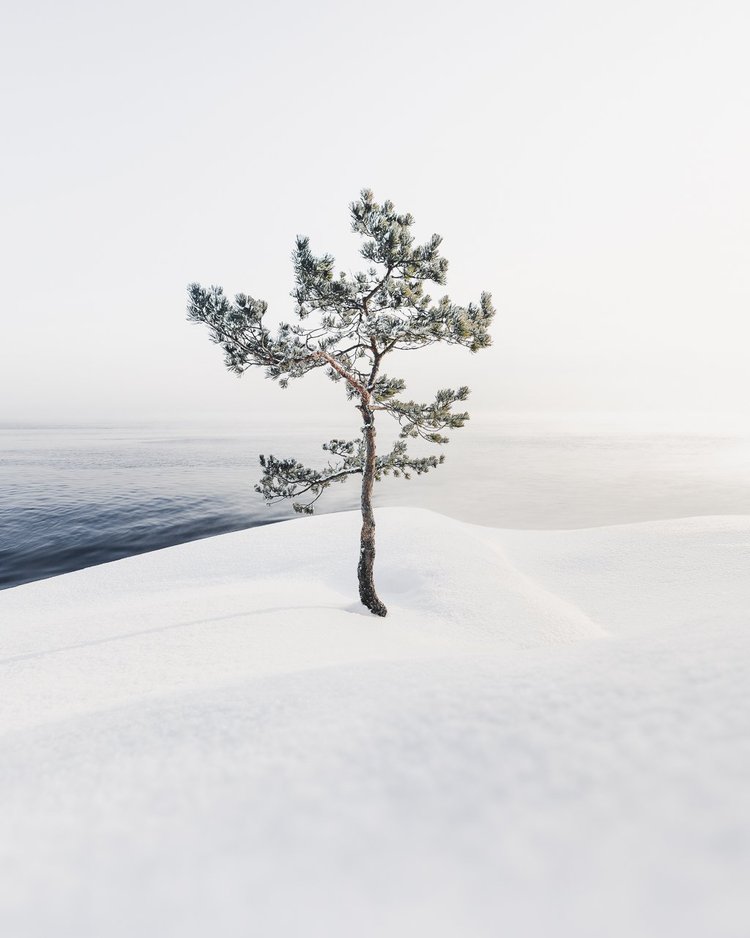
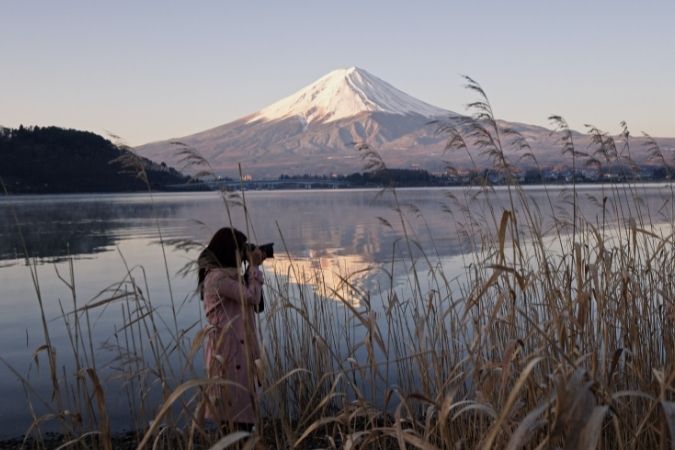
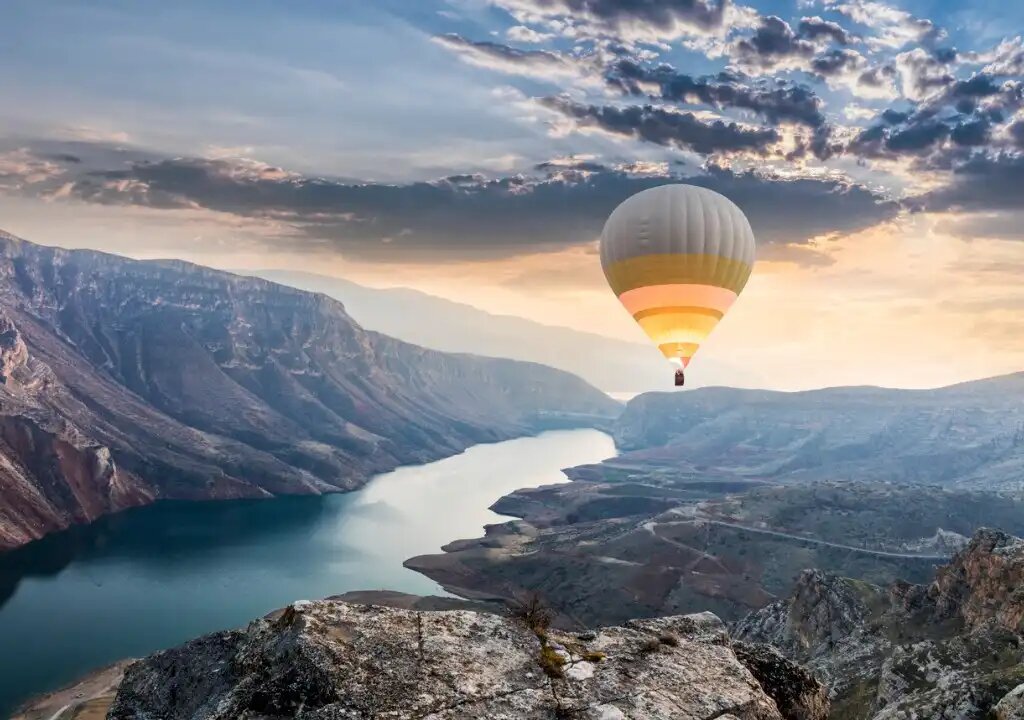
While you might think of incredible vistas like the one in the image above, nature photography can be something as simple as photographing a flower in your backyard. In fact, photographing the natural wonders around you is a great way to get started in nature photography.
Let’s discuss nature photography in more depth and go over a few things you need to know to get started.
What is Nature Photography?

Nature photography is one of the most popular genres of photography, but what exactly is it? Your mind probably goes directly to dramatic landscapes you see on Instagram, but it’s so much more than that!
By official definition, nature photography is any sort of photography taken outdoors that displays nature in its natural environment.
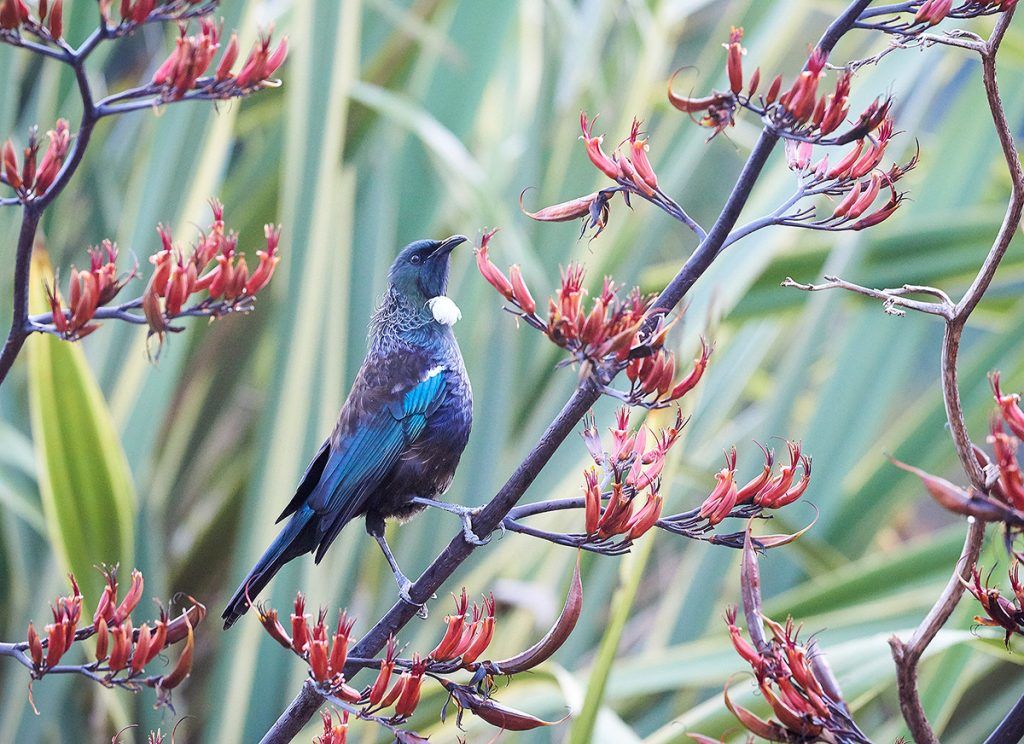
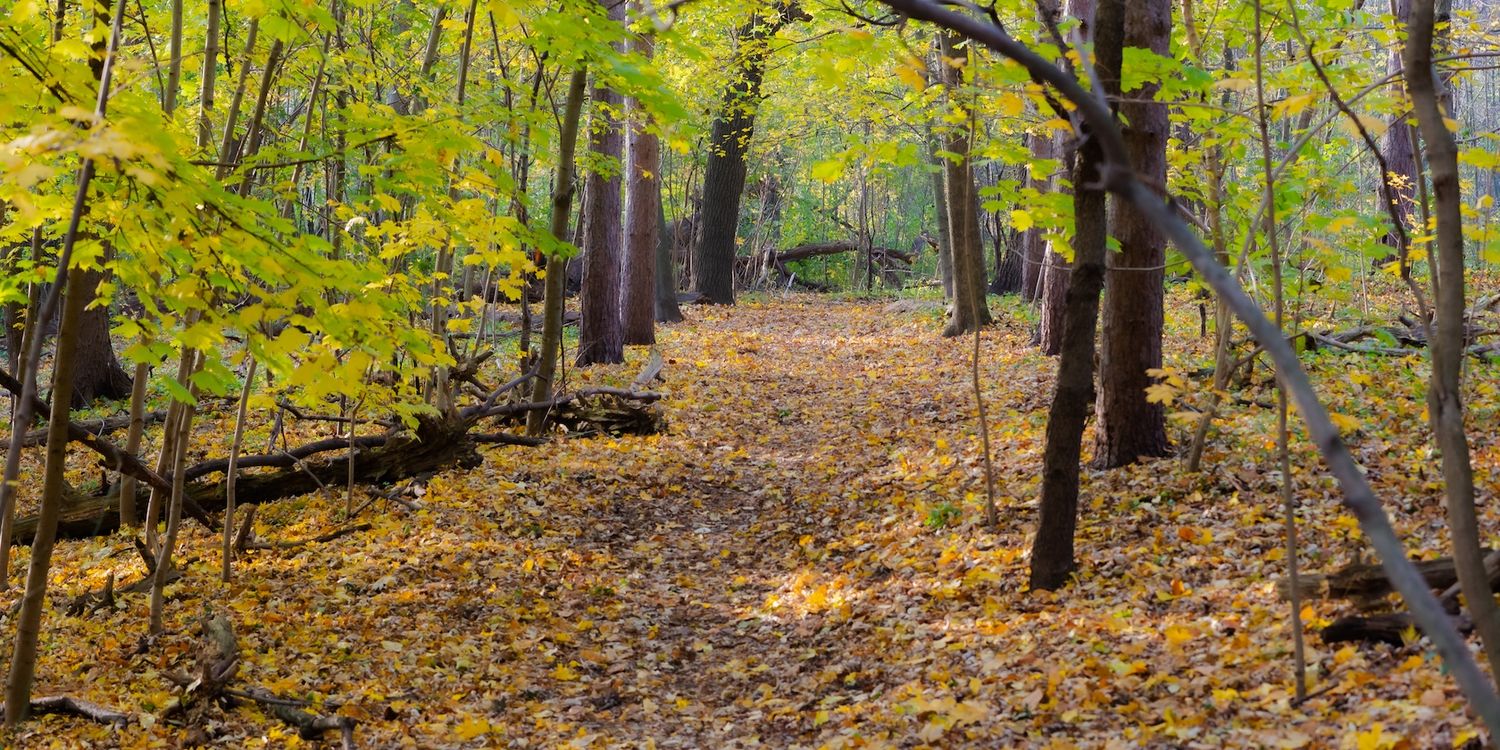
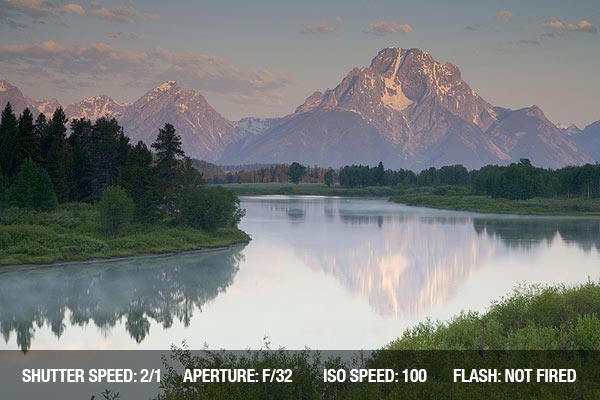
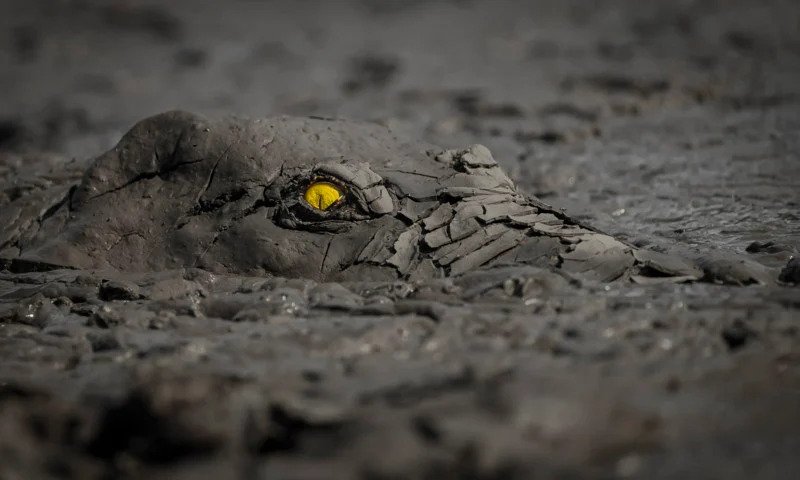
Therefore, nature photography is actually a broad umbrella term that contains many different types of photography, such as wildlife photography, plant photography, nature sunset photography, macro photography, and yes of course nature landscape photography!
People love shooting nature photography for a variety of different reasons, but the underlying reason is always the fact that our earth is a one-of-a-kind place filled with endless natural beauty.
In order to protect that natural beauty and ensure it doesn’t get destroyed, when working in nature you should always try to cause as little disruption and damage as possible. This means never harming any plants, and always keeping a safe distance away from animals.
How to Get Into Nature Photography

Another reason nature photography is extremely popular is the fact that you don’t need tons of fancy and expensive photography gear to get started in it. The most important tools for nature photography are your legs and a little motivation!
Throw on a pair of shoes, head out the front door, and there you have it, you are ready to start your path as a nature photographer. There is no need to start by going to the most remote places on earth when getting into nature photography, in fact it’s quite the opposite, the best place to start is in your neighborhood shooting places and scenes you are familiar with.
But I don’t even have a camera you might be saying to yourself now, that’s no excuse in today’s tech-filled world. Almost all phones today have built-in cameras, and many of them take exceptionally high-quality photos! The best way to get started is by using whatever gear you have available to you right now!
What is a Good Starter Camera for Nature Photography?

Ok, you’ve been shooting with your phone or an old point-and-shoot camera for a while now and are ready to advance to a more sophisticated camera, what one should you choose?
As tempting as it may be to splurge on an expensive camera with all the latest features and incredible image quality, I never recommend starting with a high-end camera. For starters, you’ll have no idea how to take advantage of the majority of the features. On top of that, if the camera makes it too easy you’ll always be stuck shooting in automatic mode and never will take the time to properly learn how to manually create a correct exposure.
With that said, for a beginner there’s no doubt in my mind that the best camera for nature photography is the Sony Alpha A6000. It’s a small and lightweight mirrorless camera that takes exquisite photos thanks to the 24.3MP APS-C sensor.
On top of the sensor, the autofocus is lightning-fast, you can shoot in continuous shooting mode at up to 11fps, and you can record video in full HD. Here’s a more complete list of the cameras specs:
· Model number: ILCE-6000
· Sensor: 24.3 million APS-C (23.5 x 15.6mm) CMOS sensor
· Focal length conversion: 1.5x
· Memory: SD/SDHC/SDXC
· Viewfinder: Electronic viewfinder, 0.39 inches, 1,440,000 dots
· Video: 1080p
· ISO range: 100 to 25,600
· Autofocus points: 179 phase detection points, 25 contrast detect points
· Max burst rate: 11fps
· Screen: 3-inch, 921k-dot tilting LCD
· Shutter speeds: 1/4000-30sec plus Bulb
· Weight: 344g (with battery and memory card)
· Dimensions: 120 x 66.9 x 45.1mm
· Power: NP-FW50 rechargeable lithium-ion battery