‘Be Transparent About New Education Assessment Plan’

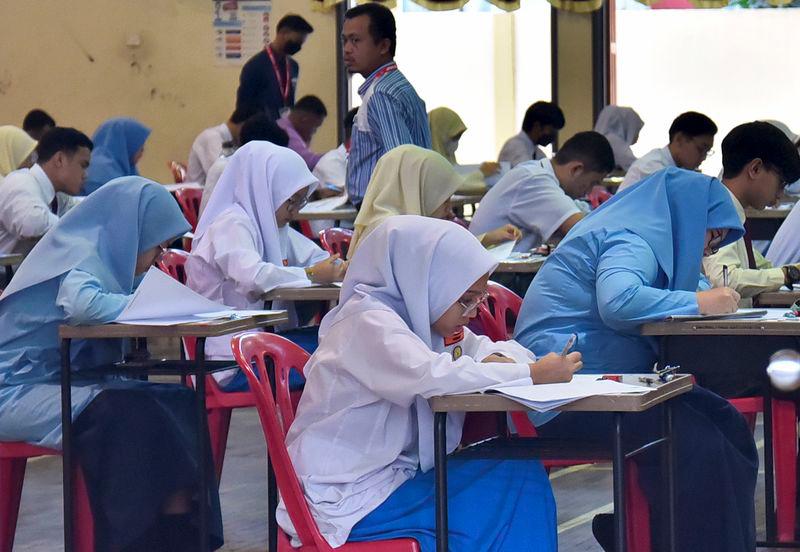
Dr. Anuar Ahmad, a senior lecturer at Universiti Kebangsaan Malaysia, has emphasized the importance of transparency and clarity in the government's new education assessment plan, particularly as it shifts from national exams to school-based assessments. His comments follow Education Minister Fadhlina Sidek's announcement in the Dewan Rakyat on November 26, which outlined a move away from exam-focused learning to alleviate student stress.
Minister Fadhlina stated that the ministry aims to adopt inquiry, exploration, and holistic learning methods to foster overall student growth rather than concentrating solely on academic results. This shift follows the abolition of the Ujian Pencapaian Sekolah Rendah in 2021 and the cancellation of the Pentaksiran Tingkatan Tiga in 2022, marking a significant move away from high-stakes examinations.
Dr. Anuar pointed out that the current education syllabus, drafted in 2012 and reviewed in 2017, remains heavily exam-oriented. He stressed that the existing assessment system does not align with the vision of a less exam-centric approach. He noted that parents have not received clear explanations regarding the implementation of the new assessment system, which has led to confusion and skepticism.
“Parents have not received a clear and reassuring explanation about how this new assessment will be implemented, making it difficult for them to trust and understand the change,” he said. He urged the ministry to proactively communicate the details of the new assessment system to the public to build trust and understanding.
While acknowledging that exams are still a necessary component of the education system, Dr. Anuar argued that they should not be the sole focus. He advocated for a balanced approach that includes various forms of assessment to support holistic development. He introduced the concept of “eustress,” a positive form of stress that can enhance student performance and well-being.
“Eustress is a short-term and manageable experience that can help students prepare, concentrate, and perform better,” he explained. However, he cautioned that stress can become detrimental when it is exacerbated by comparisons from parents, teachers, or schools, leading to chronic stress and burnout.
A World Bank report titled “Bending Bamboo Shoots: Strengthening Foundation Skills,” released on April 25, raised concerns about Malaysia’s education system, highlighting that despite significant government investment, Malaysian students are underperforming compared to their regional peers. By the end of Year 5, only 58% of Malaysian pupils are proficient in reading, trailing behind similar economies.
In response to these challenges, Sarawak has announced that Year Six pupils will undergo state-standardized assessments in Mathematics, Science, and English starting next year. This initiative aims to evaluate the effectiveness of the dual-language program and better prepare students for the Sijil Pelajaran Malaysia.
Dr. Anuar praised Sarawak’s initiative as a step towards addressing gaps in the education system and providing a more tailored approach to student evaluation. He expressed hope that the education minister would effectively address these issues and emphasized the need for careful planning.
The transition from an exam-oriented to a non-exam education system hinges on the government's commitment and the collaboration of parents and educators. Dr. Anuar's call for transparency and clear communication is crucial for fostering a balanced and effective educational environment that prioritizes student well-being and academic success. As Malaysia navigates these reforms, it is essential to ensure that the new assessment methods not only reduce stress but also enhance educational outcomes for students.