Battery Factories Are Driving Chinese Investment in Europe
-
 Loading...
 - Enrique Pantoja
- 11 May 2023
- 72 Views
- 0 Like
- 0 Comment
Battery manufacturers hailing from China are rapidly expanding their reach in Europe, driven by the rising demand for electric vehicles. This move is happening against the backdrop of a general contraction of Chinese investment in Europe. This trend is mainly due to the US Inflation Reduction Act, which aims to reduce American firms' reliance on China's supply chain. Chinese battery manufacturers have therefore directed their efforts toward Europe, which is the world's second-largest market for electric vehicles. A new study released by the Mercator Institute for China Studies and Rhodium Group reveals that battery makers from China have emerged as the primary source of Chinese investment in the region.
North America has mostly shunned these battery makers because of the US Inflation Reduction Act. Therefore, China has focused its attention on Europe, where few major firms produce batteries, making it an attractive market for Chinese investment. Chinese battery makers are building or expanding several plants in Europe, including Britain, France, Germany, and Hungary. They are meeting the demand for electric vehicle batteries, which is critical for European automakers to remain competitive globally.
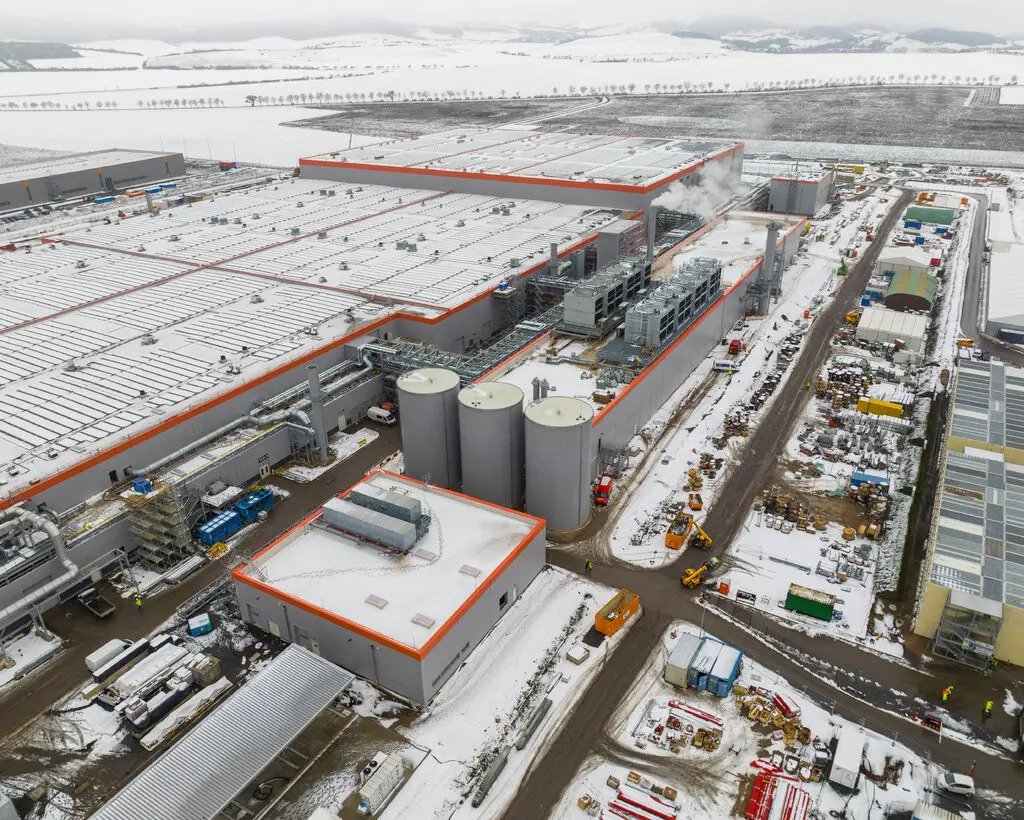
Since 2018, Chinese battery firms have announced investments worth $17.5 billion in Europe. Among these, Contemporary Amperex Technology Company Limited (CATL) plans to build Europe's largest factory of its kind in Hungary. However, the Chinese companies are also keen to expand their operations beyond batteries and build electric cars in Europe to meet the growing demand for E.V.s. This comes ahead of the European Union's scheduled ban on vehicles that emit carbon dioxide by 2035.
According to the study, "China's strength in green technologies is a good match for Europe's green agenda." The upsurge in battery factories in Europe comes amid a decline in Chinese investment in Europe. The study found that Chinese investment in Europe fell to 7.9 billion euros ($8.7 billion) in 2022, a 22% decrease from 2021 and the lowest in a decade. This drop is due to China's "zero Covid" restrictions, among other factors.
Furthermore, European governments are concerned about Chinese companies gaining access to their critical infrastructure. In 2022, Germany's economy ministry was compelled to re-examine whether Cosco, a Chinese state-owned shipping company, could acquire a stake of up to 25% in a terminal in Hamburg harbor. This happened because Chancellor Olaf Scholz had approved the sale last year. The increased wariness among European lawmakers towards Chinese investors also contributed to the decline in acquisitions. The heightened scrutiny of deals involving goods that can be used in both the military and private sectors, such as semiconductors, played a role.