Assessing Greece’s New Political Landscape and Key Developments
-
 Loading...
 - Thalia Doukas
- 02 Dec 2024
- 96 Views
- 0 Like
- 0 Comment
Greece’s political scene is undergoing significant shifts as parties adapt to leadership changes, emerging alliances, and policy challenges. These developments come amid pressing social issues and major events that are reshaping the nation's priorities.
The election of Sokratis Famellos as the new leader of the opposition SYRIZA party marks a pivotal moment for the leftist faction, which has faced considerable turmoil and declining support in recent months.
Leadership Changes in SYRIZA
Famellos, a moderate and unifying figure, steps into his role with the daunting task of mending internal divisions within SYRIZA and steering the party back toward governability. The party, which has seen its support slip into single digits in opinion polls, recently lost its status as the main opposition following the defection of several lawmakers. Famellos’ leadership will be crucial in revitalizing the party’s image and re-establishing its footing in Greek politics.
Compounding SYRIZA's challenges, former leader Stefanos Kasselakis has officially launched his new political party, the Movement for Democracy. Kasselakis now faces the significant hurdle of securing 10 MPs to form a parliamentary group, further fragmenting the leftist vote and complicating the political landscape.
Center-Left Dynamics: PASOK and New Left
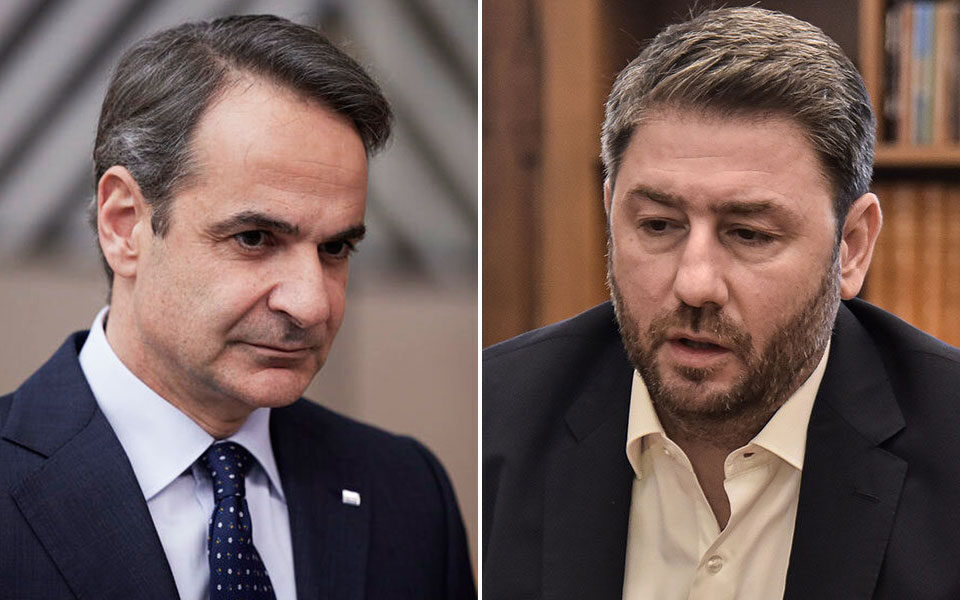
The recent leadership elections in PASOK and SYRIZA raise important questions about potential partnerships within the center-left space. PASOK, under the leadership of Nikos Androulakis, is positioning itself as the main opposition party, aiming to surpass the 20% approval threshold in polls. The upcoming parliamentary debate on the annual budget will be a critical test for Androulakis, marking his first significant confrontation with Prime Minister Kyriakos Mitsotakis since assuming his role.
Conversely, the New Left party has ruled out a return to SYRIZA following Kasselakis’ ousting. Instead, it seeks to bolster its support among voters and enhance its role within a potential center-left coalition, indicating a desire for greater autonomy in the evolving political landscape.
Center-Right Challenges and Government Priorities
On the center-right, the government is focused on minimizing the fallout from the recent expulsion of former Prime Minister Antonis Samaras and addressing the concerns raised by former Premier Kostas Karamanlis. Prime Minister Mitsotakis is contemplating a cabinet reshuffle and the introduction of a new electoral law, as well as potential candidates for the Presidency, as the government seeks to regain lost ground both to the center and the right.
Addressing Violence Against Women
In a poignant response to rising concerns about violence against women, organizations and political parties are organizing a rally in central Athens to mark the International Day for the Elimination of Violence against Women. This rally comes in the wake of two recent femicides and alarming data indicating that reported incidents of domestic violence have nearly doubled in the first ten months of 2024 compared to the same period in 2023. The government is also presenting its policies and measures to combat violence against women, highlighting a commitment to addressing this critical issue.
International Engagements
On the international front, new NATO Secretary General Mark Rutte is set to visit Athens, where he will meet with key government officials, including Prime Minister Mitsotakis and Defense Minister Nikos Dendias. This visit follows Rutte's meeting with Turkish President Recep Tayyip Erdogan in Ankara, emphasizing the importance of regional security and cooperation.
Additionally, the entire college of new European Commissioners is scheduled for a vote of approval by the European Parliament, with the potential for the Commission to take office on December 1. This transition in European leadership will have implications for Greece’s role within the EU.
Infrastructure Developments
In a positive development for infrastructure, the inauguration of Thessaloniki’s Venizelou metro station is set to take place on November 29, with Prime Minister Mitsotakis in attendance. This long-awaited project represents a significant investment in public transportation and urban development, promising to enhance connectivity in the region.
As Greece navigates this complex political landscape, the interplay between parties and their strategies will be critical in shaping the future. The challenges faced by SYRIZA, the ambitions of PASOK, and the government’s efforts to maintain stability all point to a dynamic environment where alliances and voter sentiments will play pivotal roles in the months to come. The ongoing discussions surrounding violence against women and international engagements further highlight the multifaceted nature of Greece’s political and social landscape as it moves forward.