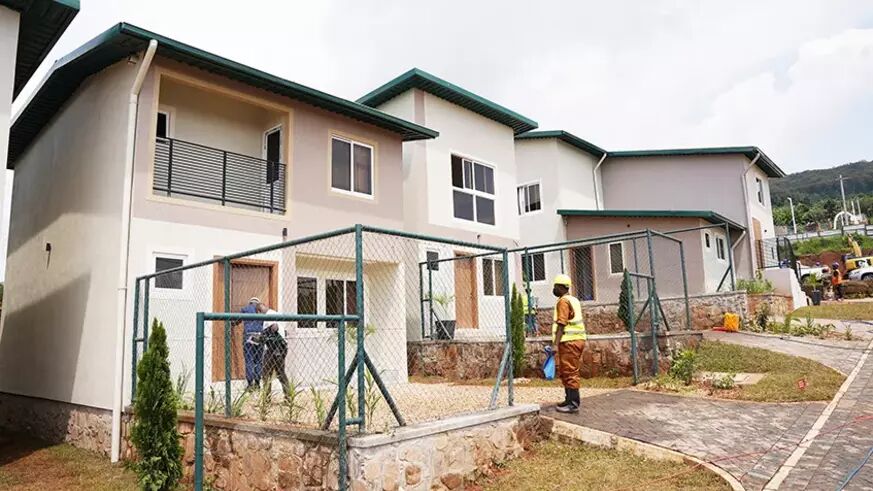
Are affordable housing projects viable in Rwanda?
-
 Loading...
 - Yusra Mutegi
- 22 Apr 2022
- 312 Views
- 0 Like
- 0 Comment
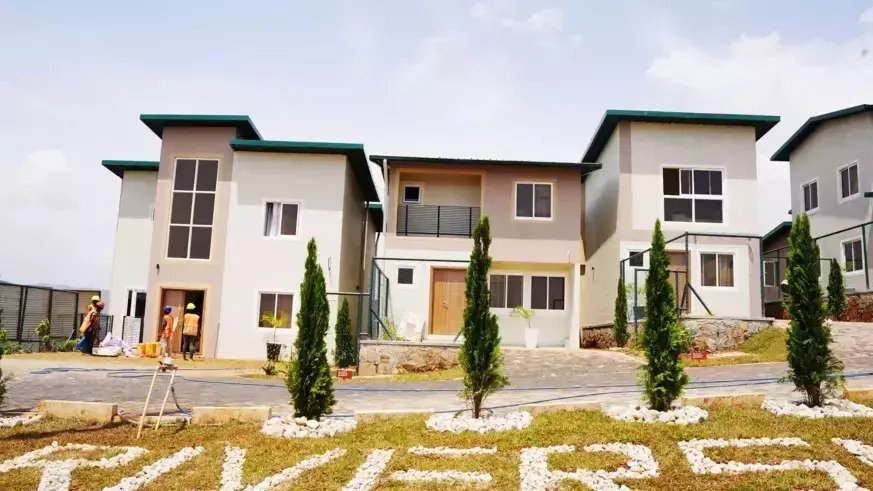
There is a need for integrated and tailored packages to pave the way for success of affordable housing projects in the country, real estate developers have suggested.
According to a recent study Kigali City alone needs 310,000 new housing units by 2032 or around 20,700 units every year.
However, less than 1,000 housing units are supplied every year.
Yves Sangwa, the CEO of Rwanda Green Building Organization told Doing Business that affordable housing projects could be successful in Rwanda, “once developers have access to cheap construction loans at least 8 per cent interest rate”.

“We have hope that Rwanda Development Bank –BRD is working on it. Actually the house buyer gets a loan at 11 per cent but the developer gets a loan at 18 per cent in commercial banks,” he said.
He said that considering that building materials and shipping prices have also increased due to Covid-19 pandemic, tax incentives from Rwanda Development Board and Rwanda Revenue Authority should be reviewed.
He added that the government should elaborate affordable housing green minimum compliance guidelines to make sure the constructed units are sustainable in terms of energy and water efficiency, indoor air quality and cost effectiveness.
Jean Baptiste Nsengiyumva, a researcher in urban planning and Disaster and Natural Hazard Risk Manager said that studies on affordability should first be conducted so that projects are implemented after being informed by studies to meet needs of different categories of income earners.
“Some categories seem to be excluded by the expensive house products. The design of affordable projects should be inclusive with inputs from beneficiaries,” he said, making the case for using a small piece of land to build storied-affordable houses.
Charles Haba another, player in the real estate sector, said that the government should inject more incentives to investors.
“Public Private Partnership is key in affordable projects. There is a need for direct support from the government. Some investors fear investing in affordable housing projects alone saying they are not profitable. It requires high cost in building affordable houses and the returns seem to be low and therefore subsidies such as providing land and basic infrastructure among others are needed,” he said.
Alexandre Nzirorera, a Rwandan engineer, who runs Nziza Training Academy that trains engineers told Doing Business that in general, affordable houses rent should not take more than 30 per cent of the earner’s income.
“Affordable housing projects could also be delivered when the government injects in enough subsidies,” he said.
Need for innovation
Nzirorera said that there is a need for innovation in the housing sector which can reduce the cost of affordable housing projects.
“We need innovations that think of how five families can be housed on a piece of land where people have beliefs that it can only house three families. Innovation is also needed in construction materials that can be made from different materials,” he noted.
He said that when investors first assess financial capacity of affordable houses’ clients, it can lead to innovation that responds to different levels of income earners’ demand.
“Government can organise talent competitions to identify innovation that can ensure affordability. Then investors will see that the business is viable,” he said.
He said that in order to avoid projects from stalling for long-time, local companies should also embrace technologies that can fast-track the work.
“There are dedicated and modern systems that are used to manage and fast-track construction projects but local companies are not shifting to use them,” he said.
The engineer added that technical studies of the projects are poorly designed explaining that this triggers projects’ recurrent re-designing and stalling. Read More...