Angola's Commitment to Conservation Creates a Haven for Ecotourism
-
 Loading...
 - Ejo Boamah
- 20 Sep 2024
- 50 Views
- 0 Like
- 0 Comment
Angola, with its incredible diversity of ecosystems, is emerging as a premier destination for ecotourism. The country's untouched and unspoiled natural beauty offers unparalleled experiences for travelers seeking to connect with nature.
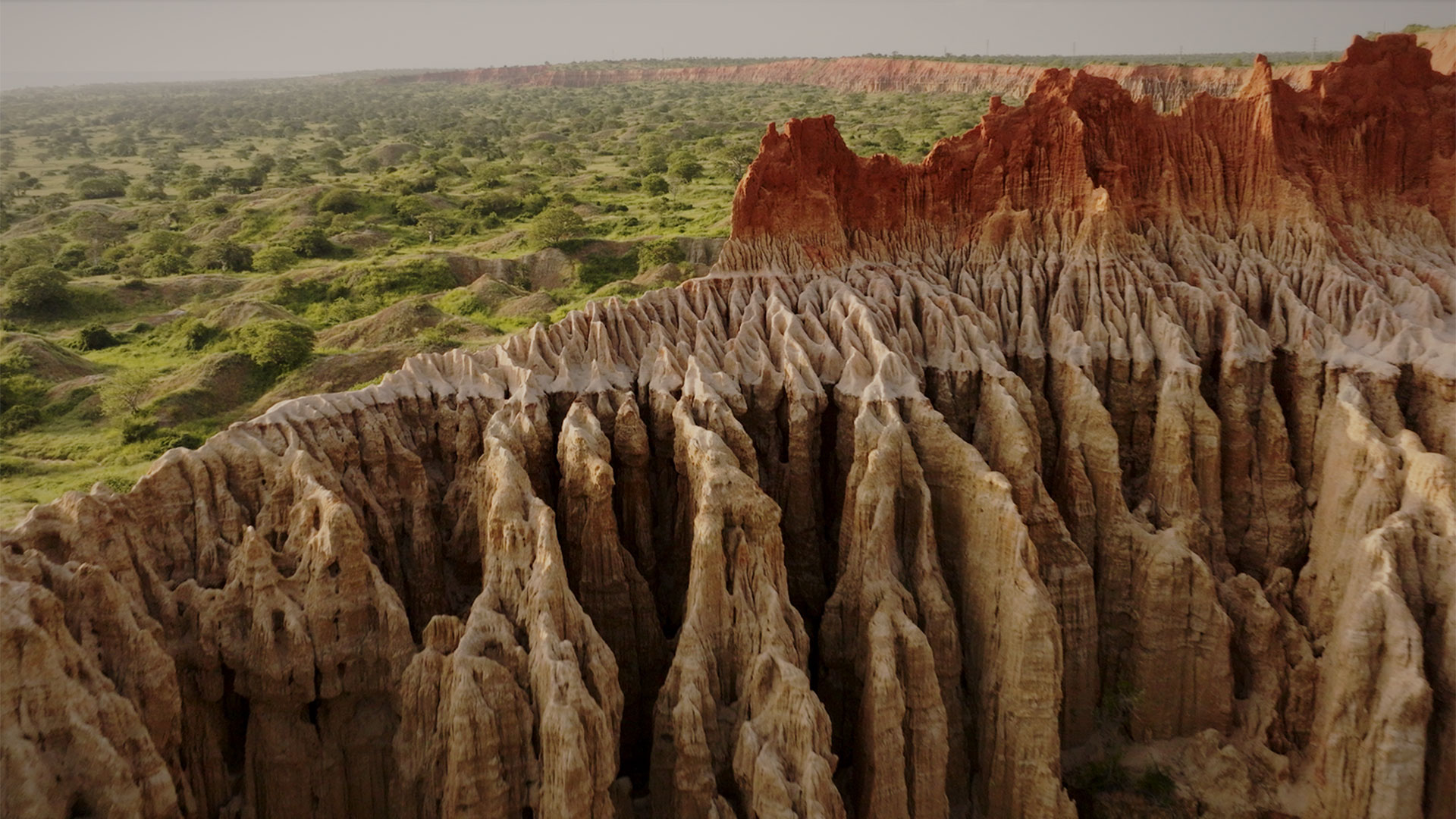
Each province in Angola boasts a unique landscape, from the lush Mavinga National Park to the grandeur of the Pungo Andongo rocks. The country's natural wonders include the serene Baia do Mussulo beach, the dramatic Kalandula Falls, and the vast Namib Desert.
Unlike many of its neighbors, Angola's tourism numbers remain relatively low, allowing visitors to experience wildlife and nature in its most authentic form. The country's low tourism density means that nature can be appreciated without being encroached upon, while improving hospitality infrastructure meets the expectations of global travelers.
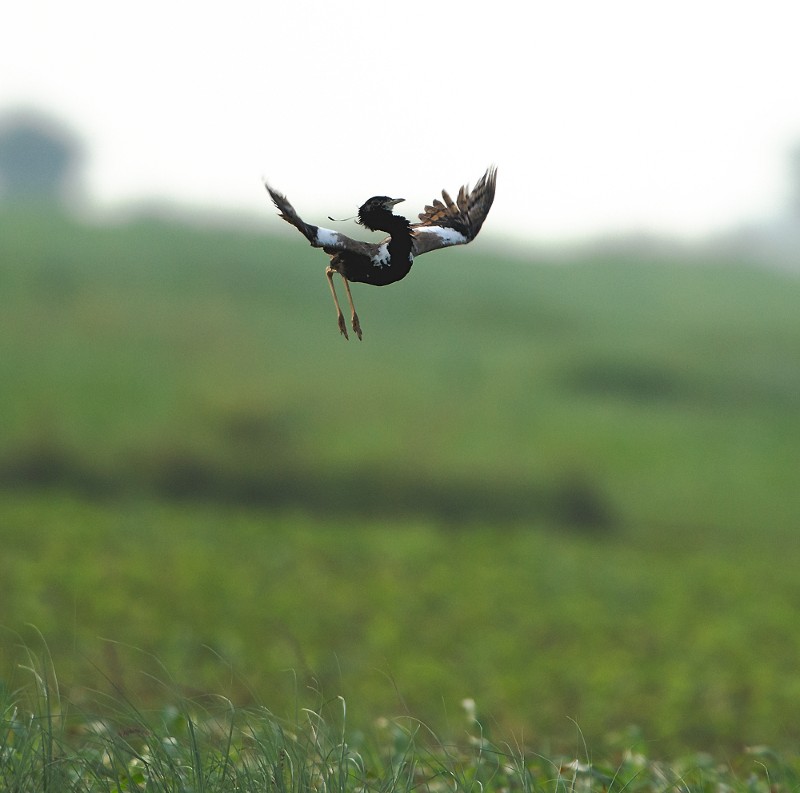
The Luengue-Luiana National Park, spanning 30,000 square kilometers, is a prime example of Angola's commitment to conservation. Opened to the public in 2011, the park's mission is to protect rare species, including the giant sable antelope, elephants, lions, and hippos. The park's isolation preserves habitats for land species and migratory birds, making it an exceptional birdwatching destination.
As sustainable travel grows in popularity, Angola is expanding its ecotourism offering to meet the demands of environmentally conscious travelers. The country is tapping into its ecotourism potential to craft unique adventures, while ensuring that visitors continue to support the recovery of landscapes and wildlife.
The government is reinvesting money made from travelers into moving local economies away from the wildlife trade. This includes shutting down illegal markets and providing alternative livelihoods for those in the illegal wildlife trade chain. Visitors can be assured that any trip to Angola will continue the important work of protecting the local ecosystem from damaging poaching practices.