Angola: Minister Highlights Women's Role in Stability, Family Cohesion
-
 Loading...
 - Blondel Mbe
- 18 Aug 2022
- 86 Views
- 0 Like
- 0 Comment
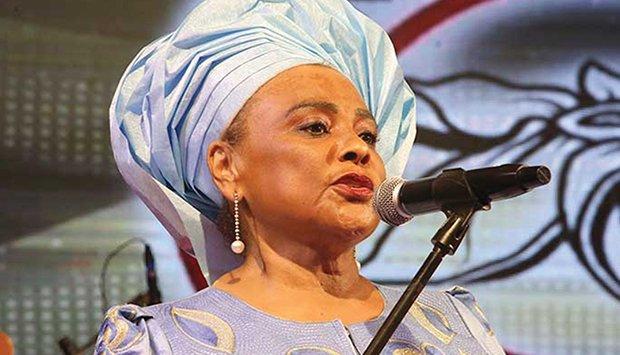
Angolan minister of State for Social Affairs Carolina Cerqueira highlighted in Luanda the women's role in stability, family cohesion and community development.
Carolina Cerqueira was speaking at celebration ceremony of the African Women's Day on July 31, stating that women have been able to reinvent solutions to reduce the difficulties of families in a pandemic period, particularly actions to protect children and rural women.
She added that they are aware of their obligations to help empower several women, provide financial autonomy to the most disadvantaged women, victims of armed conflict, violence, racism and discrimination.
According to her, improving their participation in the agricultural sector could contribute to economic growth, as long as they have access to training, new technologies and modern techniques for food production, processing and marketing.
The minister said it was necessary to guarantee access to credit and organisation in agricultural cooperatives, rural schools and modern equipment.
"The legal right to land, support for associations and empowerment for integration into the productive economy circuit are practical forms of support for rural women that easier their access to agricultural inputs, seeds and fertilizers, in order to achieve the tools that allow the opening of small workshops and starting family businesses", she asserted.
The official also pointed to training in basic management of small businesses, training in savings, production and marketing of products and the modernisation of agriculture and new land cultivation practices, including mechanisation, the creation of economies of scale and storage.
She also defended the implementation of social protection policies (support networks for my groups vulnerable to food and nutrition insecurity, facilitating their access to food and basic services - water, sanitation and health, in order to improve livelihood and promote social inclusion.
"Special attention should be given to children, pregnant women, the elderly, low-income families and people living with endemic diseases, such as HIV/AIDS. Small shops and community kitchens, basic food baskets, access to drinking water, free school meals and food education programs are already underway in several African countries," she said. Read More...