Home Upload Photo Upload Videos Write a Blog Analytics Messaging Streaming Create Adverts Creators Program
Bebuzee Afghanistan Bebuzee Albania Bebuzee Algeria Bebuzee Andorra Bebuzee Angola Bebuzee Antigua and Barbuda Bebuzee Argentina Bebuzee Armenia Bebuzee Australia Bebuzee Austria Bebuzee Azerbaijan Bebuzee Bahamas Bebuzee Bahrain Bebuzee Bangladesh Bebuzee Barbados Bebuzee Belarus Bebuzee Belgium Bebuzee Belize Bebuzee Benin Bebuzee Bhutan Bebuzee Bolivia Bebuzee Bosnia and Herzegovina Bebuzee Botswana Bebuzee Brazil Bebuzee Brunei Bebuzee Bulgaria Bebuzee Burkina Faso Bebuzee Burundi Bebuzee Cabo Verde Bebuzee Cambodia Bebuzee Cameroon Bebuzee Canada Bebuzee Central African Republic Bebuzee Chad Bebuzee Chile Bebuzee China Bebuzee Colombia Bebuzee Comoros Bebuzee Costa Rica Bebuzee Côte d'Ivoire Bebuzee Croatia Bebuzee Cuba Bebuzee Cyprus Bebuzee Czech Republic Bebuzee Democratic Republic of the Congo Bebuzee Denmark Bebuzee Djibouti Bebuzee Dominica Bebuzee Dominican Republic Bebuzee Ecuador Bebuzee Egypt Bebuzee El Salvador Bebuzee Equatorial Guinea Bebuzee Eritrea Bebuzee Estonia Bebuzee Eswatini Bebuzee Ethiopia Bebuzee Fiji Bebuzee Finland Bebuzee France Bebuzee Gabon Bebuzee Gambia Bebuzee Georgia Bebuzee Germany Bebuzee Ghana Bebuzee Greece Bebuzee Grenada Bebuzee Guatemala Bebuzee Guinea Bebuzee Guinea-Bissau Bebuzee Guyana Bebuzee Haiti Bebuzee Honduras Bebuzee Hong Kong Bebuzee Hungary Bebuzee Iceland Bebuzee India Bebuzee Indonesia Bebuzee Iran Bebuzee Iraq Bebuzee Ireland Bebuzee Israel Bebuzee Italy Bebuzee Jamaica Bebuzee Japan Bebuzee Jordan Bebuzee Kazakhstan Bebuzee Kenya Bebuzee Kiribati Bebuzee Kuwait Bebuzee Kyrgyzstan Bebuzee Laos Bebuzee Latvia Bebuzee Lebanon Bebuzee Lesotho Bebuzee Liberia Bebuzee Libya Bebuzee Liechtenstein Bebuzee Lithuania Bebuzee Luxembourg Bebuzee Madagascar Bebuzee Malawi Bebuzee Malaysia Bebuzee Maldives Bebuzee Mali Bebuzee Malta Bebuzee Marshall Islands Bebuzee Mauritania Bebuzee Mauritius Bebuzee Mexico Bebuzee Micronesia Bebuzee Moldova Bebuzee Monaco Bebuzee Mongolia Bebuzee Montenegro Bebuzee Morocco Bebuzee Mozambique Bebuzee Myanmar Bebuzee Namibia Bebuzee Nauru Bebuzee Nepal Bebuzee Netherlands Bebuzee New Zealand Bebuzee Nicaragua Bebuzee Niger Bebuzee Nigeria Bebuzee North Korea Bebuzee North Macedonia Bebuzee Norway Bebuzee Oman Bebuzee Pakistan Bebuzee Palau Bebuzee Panama Bebuzee Papua New Guinea Bebuzee Paraguay Bebuzee Peru Bebuzee Philippines Bebuzee Poland Bebuzee Portugal Bebuzee Qatar Bebuzee Republic of the Congo Bebuzee Romania Bebuzee Russia Bebuzee Rwanda Bebuzee Saint Kitts and Nevis Bebuzee Saint Lucia Bebuzee Saint Vincent and the Grenadines Bebuzee Samoa Bebuzee San Marino Bebuzee São Tomé and Príncipe Bebuzee Saudi Arabia Bebuzee Senegal Bebuzee Serbia Bebuzee Seychelles Bebuzee Sierra Leone Bebuzee Singapore Bebuzee Slovakia Bebuzee Slovenia Bebuzee Solomon Islands Bebuzee Somalia Bebuzee South Africa Bebuzee South Korea Bebuzee South Sudan Bebuzee Spain Bebuzee Sri Lanka Bebuzee Sudan Bebuzee Suriname Bebuzee Sweden Bebuzee Switzerland Bebuzee Syria Bebuzee Taiwan Bebuzee Tajikistan Bebuzee Tanzania Bebuzee Thailand Bebuzee Timor-Leste Bebuzee Togo Bebuzee Tonga Bebuzee Trinidad and Tobago Bebuzee Tunisia Bebuzee Turkey Bebuzee Turkmenistan Bebuzee Tuvalu Bebuzee Uganda Bebuzee Ukraine Bebuzee United Arab Emirates Bebuzee United Kingdom Bebuzee Uruguay Bebuzee Uzbekistan Bebuzee Vanuatu Bebuzee Venezuela Bebuzee Vietnam Bebuzee World Wide Bebuzee Yemen Bebuzee Zambia Bebuzee Zimbabwe
Blog Image

After 800 Years of Silence, Iceland’s Faultline Erupts Again – Scientists Fear It’s Just the Beginning

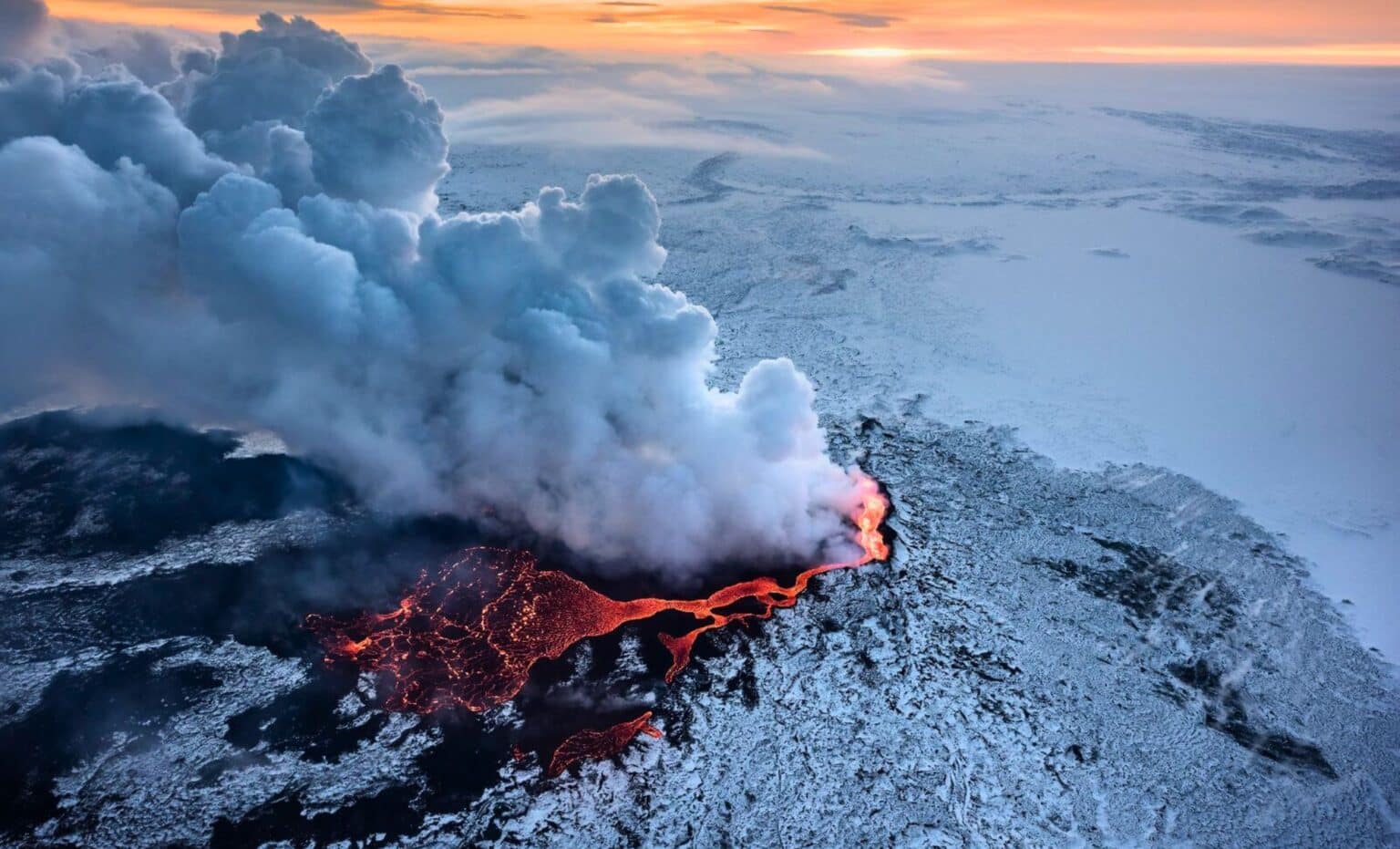
A long-dormant faultline beneath Iceland has suddenly awakened, sending lava surging through the quiet fishing town of Grindavík. Scientists are warning that this could be just the beginning of a much longer volcanic cycle, leaving the region’s future uncertain as pressure continues to build beneath the surface.

Iceland is situated atop the Mid-Atlantic Ridge, where the Eurasian and North American tectonic plates are slowly pulling apart. This geological process drives the country’s frequent volcanic activity, but the Reykjanes Peninsula had remained quiet for nearly 800 years. This changed in 2021, when the region experienced its first eruption in centuries. Since then, four additional eruptions have occurred, with the latest two affecting Grindavík happening within just a month of each other.

Volcanologists believe this trend is likely to continue. Patrick Allard, a researcher at the Institut de Physique du Globe de Paris, noted that the region has entered a new phase of tectonic activity that could last for years, or even decades.

Recent Eruptions and Their Impact

The most recent eruption on March 3, 2024, occurred with little warning, as lava rapidly emerged from fissures and engulfed parts of Grindavík, a fishing town located southwest of Reykjavik. Fortunately, most residents had been evacuated in advance due to earlier warnings. Prior to this, the area saw an eruption in February 2024, which also occurred with minimal notice. Both events suggest that magma is accumulating just beneath the surface, poised to break through at any moment.

While these eruptions have been relatively small, their frequency indicates a pattern of ongoing volcanic activity. Unlike the explosive Eyjafjallajökull eruption in 2010, which released vast amounts of ash into the atmosphere and disrupted air travel across Europe, the recent events have primarily involved lava flows rather than explosive eruptions.

The Risk to Infrastructure and Tourism

One major concern is the proximity of the eruptions to critical infrastructure. The Svartsengi geothermal power plant, which supplies electricity and water to around 30,000 people, is located near the affected area. If volcanic activity intensifies, measures may be needed to protect the facility from potential damage.

Tourism, a vital part of Iceland’s economy, has also been impacted. The Blue Lagoon, one of the country’s most famous geothermal spas, has been forced to close due to the recent eruptions. Authorities will need to assess the long-term viability of tourist operations in the region if volcanic activity continues.

What Comes Next?

Predicting future eruptions remains a challenge. While scientists can monitor magma movements beneath the surface, the short lead times for recent eruptions suggest that the region may continue to experience sudden and unpredictable activity. There is also a possibility of an underwater eruption, which could pose additional risks. When lava meets seawater, it can generate explosive steam-driven eruptions, potentially sending ash into the atmosphere. If this occurs, air travel disruptions similar to those seen in 2010 could become a concern.

As Iceland navigates this new phase of volcanic activity, ongoing monitoring and preparedness will be crucial in ensuring the safety of residents and the protection of infrastructure and tourism in the region.

Previous Post

How a Scientist Reversed His Biological Age and Why It Could Help Prevent Cancer

Next Post

Why Operational Intelligence is the Future of Business Efficiency?

Comments