Affordable Altitude: A Travel Guide to Ecuador's Cotopaxi
-
 Loading...
 - Filip Novotny
- 02 Aug 2022
- 93 Views
- 0 Like
- 0 Comment
Ecuador’s volcanic landscape presents a unique opportunity for intrepid explorers who want to break into high-altitude mountaineering.
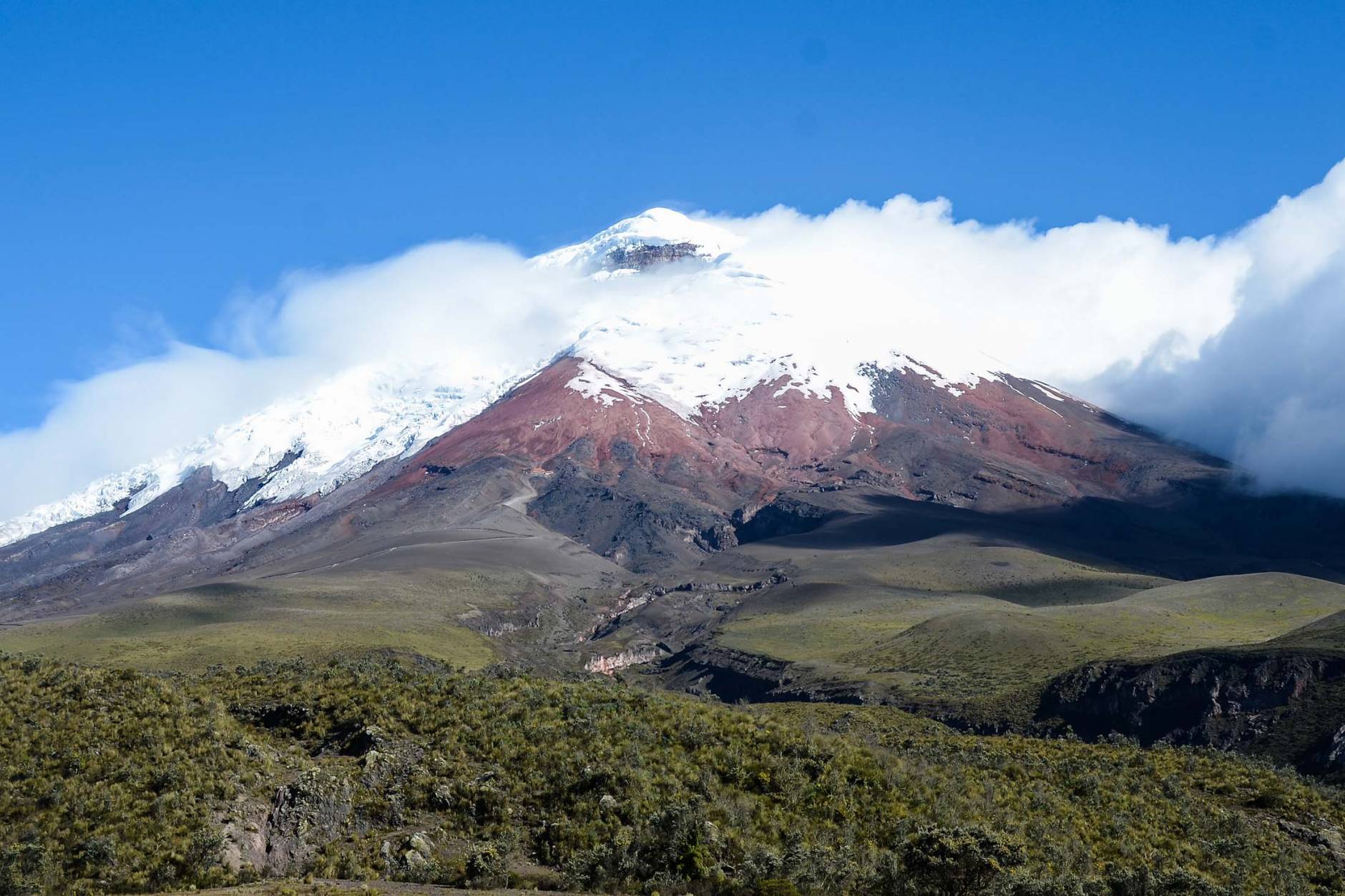
About an hour south of Quito, the nation’s capital, lies Cotopaxi National Park, a wilderness of green rolling hills interrupted by the jagged peaks of volcanoes. At the center of the park lies Cotopaxi, which translates from the local Kitchwa language as “neck of the moon.”
Rising to 19,000 feet, Cotopaxi is one of the tallest active volcanoes in the world and the second-highest mountain in Ecuador. These volcanoes hold a special place in the culture and history of Ecuador’s Indigenous peoples and continue to fascinate native Ecuadorians and the explorers who travel from all over the world to climb them.
While Cotopaxi poses a serious challenge, especially for hikers new to alpinism, the mountain’s most popular summit route avoids technical climbing. As a result, reaching the top requires only snow gear, crampons, and an ice axe, all of which are supplied by the park’s mandatory guides. It also helps to have a positive attitude in the face of freezing temperatures and brutal winds.
Few people die on Cotopaxi — only about one person yearly — but the mountain still has dangerous weather and a hike with over 3,000 feet of elevation gain. Mortal danger is unlikely, but reaching the top is still an accomplishment.
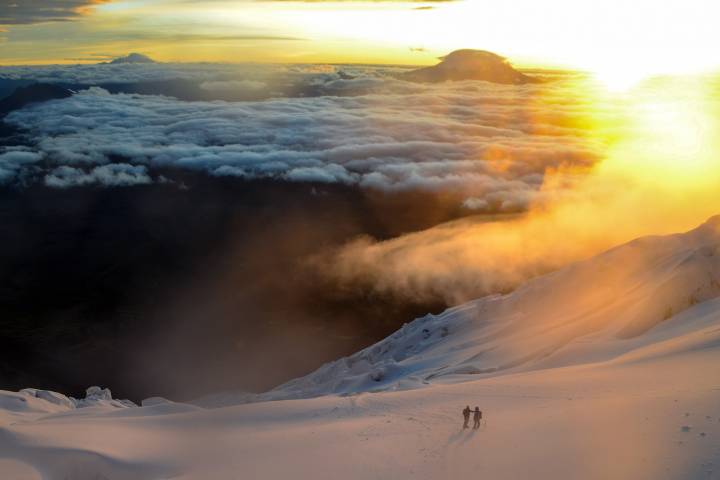
More importantly, sunrise from the slopes of Cotopaxi offers an unforgettable memory, illuminating a landscape that you’ll remember long after the blood has returned to your fingers.
If you’re looking for a new adventure, here’s what you need to know to maximize your chances of summiting this beautiful and mysterious mountain.
When to Go to Cotopaxi
The regular season for summiting Cotopaxi, and many other volcanoes in Ecuador, runs from June to July or December to January. The middle of the year usually entails exceptionally high winds blowing nonstop for days, while the end of the year often offers the best conditions, with less wind and rain.
That said, I spoke with several experienced local climbers who summited Cotopaxi at various times of the year. One such climber, a young Ecuadorian woman who has climbed many of Ecuador’s volcanoes, said she climbed Cotopaxi in March. She waited for a full moon and enjoyed a relatively easy hike. (It’s always a good idea to listen to the advice of locals.)
Transportation
To Quito
Flying to South America is relatively inexpensive, at least compared to destinations in Europe or Asia. That’s especially true for those living in New York or Miami, which have large populations of Ecuadorians and cheaper ticket prices as a result.
A flight to Quito from either of those cities can cost as little as $100-150. Adding a flight to those cities from anywhere else will likely cost $150-200, so a reasonable price range for flying to Quito is $100-400, depending on your location.
To Cotopaxi National Park
While Cotopaxi National Park is only an hour’s drive south of Quito, it’s 2 hours away from the capital’s airport. (That’s likely because Quito’s population of 2 million lives amid a steep mountain range at 9,350 feet, with no area for a decent runway.)
Paying a taxi for a 2-hour ride direct from the airport to your lodging will likely cost around $50-60. It’s cheaper to book accommodation first, and then ask the hostel or hotel for help with transportation. For example, if you’re staying at Secret Garden Cotopaxi, it’s relatively easy to get a shuttle to their Quito hostel and then another to their hostel in the park. It costs $10 for each trip.
As for getting to the mountain itself, the guiding services will take you there from your lodging.

Lodging
Tourism is vital to Ecuador’s economy, contributing more than 5% to its GDP. Most of that comes from the ecotourism of the country’s awe-inspiring mountains, rainforests, and the ever-popular Galapagos Islands.
Given the proximity of Cotopaxi National Park to Quito, it’s not surprising that travelers have many options for hostels catering to the hike-and-bike crowd. The biggest town near the park is Matachi, where travelers can find lodging and guiding services for Cotopaxi and other nearby volcanoes. Motivated travelers can find many other hostels in more secluded areas nearby. Read More...