A Sham Presidential Election in Tunisia
-
 Loading...
 - Nicole Bennett
- 11 Sep 2024
- 60 Views
- 0 Like
- 0 Comment
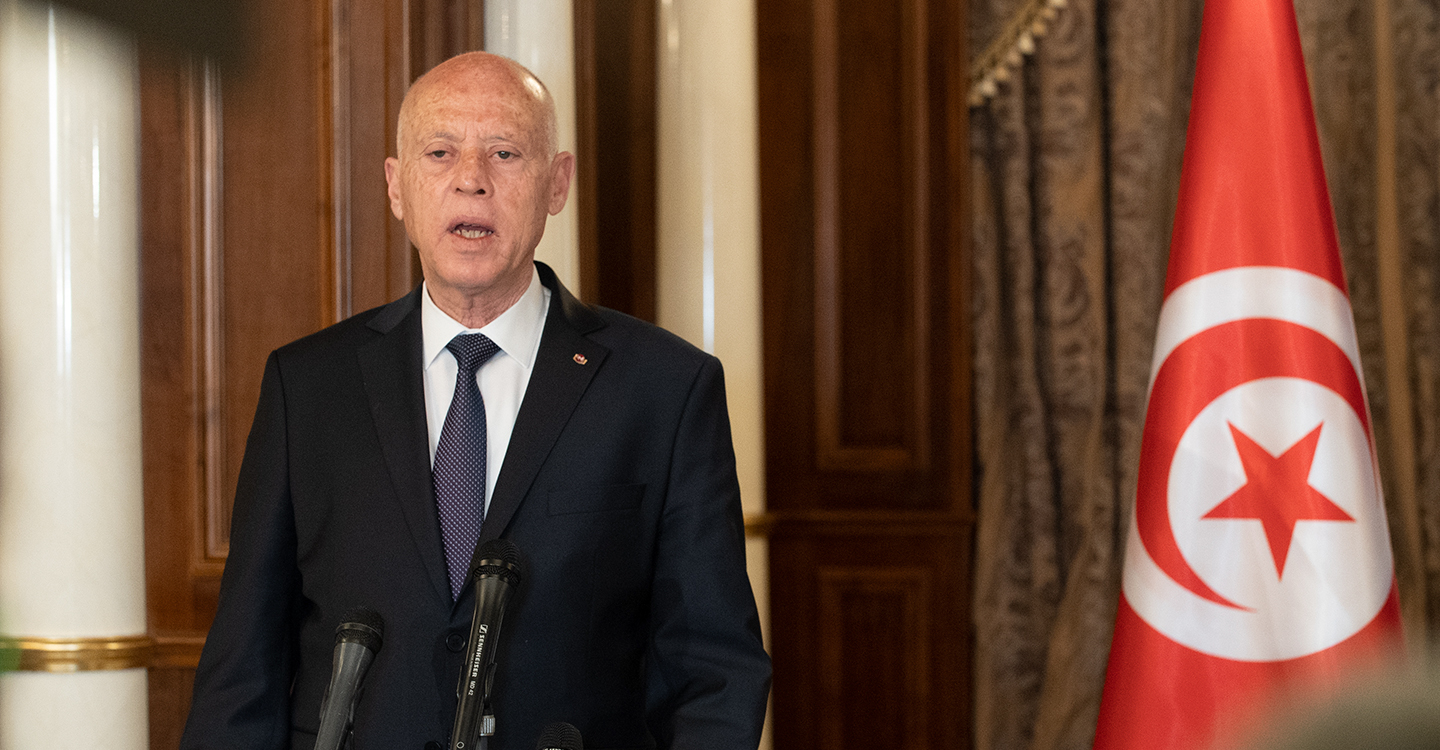
The upcoming presidential election in Tunisia, scheduled for 6 October 2024, is raising concerns about its legitimacy and fairness. President Kais Saied, who has been consolidating power since his 2021 coup d'état, is widely expected to secure a victory. The political context in Tunisia has been marked by increasing authoritarianism, with Saied dissolving the parliament, arresting political opponents, and suppressing media freedoms. Despite opposition hopes to use the election to challenge his rule, most credible candidates have been either arrested, barred from running, or disqualified by the Independent Superior Electoral Body (ISIE), which is seen as compromised due to its lack of independence from the executive.
Only three candidates have been accepted: Kais Saied, Ayachi Zammel, and Zouhair Maghzaoui. Zammel, however, was arrested on charges of falsifying sponsorships soon after his candidacy was approved. The ISIE's rejection of other candidates despite court rulings in their favor raises significant doubts about the election's transparency.
The political climate in Tunisia has become increasingly repressive, with opposition leaders and journalists facing arrest and intimidation. The President's regime has used Decree 54 to silence dissenting voices, and the media has been subjected to pressure and censorship. The arrests of candidates and opposition leaders have further undermined the legitimacy of the electoral process.
The probable victory of President Kais Saied in the election will only serve to consolidate his authoritarian grip on power. The legitimacy of his regime will remain fragile, and the democratic transition initiated in 2011 will be further eroded. The consequences of a sham election will be far-reaching, potentially leading to increased political instability and undermining the rule of law in Tunisia.