A Reflection of Post-1967 Egypt: A Review of Naïm Sabry's "Al-Hay Al-Sabie"
-
 Loading...
 - Helena Boyle
- 31 Jul 2024
- 65 Views
- 0 Like
- 0 Comment
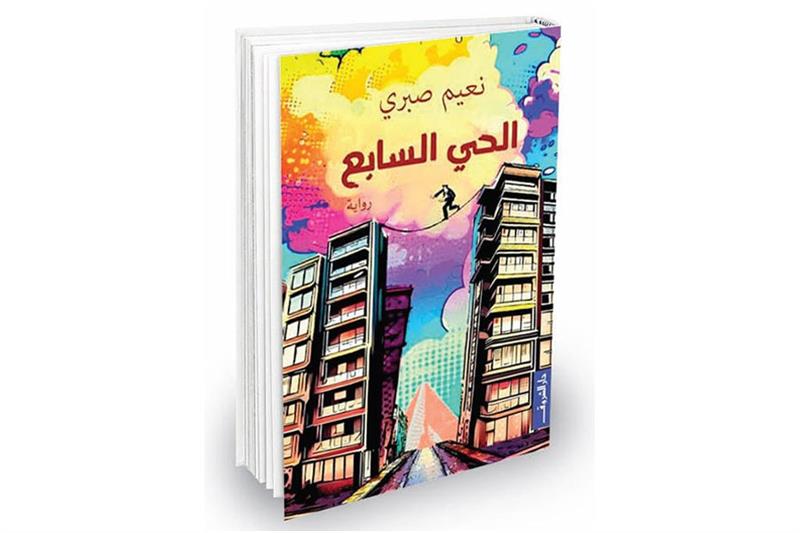
Naïm Sabry's novel "Al-Hay Al-Sabie" (Neighbourhood Seven) takes readers on a journey to post-1967 Egypt, where a group of friends returns to their homeland after five years in Libya. The author masterfully paints a picture of the era's social and economic climate, highlighting the personal stories of the residents of a building in Al-Hay Al-Sabie, a district in Madinat Nasr.
The novel is a stark contrast to Sabry's earlier work, "Shubra," where he reminisces about his childhood in a working-class neighborhood in the 1950s and 1960s. In "Al-Hay Al-Sabie," the author draws inspiration from the people he knew and the context is post-war Egypt, where the 1967 crisis has led to a deterioration of the economy and a rise in unemployment.
Sabry presents the building as a microcosm of society, where the lives of the accountant, doctor, engineer, trader, currency trafficker, and neighbors intersect. The descriptions of the light, decor, and costumes invite readers to become intimately acquainted with the characters and their emotions.
The author's own experiences are reflected in the novel, as he too was forced to leave Egypt in search of better opportunities. The Iran-Iraq war and falling oil prices led to a recession, and many migrants returned to Egypt, only to find a country plunged into chaos. The streets were dirty, trash littered the sidewalks, and street vendors displayed their wares on the ground.
The novel also explores the impact of the economic openness policy (infitah) by President Sadat, which Sabry links to the sharp rise in crimes and misdemeanors in Egypt at that time. The author's observations of failure are a result of the crisis, which pushed the younger generation to leave the country in search of work.
In conclusion, "Al-Hay Al-Sabie" is a powerful reflection of post-1967 Egypt, where the personal stories of the residents of a building in Madinat Nasr serve as a microcosm of the country's social and economic climate. Naïm Sabry masterfully paints a picture of the era, highlighting the impact of the 1967 crisis, the rise of unemployment, and the adoption of economic openness policies. The novel is a must-read for anyone interested in understanding the complexities of post-war Egypt.