A new way of understanding India's Modern and contemporary art laid out in new book
-
 Loading...
 - Maira Chawla
- 18 Oct 2022
- 85 Views
- 0 Like
- 0 Comment
“Prolixity is not alien to us in India,” wrote the economist and philosopher Amartya Sen in his acclaimed book The Argumentative Indian (2005). “We do like to speak,” he added. Moving Focus, India: New Perspectives on Modern and Contemporary Art, edited by the gallerist and SOAS postgraduate Mortimer Chatterjee, founder of Chatterjee & Lal (Mumbai), is testimony to these assertions.
Born of late-night conversations among friends arguing about the works that mattered most, this two-volume publication brings together a selection of art hits compiled by 54 contributors: a range of artists, curators, writers and historians from the international Indian art world. Akin to a Desert Island Discs model, each nominator chose five works, each work then qualified by a short text and the whole collection contextualised by eight essays and a transcribed roundtable discussion.
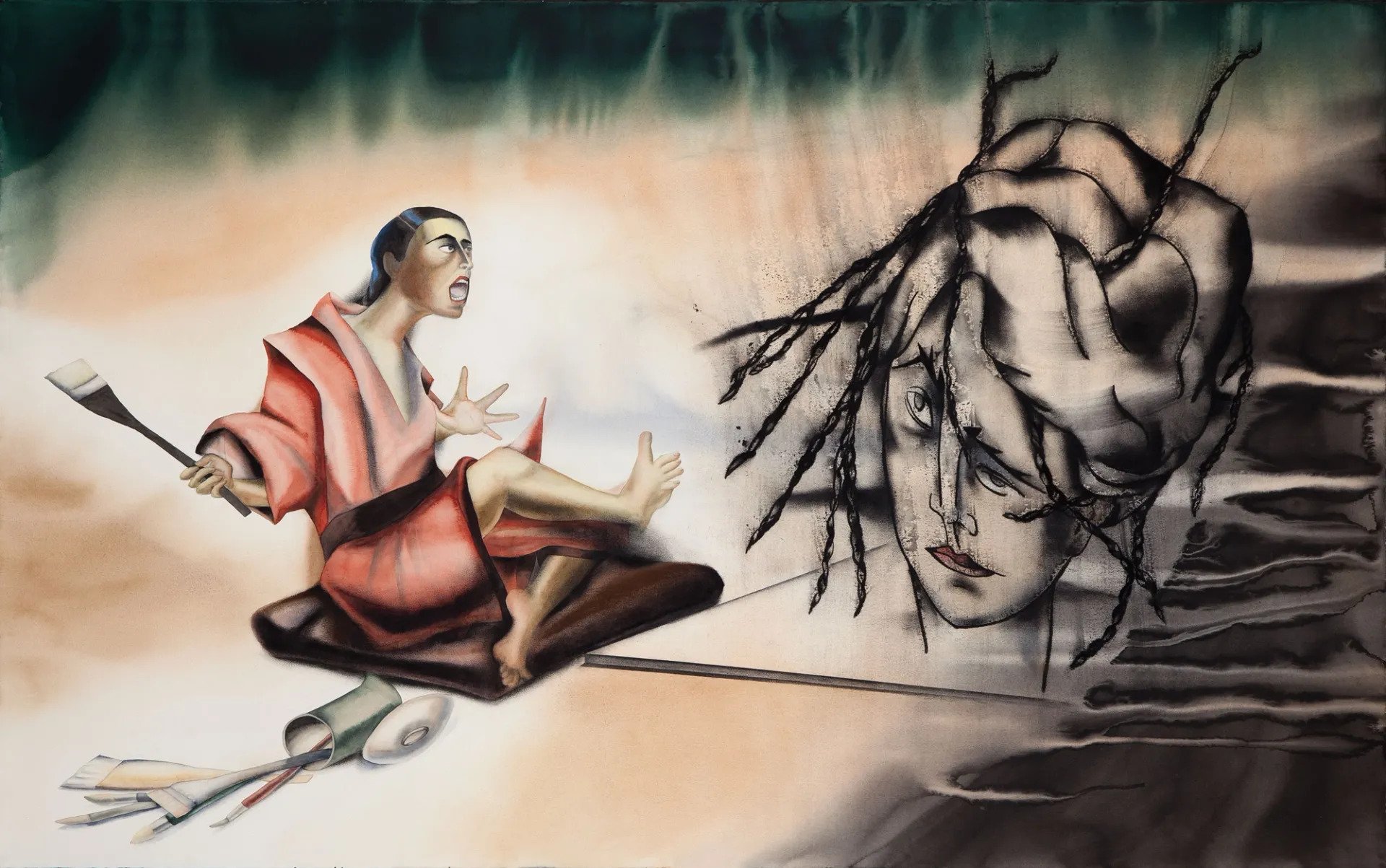
Both loquacious and visually abundant, Moving Focus, India is a sprint through many opinions, and replete with the inevitable contradictions and crossovers that any collective endeavour entails. It is both a revealing and unenviable task to whittle down Modern and contemporary art-making and then select your cream of the crop. The aggregation of tastes throws up some expected selections skewed to more established artists: the gloriously intensive studies of daily life by India’s “first Pop artist”, Bhupen Khakhar, a key national and international figure in 20th-century painting, appear five times; contemporary painter Anju Dodiya’s figurative watercolours (often with charcoal), evoking intense autobiographical and psychological dramas, are nominated four times.
But the idiosyncratic selection process ensures that there are many intriguing and refreshing choices. Diva Gujral, an associate lecturer at University College London, selects the performance artist Amitesh Grover’s poetic text projections, No.90 (2020, from Velocity Pieces), that shone from display boards at New Delhi’s Goethe-Institut. Read More...