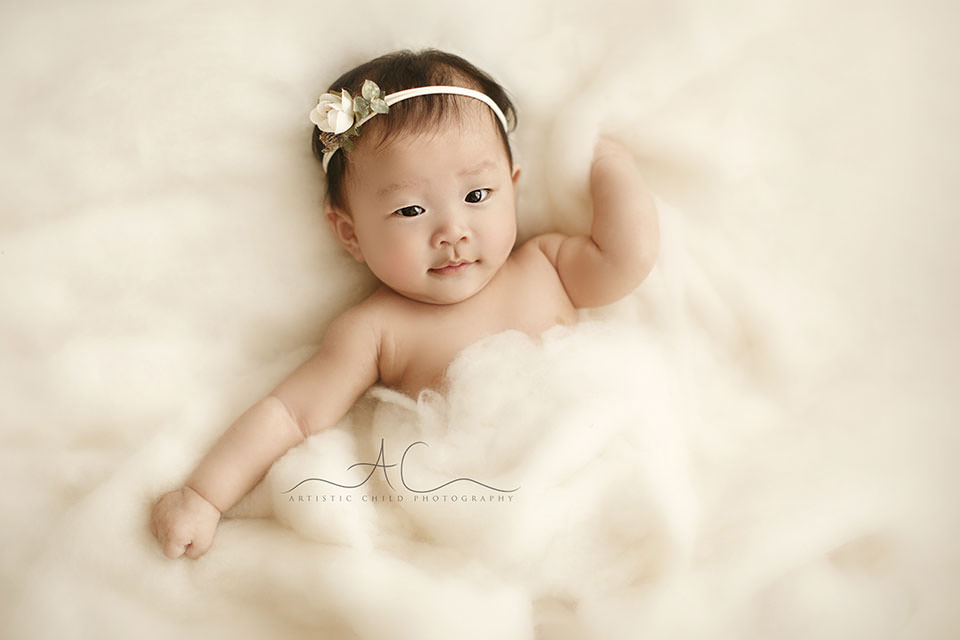
8 Tips for Photographing Newborns: Capture Precious Moments with Ease
-
 Loading...
 - Banyul Nur
- 11 May 2023
- 50 Views
- 0 Like
- 0 Comment
Looking for tips on photographing newborns? Discover 8 essential tips to create stunning newborn portraits. Plan ahead, shoot in Manual mode, and choose the right lighting for captivating photos. Zoom in and out to vary compositions and create beautiful memories. Read on for expert advice!
Welcoming a newborn into your life is an incredible experience filled with joy and love. As a parent or a photographer, capturing those precious moments through photography is a wonderful way to preserve memories that will last a lifetime. However, photographing newborns can be a challenging task, requiring careful planning and attention to detail. In this article, we will explore 8 valuable tips to help you capture stunning portraits of newborns that you can cherish forever.
8 Tips for Photographing Newborns
Tip 1: Plan Ahead: Create a Shot List Before Photographing Your Newborn
Before you embark on your newborn photography session, it's crucial to plan ahead and create a shot list. Jot down the specific poses, props, and setups you want to include in your photos. This preparation will help you stay organized and ensure you capture all the shots you desire. Whether it's adorable sleeping poses or heartwarming family moments, having a shot list will guide your session and make it more efficient.

Tip 2: Shoot in Manual Mode for Best Results
To have full control over your newborn photography, it's essential to shoot in Manual mode. Manual mode allows you to adjust the settings of your camera, such as aperture, shutter speed, and ISO, to achieve the desired exposure and creative effects. By mastering Manual mode, you can capture the softness and delicacy of a newborn's features, resulting in breathtaking photographs that truly reflect their innocence.

Tip 3: Ensure Even Lighting and Soft Shadows in Newborn Photography
When photographing newborns, lighting plays a crucial role in creating a captivating image. Aim for soft, diffused lighting that minimizes harsh shadows and highlights the baby's features in a gentle, flattering way. Natural light from a window or a softbox can provide beautiful illumination. Be mindful of the direction of the light and avoid using direct, harsh light that can create unflattering shadows.
Tip 4: Choose the Right Time to Photograph Your Newborn
Timing is everything when it comes to newborn photography. Ideally, schedule your session within the first two weeks after the baby's birth. During this period, newborns tend to sleep deeply and curl up naturally, allowing you to capture those adorable and peaceful moments. However, every baby is different, so be patient and flexible during the session, as you may need to work around their feeding and sleeping schedule.

Tip 5: Zoom In and Out to Vary the Composition of Your Newborn Portraits
To add visual interest and create a diverse set of newborn portraits, experiment with zooming in and out. Close-up shots can capture the tiny details of your baby's features, such as their tiny fingers, button nose, or fluttering eyelashes. On the other hand, zooming out allows you to include more context, such as the nursery or the loving embrace of parents or siblings. Varying the composition will give you a wider range of options when selecting the final images.
Tip 6: Capture Genuine Emotions and Connections
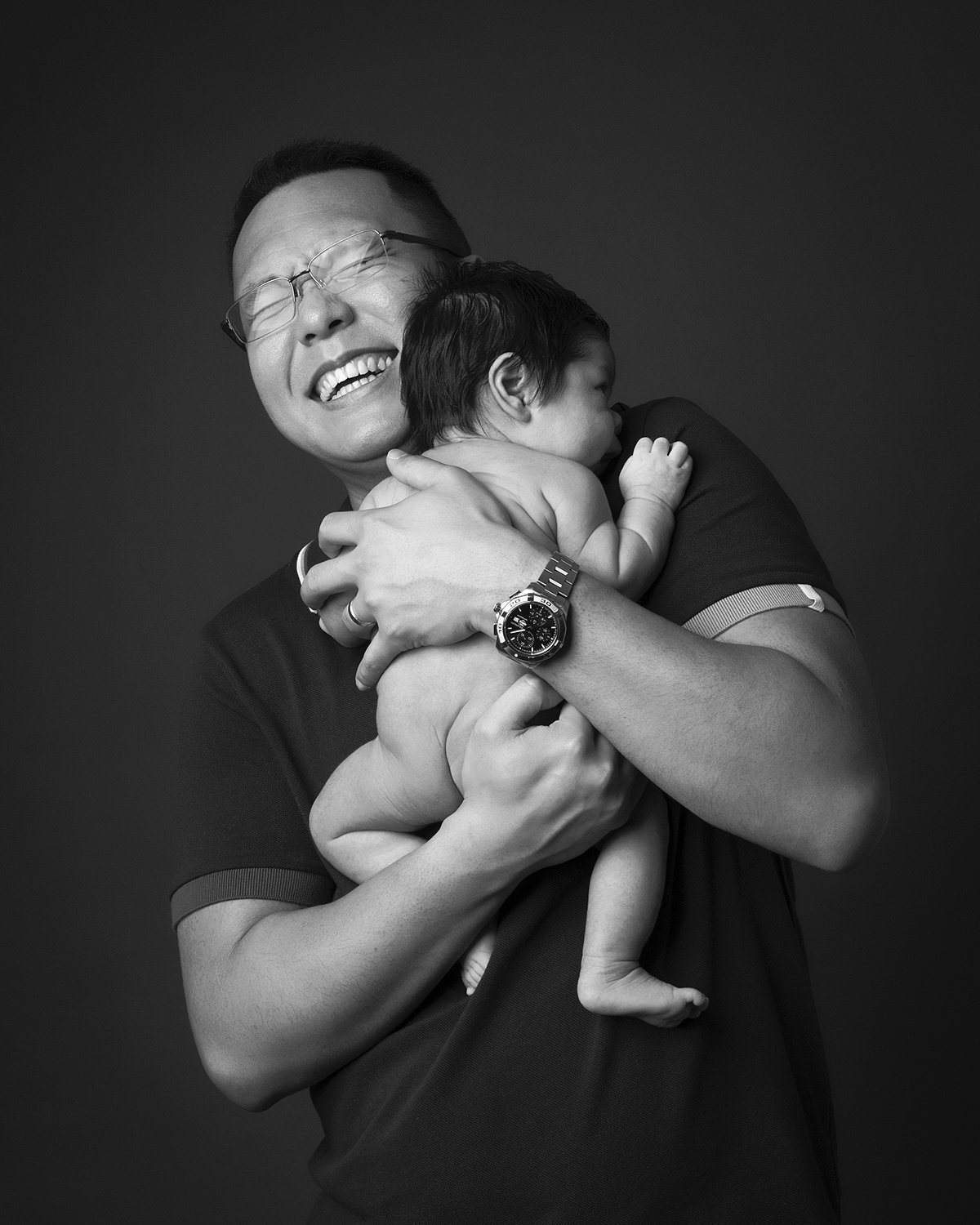
Beyond the adorable poses and sleepy smiles, newborn photography is an opportunity to capture genuine emotions and connections. Encourage parents and siblings to interact with the baby naturally, capturing the love, tenderness, and awe they feel. These authentic moments will make your photographs even more special and evoke heartfelt memories for years to come.

Tip 7: Embrace Natural Props
When it comes to newborn photography, incorporating natural props can add a touch of charm and whimsy to your images. Consider using soft blankets, delicate wraps, or handmade knitted items that complement the baby's delicate features. You can also incorporate elements from nature, such as flowers, leaves, or wooden crates, to add texture and interest to your compositions. Remember to prioritize the comfort and safety of the baby when using props, ensuring they are secure and gentle.
Tip 8: Be Patient and Flexible
Photographing newborns requires patience and flexibility. Babies can be unpredictable and may need breaks for feeding, changing, or soothing. Allow ample time for breaks during your session, ensuring the baby remains comfortable and content throughout. Patience is key in capturing those perfect moments, so don't rush the process. Embrace the opportunity to observe and capture the baby's unique expressions and personality as they naturally unfold.
Frequently Asked Questions (FAQs)
Q1: Can I use a smartphone to photograph newborns?
A1: While smartphones have advanced camera capabilities, using a dedicated DSLR or mirrorless camera will offer more control over settings, image quality, and creative options. However, if you don't have access to a professional camera, you can still capture beautiful newborn photos with a smartphone by utilizing natural light, composing carefully, and editing the images for the best results.
Q2: How can I ensure my newborn remains safe during the photography session?
A2: Safety should be the top priority when photographing newborns. Always have an assistant or a parent present to ensure the baby's well-being. Use proper support and gentle posing techniques, and never force the baby into uncomfortable or potentially harmful positions. Keep the room warm and be cautious with any props or accessories used. If you're unsure about certain poses or setups, it's best to consult with experienced newborn photographers.
Q3: Should I use a flash for newborn photography?
A3: It's recommended to avoid using a direct flash when photographing newborns. The harsh light can startle the baby and create unflattering shadows. Instead, opt for natural light or use a diffuser or reflector to soften the light source. If you must use artificial lighting, consider using a softbox or bounce the flash off a white surface to achieve a softer, more flattering effect.
Q4: How can I calm a fussy newborn during the session?
A4: Newborns can get fussy or irritable during a photography session. To help calm the baby, maintain a warm and comfortable environment, swaddle them securely, and use gentle rocking or soothing techniques. Playing soft music or using white noise machines can also create a relaxing atmosphere. Remember, the baby's comfort and well-being should always come first, so be patient and understanding throughout the session.
Q5: What post-processing techniques can enhance newborn photos?
A5: Post-processing can enhance the overall look of newborn photos. Consider adjusting the exposure, contrast, and white balance to achieve a pleasing tone and mood. Be mindful not to over-edit or alter the baby's natural features. Softening the skin, enhancing details, and applying gentle vignettes can also add a touch of artistry to your images. Experiment with different editing styles, but remember to maintain a timeless and natural look.
Q6: Can I photograph newborns outdoors?
A6: While outdoor newborn photography can create stunning and unique images, it's essential to prioritize the safety and well-being of the baby. Newborns are sensitive to temperature changes, sunlight, and environmental factors. If you choose to photograph outdoors, do so in a shaded area or during a mild weather condition.