7 Winter Surfing Tips to Keep You From Freezing to Death
-
 Loading...
 - Cyrillus Benitez
- 20 Jul 2022
- 104 Views
- 0 Like
- 0 Comment
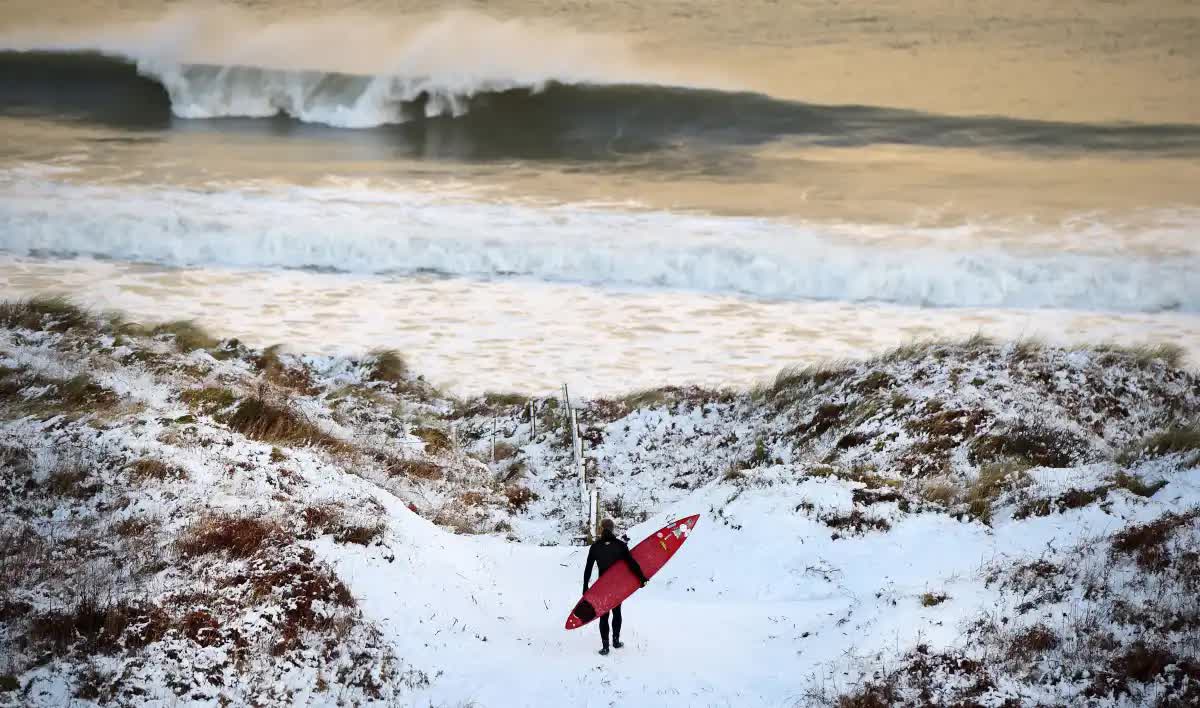
There’s something liberating about winter surfing: trotting through newly fallen snow—a surfboard wedged underarm—straight into frigid shallows. The life-affirming cold creeping in as you stroke out through glassy crests toward the swells, a steel-grey sky stretching for miles overhead as snowflakes cascade onto a sparse lineup.
After, you slip on a wool sweater and set up next to a fire to thaw your hardened muscles and relive your session with friends.
Except that isn’t really what winter surfing is like. The reality is you’re more consumed by and concerned about getting blood back in your toes and the stench of your rancid wetsuit out of your hatchback.
Still want to get your feet wet? Consider this your blueprint. Here are seven practical tips and tricks for safe (and enjoyable) winter surfing.

1. Don't Be a Hero
Shredding in you-can-lose-a-toe-it’s-so-cold water is foolish. Your goal is to simply surf at the same level you would in warmer months, not break a record, or prove how much of a man you are. Keep in mind water temperature is typically about two months behind air temperature. Winter surfing is generally done in water below 50°F. When it dips into the 30s, that’s a new level of commitment. And while salt water freezes around 28.5°F, that’s usually only a factor for those residing in the norther realm. Simply put, even those with experience are better off saving a surf day for manageable temperatures.

2. Suit Up
In many ways, your wetsuit is more important than your board. Wetsuits are measured in millimeters of thickness, so winter will require a 4mm or 5mm—plus boots, gloves, and a hood. Most companies make 6mm suits, but they’re pretty cumbersome, so opt for the 5mm. And you need the fit to be immaculate, so go to a surf shop rather than buying online, even if it means dropping more cold hard cash, ‘cus Amazon doesn’t have a changing room and their staff knows nothing about ball shrinkage. Bottom line: Loose boots are a menace and tight gloves will slow circulation.

3. Hydrate
“I used to drink all this hot coffee before I’d surf,” says Casey Lockwood, a former pro surfer. “It would warm me up, but it’s actually counterintuitive once you get in the water. Coffee dehydrates you, and you get colder faster.” Guzzle a couple glasses of water and save the coffee for later. Proper hydration is key to improving blood flow.

4. Stretch It Out
Warm up as you would for any other workout. Stretch indoors and at the water’s edge, as muscles tend to tighten up in water 37° and below. You might even want to get out of the water after a few waves for additional stretching if you’re feeling tight and immobile.

5. Use the Right Board
If this is your first winter in the drink, high performance should be the last thing on your mind. With your full winter armor on, you’ll be about 10 to 15 pounds heavier in the water, which means you need a more substantial board to keep you afloat. You don’t necessarily need a longer board, but a wider one will help. A heavier board is also handy for momentum with stiff offshore winds in the equation. Make sure you get a cold wax, too, that’s suited for 58°F and below. Read More...