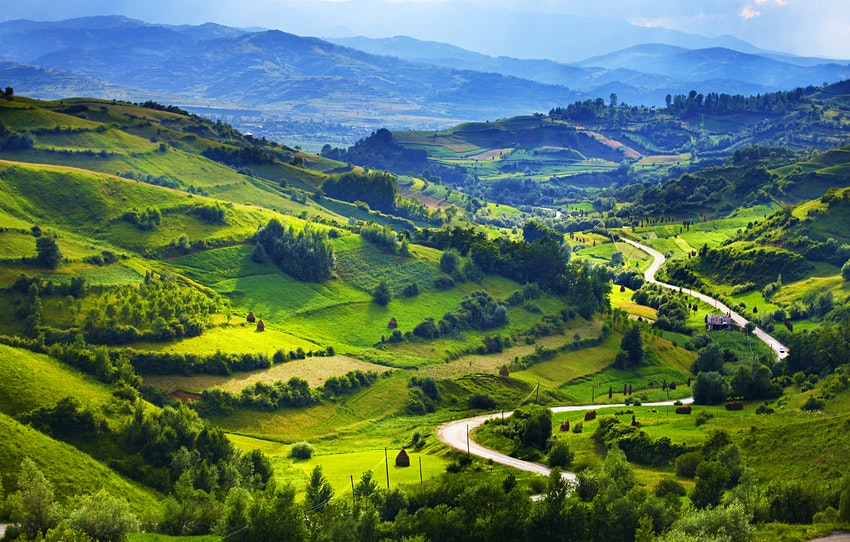
7 unmissable things to do in Romania
-
 Loading...
 - Nathan Price
- 21 Feb 2022
- 403 Views
- 0 Like
- 0 Comment
Situated in the southeastern corner of Europe, on the shores of the Black Sea, Romania has so far largely missed out on the global tourism boom. Tenuous associations with Bram Stoker’s fictional Dracula have long lured travellers to Transylvania, but much of the rest of the country, with its beautiful mountains and river valleys, rustic villages, and vibrant cities, has only recently begun to attract visitors. Before word gets out, here are seven exciting experiences awaiting you in Romania.
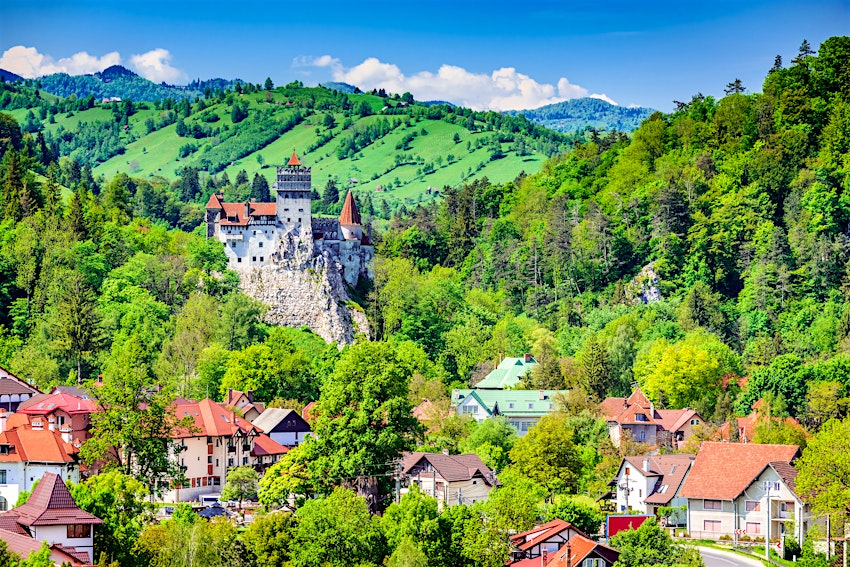
Gawk at immense Bran Castle
Bran Castle is often associated in the public eye with Dracula, and this wouldn’t be an article on Romania without a nod toward the infamous count, but the only bloodthirsty nobleman who ever stayed here was probably Romania’s own Vlad ÈšepeÈ™ (aka Vlad the Impaler), a 15th Wallachian prince who was famed for spiking the heads of his Turkish adversaries. But Bran doesn’t need Dracula to induce awe. The castle’s enormous mass of turrets and castellations, all looking over a foggy, desolate mountain pass, pretty much recalls every horror film ever made.
Admire the painted monasteries
The Unesco-protected, 15th-century painted monasteries of Bucovina show off not just Romania’s enduring devotion to its Latin-flavoured Orthodox tradition, but also superb artistry and craftsmanship. The elaborate frescoes adorning both the interiors and exteriors of the half-dozen or so churches were largely inspired by the Moldavian prince and hero, Stephen the Great (Åžtefan cel Mare). The frescoes illustrate everything from biblical stories to the 15th-century siege of Constantinople. The dizzying matrix of colours and intricate detail, like at the stunning VoroneÅ£ Monastery, blend effortlessly with remote natural surroundings.
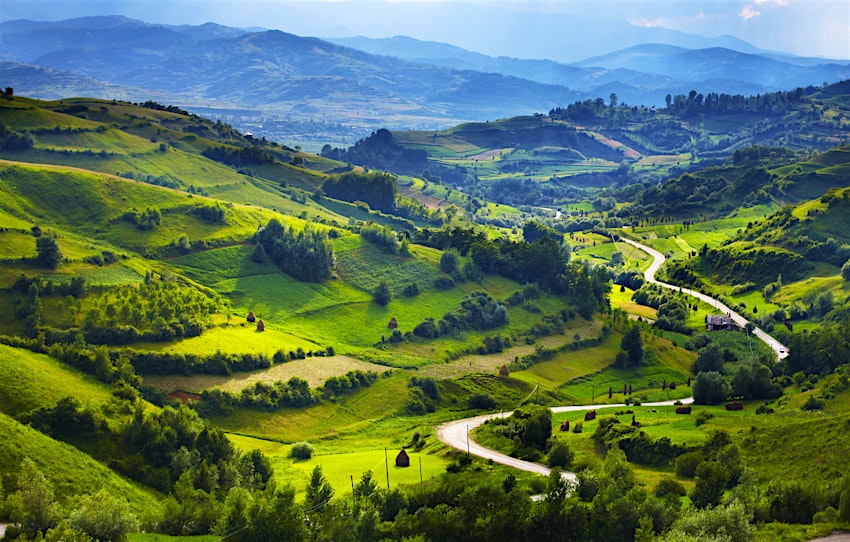
Step back in time in MaramureÅŸ
A visit to MaramureÅŸ in far northern Romania, above Transylvania, is like a trip back to a simpler, more rustic, more rural past. Isolated villages, separated from one another by vast, rolling fields and forested hillsides, cluster around stark wooden churches with weather-beaten, Gothic-style steeples. The region is home to several Unesco-listed churches, including at Bârsana, BudeÅŸti, DeseÅŸti, Ieud and SurdeÅŸti. Stay for the weekend to see the villagers don their traditional Sunday dress.
See the Saxon splendour of Transylvania
Around 800 years ago, the Hungarian kings invited Saxon Germans to settle hilly Transylvania as a way of protecting the region from encroachment by the Ottoman Turks. That Saxon legacy lives on in the form of beautifully preserved cities like BraÅŸov, SighiÅŸoara and Sibiu, the latter of which still occasionally refers to itself by the German ‘Hermannstadt’. Admire the architectural heritage at SighiÅŸoara’s Citadel fortress or BraÅŸov’s Black Church. Don’t pass up the chance to see the pretty Saxon villages, straight out of a Grimms’ fairy tale, at Biertan and Viscri.
Boat or bird-watch on the Danube Delta
After meandering more than 2800km across the European continent, the powerful Danube River pours into the Black Sea in the northeastern corner of Romania. The Danube Delta is a vast protected wetland of water lilies and reeds, pushing up through the river’s countless tributaries. Visit the Central Eco-Tourism Museum of the Danube Delta in the port of Tulcea to see the varied flora and fauna that call the delta home. Ibis Tours runs regular birding outings, with chances to glimpse species like the white-tailed eagle, bee-eater, great white egret and the roller.
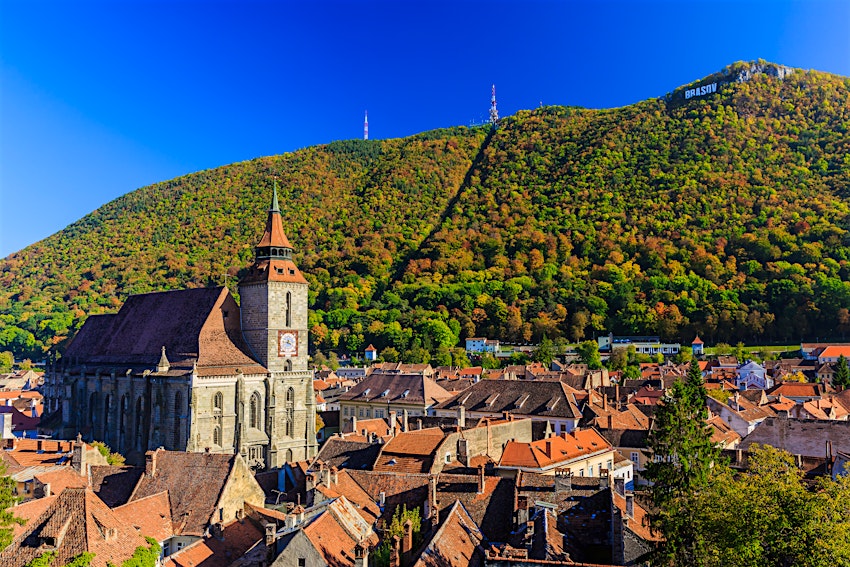
Hike the Carpathians
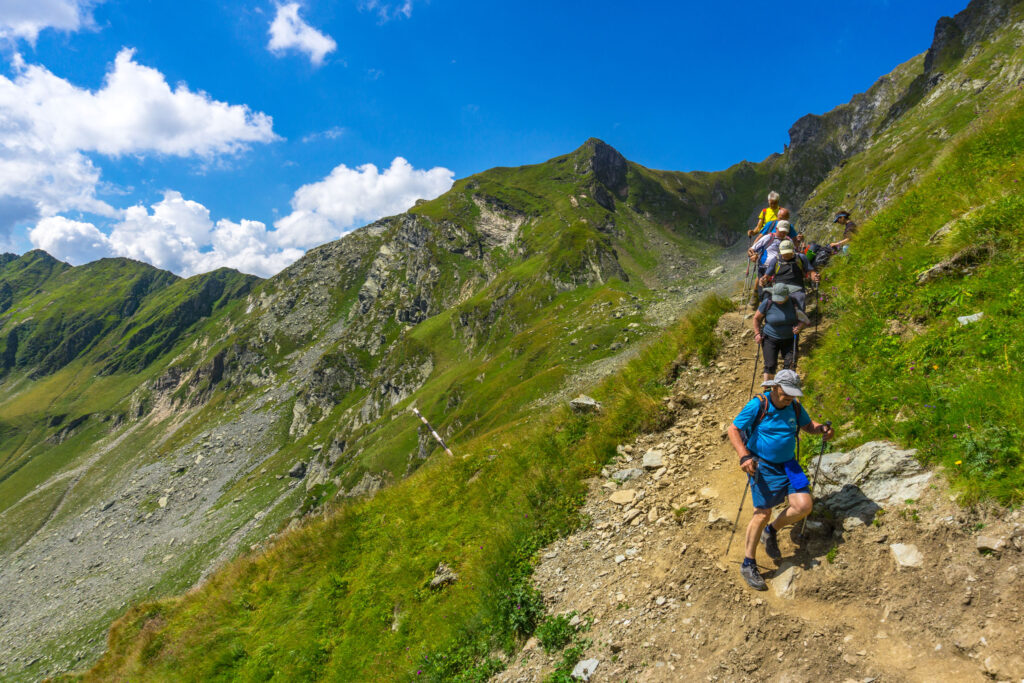
The vast Carpathian mountain chain runs down the centre of the country, separating the historic provinces of Transylvania and Moldavia, and creating a far-reaching Romanian rooftop that feels on some days as if you’re gazing out over the entire country. Trekking is the best way to experience this riveting landscape of peaks, forests and pastureland. The Retezat Mountains of southwestern Transylvania, part of the Retezat National Park, sport some 80 glacial lakes and several peaks that push upwards of 2000m. Read More…