7 Japanese Beauty Secrets You Can Start Using Right Now
-
 Loading...
 - Yui Yamamoto
- 14 Jun 2022
- 250 Views
- 0 Like
- 0 Comment
Every season, a new beauty product comes around and we’re instantly showered by advertisements about how buying it is going to make our lives that much better: you’ll look 10 times younger, your skin will be nurtured, and, Mr. Right will finally knock on your door. Cool. Miracles happen. Most of the time though, it comes down to our daily practices that keep our bodies relaxed and in shape — and no, those don’t always have to be costly.
Here are seven easy daily routines Japanese women have practiced that have proven long-lasting beauty effects.
1. Exfoliate with azuki beans
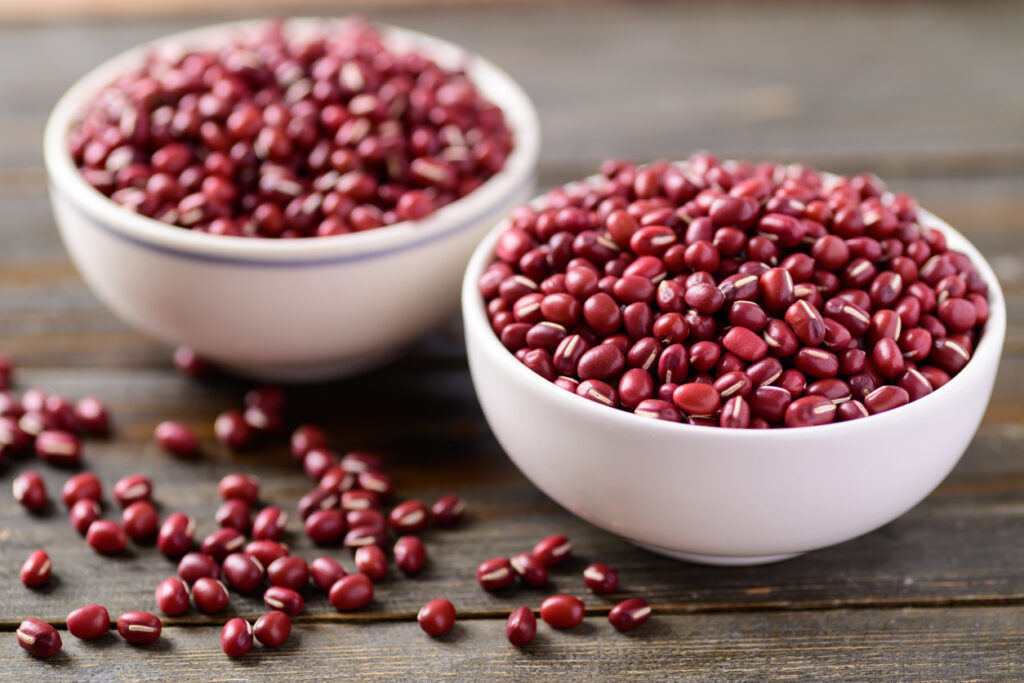
Since as early as the Nara period (710-794), Japanese women have used this red little bean not only as part of a healthy diet, but also for healthy-looking skin. Ground into a fine powder or a slightly coarse scrub, azuki beans are a wonderful natural remedy for those who are prone to acne or blackheads, or who wish to diminish fine lines. These legumes are high in antioxidants and contain a naturally occurring foaming agent known as saponin that helps to cleanse and tighten pores. It has an immediate effect when used as it helps to gently remove dirt and dead skin cells, unclog pores and brighten the skin by stimulating blood circulation.
Making your own azuki anti-aging scrub is fairly easy. Use a coffee grinder and grind ½ cup of dried azuki beans to a semi-fine powder. Transfer the mixture into a jar and store it in the fridge for a few hours. Then, take ½ teaspoon of the powder in your palm and mix with a few drops of water. This should form a rather thick paste. Spread over a wet face in a circular motion. Allow to sit for two minutes then rinse with warm water. Repeat two to three times a week and you’ll notice the difference.
2. Maintain a traditional balanced diet
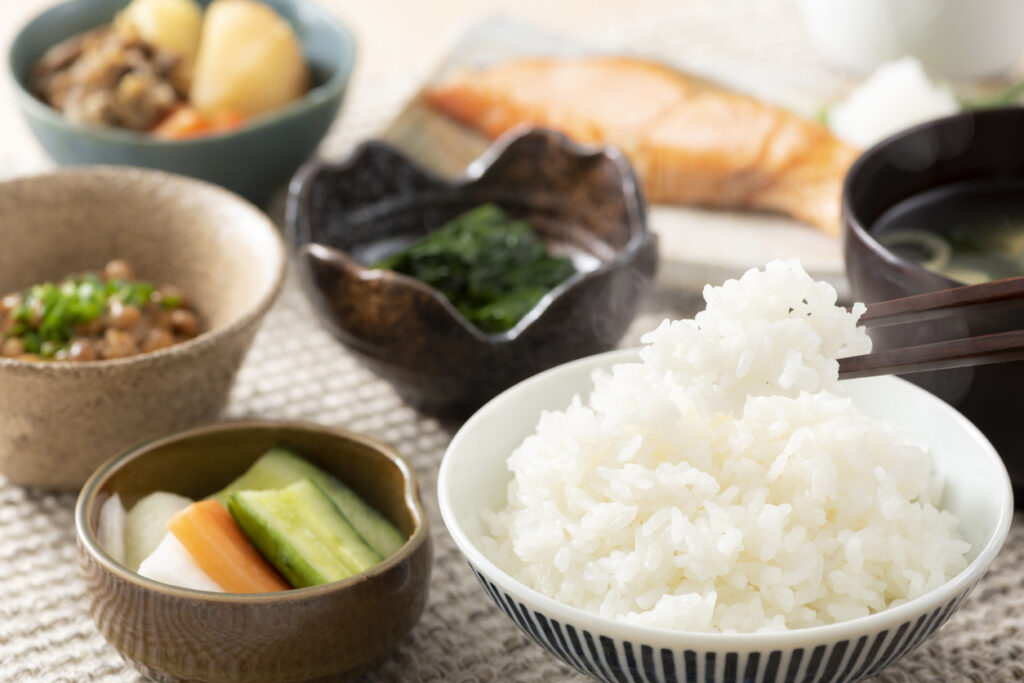
We often forget that what we put inside our bodies is directly connected to how we look on the outside. A traditional Japanese meal is usually made under the ichijyu sansai principle (one soup with three vegetable dishes plus rice and fish) to assure good balance. These spreads are rich in vitamins and high in omega-3 fatty acids that help reduce the body’s production of toxins that can cause inflammatory skin conditions and premature aging. Seaweed (wakame ) and kelp (kaiso), found in almost every Japanese dish (and supermarkets) are rich in iodine and keratin — both highly essential for healthy skin, nails and shiny resilient hair. Fish is rich in protein and lower in fat than red meat, while small portions of a variety of vegetables will supply much-needed vitamins and minerals. Japan is also home of a number of superfoods — such as konjac, kinako and natto — that are readily available and cheap in comparison to other superfoods in other countries.
3. Nourish the skin with rice bran
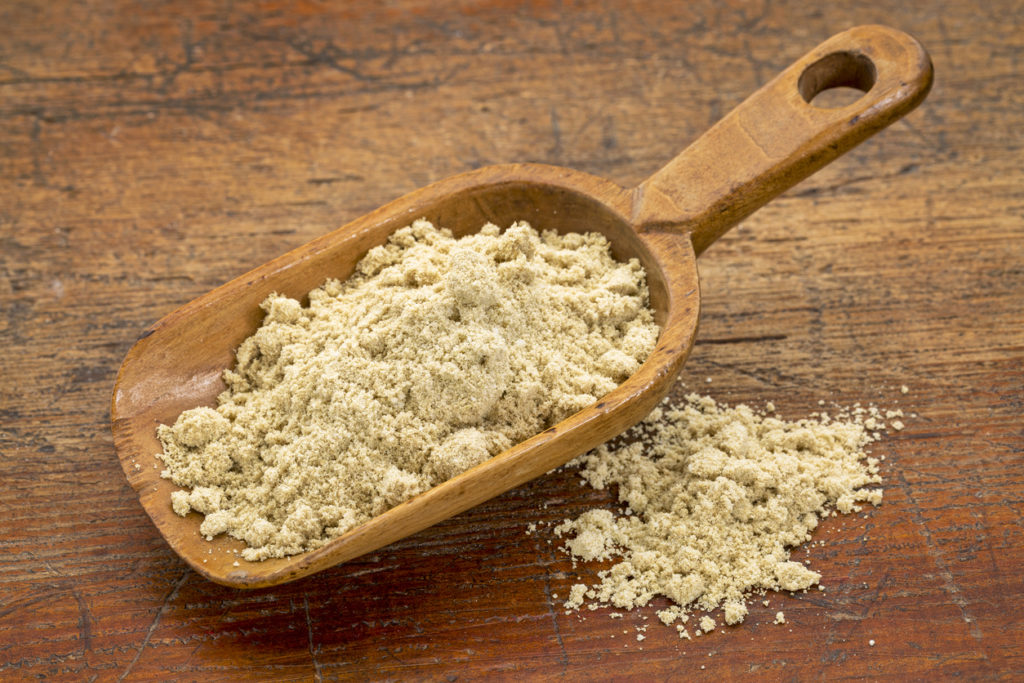
For centuries, the Japanese have known and appreciated the wonderful benefits of komenuka, or rice bran. Full of antioxidants (more than 70 in fact!) and other essential nutrients, rice bran powder has been used in scrubs, facials and even body treatments to help fight the signs of aging, resolve blemished skin and leave the skin toned, tight, and soft.
Komenuka products have been popular for decades and are widely available at drugstores, but it’s also very easy to make at home. In a small pot, boil three large tablespoons of rice for a few minutes or until the water becomes slightly cloudy. Strain the rice but be sure to keep the water as this will be part of the facial treatment. Add one tablespoon of milk to the rice and mix well. Next, mix in one tablespoon of honey. The mixture should be sticky enough to stay on your face when put on the face. Apply the rice mask on clean, dry skin and allow to dry. To remove, use the rice water that you kept aside. This not only helps moisturize the skin, but also improves its circulation. The rice water can also help brighten any dark spots or sun damage.
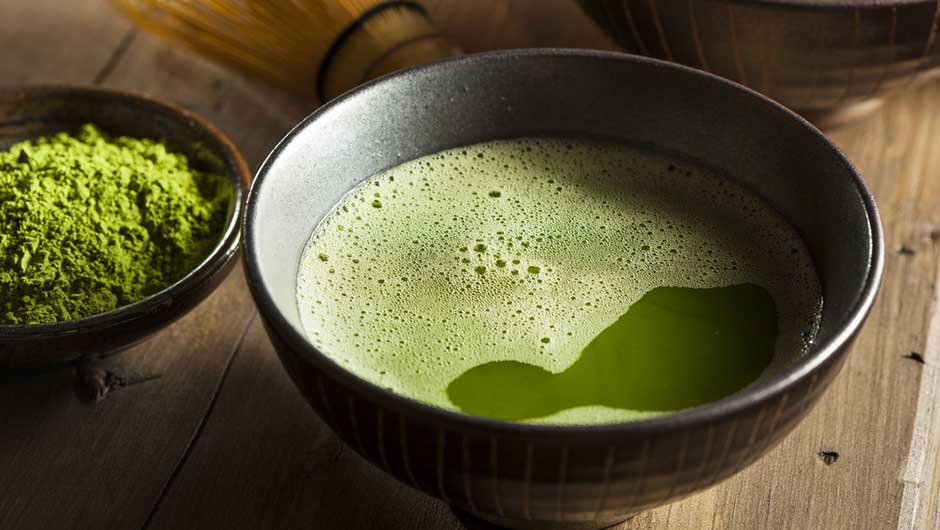
4. Use green tea for various purposes